


This guide is part of our Phoenix Home Buying Process→ [Phoenix Home Buying Process] & for information on selling visit Phoenix Home Selling Process→ [Phoenix Home Selling Process]
Written by: Renee Burke
Buying a home in the Phoenix metro area is exciting, but it comes with the quiet understanding that our desert environment asks a little more of every property — from scorching summers to monsoon-season surprises. Inspections during those first 10 days of your contract give you clear eyes on what you’re stepping into, whether it’s a cozy bungalow in Arcadia or a sprawling ranch in Queen Creek. They’re your steady assurance in a market that values transparency.
I know the apprehension many feel — wondering if skipping one might save money short-term but cost dearly later. Here in the Valley, where stucco cracks under heat expansion and HVAC units work overtime, these checks aren’t optional. They’re essential steps toward settling in with confidence.
The Core Home Inspection: Your Foundation
Every Phoenix buyer starts with a comprehensive home inspection, typically scheduled within days of contract acceptance. A licensed inspector — and we have plenty of sharp ones serving Chandler to Cave Creek — spends 2-3 hours combing through the structure, systems, and safety.
Expect focus on the roof (our clay tiles endure, but flashing wears), foundation (expansive soils shift subtly), electrical panels (updated code compliance matters), plumbing (galvanized pipes in older Glendale homes can corrode), and HVAC (dual units are common for our 110-degree peaks). They’ll flag attic ventilation issues from poor soffit flow or interior cracks hinting at settling.
The report arrives fast, often same-day, with photos and priorities. It’s not about perfection — it’s about knowing repair costs before they become yours.
Pest and Termite: Non-Negotiable in the Desert
Arizona’s wood-destroying pest inspection, or termite check, is standard and often bundled. Our dry heat drives subterranean termites underground until monsoons bring moisture; they feast on cooling wood frames in places like Mesa tract homes.
Inspectors probe for mud tubes, frass, or swarmers in garages and slabs. Clear certification protects your lender and earnest money. In North Phoenix foothill properties, they also eye carpenter ants drawn to irrigated landscapes. Certification is cheap insurance — $100-150 — against five-figure surprises.
Sewer Scope: Peering Into the Pipes
For homes 20+ years old or on rebuilt lots (common in flood-prone Ahwatukee), a sewer scope inspection is wise. A camera snakes through lines from house to street, spotting bellied pipes from clay soil shifts or root intrusions near mature palo verdes.
Phoenix’s flat terrain hides backups until they flood garages. At $200-300, it’s a small price for avoiding $10,000+ repipes. Newer Queen Creek builds might skip it, but older Gilbert resales demand it — especially pre-monsoon.
Pool and Spa: Valley Lifestyle Essential
Over 60% of Phoenix homes have pools, so a dedicated pool inspection checks plaster condition, equipment (pumps fail fast in heat), filters, heaters, and safety features like auto-covers. Leaks from evaporation exceed our norm, signaling cracks.
In Scottsdale resorts or Chandler backyards, this ensures endless summer fun without immediate service calls. Add $150-250; skip at your peril during peak repair season.
Roof and Solar Specifics
Roof inspections stand alone if complex — tile arrays need drone or ladder checks for loose granules from hail or wind. Our low-slope designs pool debris; valleys crack under thermal cycling.
Solar panels, ubiquitous from Arcadia to Eastmark, require lease verification or ownership docs plus panel condition. Inverters age out at 10-12 years here. Bundled or separate, they’re critical for energy bills in our sunbelt.
HOA and New Construction Nuances
In master-planned spots like Power Ranch or Eastmark, request HOA warranty docs for shared amenities. New builds — booming in Buckeye — call for phase inspections: pre-drywall (framing, rough plumbing/electrical), insulation, cabinets, and final.
These catch builder oversights like improper bird block sealing (scorpions love gaps) or irrigation glitches before closing.
Optional but Smart: Radon, Mold, and Air Quality
Radon tests are rare but prudent in northeast Valley mines’ shadow. Mold pops post-leak in humidified interiors. Indoor air checks for VOCs from new stucco suit allergy families.
Thermal imaging spots hidden moisture; well/septic for acreages in New River. Tailor to your Gilbert family home or Paradise Valley estate.
Why These Matter in Our Market
Phoenix inspections blend national standards with local realities: heat-warped AC coils, soil-heave foundations, pest pressures. In 2026’s balanced inventory, sellers disclose upfront, but buyers still negotiate credits via BINSR — our Buyer Inspection Notice and Seller Response.
They empower you beyond price — ensuring your home fits Valley life: trail walks without worry, pool parties uninterrupted.
Guiding You Through the Process
Approach inspections methodically: Book pros certified by ASHI or InterNACHI, attend walkthroughs, prioritize safety over cosmetics. Budget $500-1,200 total; worth every penny.
I’ve walked families through reports revealing $20,000 HVAC swaps, negotiating sellers to cover. Peace follows clarity.
If you’re thinking about making a move in Phoenix, you don’t have to figure it out alone. Reach out — let’s ensure your next home inspection brings only good news and lasting comfort.
Get the full Phoenix Market Insights → [Market Insights]


-

What Are the Top 3 Reasons Someone Would Choose This Home Later?
-

Who Is the Likely Resale Buyer Pool?
-

The Five-Year Rule: When It Helps and When It Doesn’t
-

When Refinancing Is a Strategy vs. a Fantasy
-

How to Know If You Can Hold Through a Soft Patch
-

Why Volume Changes Before Price (and Why That’s Not Always Bad)
-

What a “Normal” Market Pullback Looks Like in Phoenix
-

New Build vs. Resale: Which Has More Predictable Long-Term Costs?
-

Insurance Trends and What They Change About “Affordability”
-
Roof Types, Sun Exposure, and Long-Term Maintenance Planning
-

Pools: Lifestyle Upgrade or Long-Term Cost Variable?
-

The True Cost of Phoenix Summers: HVAC and Energy Reality
-
Building a Reserve Plan That Makes Renting Out Possible
-

When a “Good Buy” Makes a Weak Rental
-
Tenant Demand by Home Type: What Phoenix Renters Choose
-
Why Gross Rent Estimates Don’t Translate to Net Safety
-

Rent Reality in Phoenix: What Homes Actually Lease For
-
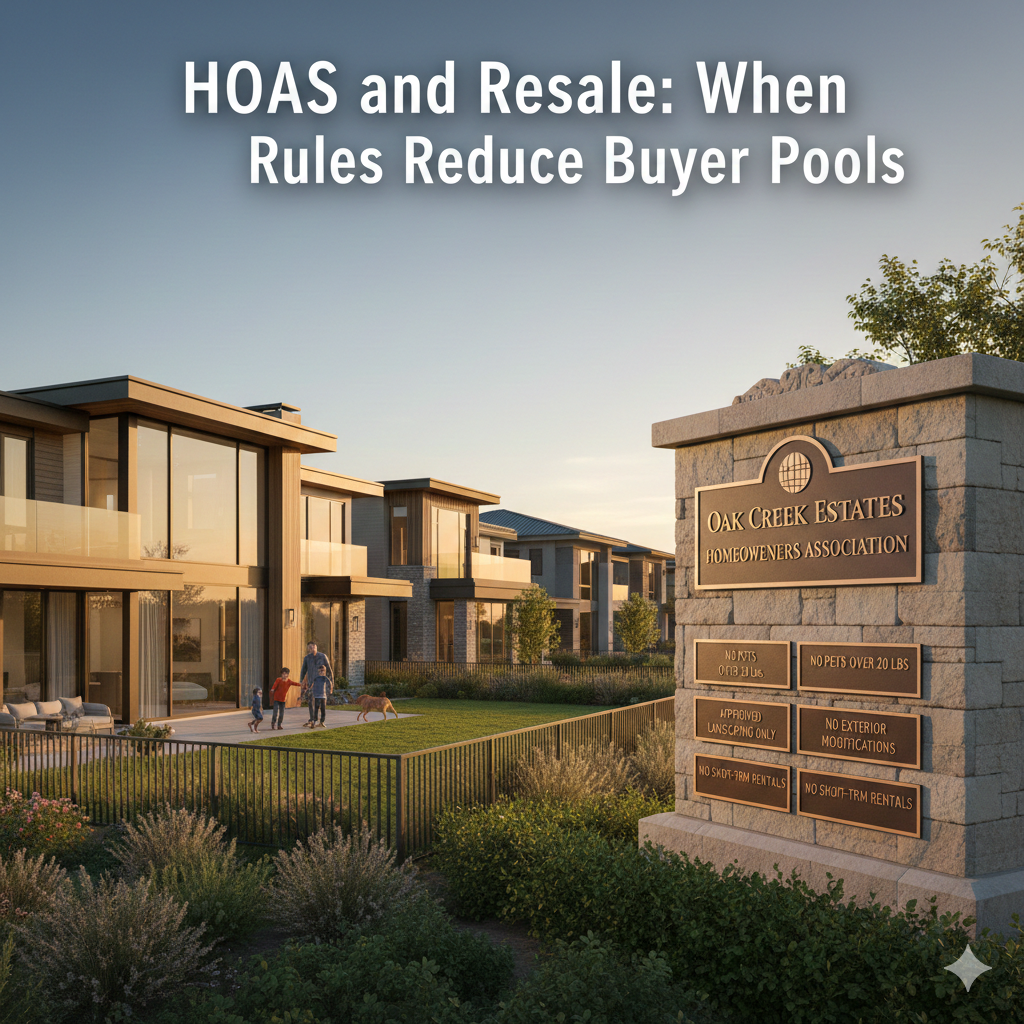
HOAs and Resale: When Rules Reduce Buyer Pools
-

What to Review in HOA Docs Before You Fall in Love
-

The “Enforcement Factor”: When HOAs Become a Daily Stressor
-
STR Rules vs. Long-Term Rental Rules in Phoenix Communities
-

HOA Rental Caps: What They Mean for Long-Term Options
-

What Days on Market Actually Signals at Different Price Levels
-

How “Over-Personalized” Homes Lose Liquidity
-

The Price Tier Where Buyer Depth Thins Out (and Why It Matters)