



This guide is part of our Phoenix Investors Guide → [Phoenix Investors Guide]
Written by: Renee Burke
In the Phoenix metro, our architecture doesn’t just shelter us — it cradles the desert’s rhythm. Modern living here means homes that breathe with the landscape, harnessing sunlight while shielding from its intensity, flowing seamlessly from shaded patios to mountain views.
I’ve toured countless properties from Arcadia ranches to Paradise Valley estates, and the styles that endure are those whispering harmony with our Sonoran surroundings. They ease everyday life, boost comfort, and hold appeal across market cycles. Let’s explore the ones that fit us best.
Modern Desert Contemporary
This is Phoenix’s signature evolution — clean lines softened by natural textures, expansive glass tempered by deep overhangs, and earth-toned stucco blending into saguaro backdrops. Think Wendell Burnette-inspired designs in North Scottsdale, where rammed earth walls and clerestory windows flood interiors with filtered light.
These homes prioritize passive cooling: thick masonry holds nighttime chill, sliding walls open to courtyards for monsoon breezes, solar arrays hum quietly. Interiors stay minimalist — matte quartz, warm walnut accents — creating calm oases amid 110-degree days.
Buyers love the effortless indoor-outdoor flow: infinity pools merging with horizons, misters on ramadas for year-round al fresco dining. In strong markets, they sell fastest, often sight unseen by relocators seeking that “desert modern” vibe.
Mid-Century Modern Revival
Phoenix’s mid-century roots shine in neighborhoods like Marlen Grove or parts of Arcadia, where post-war flat roofs, bold geometric forms, and floor-to-ceiling windows capture golden-hour glow without overheating. Architects like Ralph Haver set the template; today’s updates add low-E glazing and smart shades.
Low-slung profiles hug the earth, with exposed beams and terrazzo floors grounding open plans. Kitchens pivot to great rooms overlooking private yards — perfect for families blending work-from-home with pool dips.
The appeal lies in authenticity: restored originals in North Central fetch premiums for their soulful patina, while sensitive remodels balance nostalgia with efficiency. They age gracefully here, resisting the dated feel that plagues busier styles elsewhere.
Southwestern Contemporary
A warmer cousin to stark modernism, this style weaves Pueblo Revival warmth into modern frames — think cantera stone accents, viga ceilings, and saltillo tiles under shaded portals. Paradise Valley estates often nail this, with courtyards framing Camelback views and hand-troweled plaster walls muffling desert winds.
Materials celebrate place: local limestone, reclaimed mesquite beams, xeriscaped entries with agave sentinels. Fireplaces become focal points for winter chills, while evaporative coolers pair with mini-splits for summer ease.
It reassures buyers craving rooted luxury — not trendy, but timeless. Families in Ahwatukee or custom pockets of Fountain Hills gravitate here for the nurturing feel, like a home that’s always been part of the Valley.
Santa Barbara/Tuscan Desert Adaptations
Adapted thoughtfully, these Mediterranean influences work wonders with stucco arches, clay barrel tiles, and wrought-iron details softened for our dry heat. DC Ranch or Silverleaf homes showcase this: tiled roofs with ample eaves, courtyards with fountains recycling gray water.
Romantic yet practical — deep-set windows cut glare, stone floors stay cool underfoot, casitas offer guest privacy. Palettes pull from our soil: ochre, sage, warm taupe.
The misconception? They’re “too formal.” Done right, they invite barefoot mornings on patios, blending old-world charm with new-world efficiency. Luxury buyers perceive them as heirlooms, holding value through relocations.
Organic Desert Modernism
Pioneered by firms like The Ranch Mine, this style sculpts homes around the site — bridges over washes in North Scottsdale, stacked stone walls echoing boulders, living roofs sprouting native grasses. It’s architecture as landscape extension.
Features like reflection pools, ramadas with oxidized metal, and pivot doors maximize views while minimizing footprint. Sustainability feels innate: rainwater harvest, native plantings, cross-ventilation.
For wellness-focused clients in Troon North or Desert Mountain, it’s sanctuary living — private, textured, alive. These uniques command premiums even in balanced markets, drawing buyers who prioritize experience over square footage.
Key Elements Across Desert-Aligned Styles
Certain threads unite them: thermal mass materials (concrete, adobe block) for heat regulation; shaded outdoor “rooms” expanding livable space; neutral exteriors camouflaging dust; abundant natural light via strategic glazing.
Landscaping integrates — palo verde shade trees, decomposed granite paths, fire-resistant agaves framing entries. Smart systems layer on: app-controlled misters, zoned HVAC, solar battery backups.
These choices address buyer fears head-on: soaring utility bills, unused yards, fading facades. They deliver lifestyle first, resale second — though both thrive.
Neighborhood Showcases
Arcadia: Mid-century ranches with modern twists, lush yet water-wise lots.
Paradise Valley: Desert contemporary estates perched for privacy and panoramas.
North Central: Haver updates blending history with clerestory flow.
Scottsdale’s Foothills: Organic forms hugging mountain bases.
Gilbert’s Agritopia: Southwestern farms evolving into contemporary enclaves.
Each marries style to microclimate — cooler nights in higher elevations, breezier East Valley spots.
Performance in Today’s Market
These aligned styles absorb quickest: 20-40 fewer days on market versus mismatched tract upgrades. Relocators from California or Texas seek them for instant belonging; locals upgrade into them for enduring joy.
Even as inventory rises, they negotiate from strength — fewer concessions, higher net proceeds. Updates preserving bones (e.g., beam salvage) outperform teardowns.
Common Misconceptions and Guidance
Buyers worry “desert modern” means stark or sparse. I show them warmth in textured plasters, wood grains, fire-lit evenings — it’s serene, not sterile. Sellers fear over-customizing; targeted alignments recoup via faster liquidity.
Trends fade; desert compatibility endures. Think long-view: how will sunset hit that west-facing great room in 10 years?
Blending Personal Style with Desert Harmony
No one style rules — mix mid-century clean with Southwestern soul for your signature. Consult locally: our sun angle, wind patterns, and buyer tastes differ from coastal guides.
The goal? A home that feels like extension of you and the Valley — easing summers, elevating sunsets.
A Warm Invitation
If you’re thinking about making a move in Phoenix, you don’t have to figure it out alone. I’ve guided clients to architectural gems that match their lives and the desert’s pulse, from modern marvels to timeless revivals. Whether touring styles or refining your vision, I’m here as your local compass.
Reach out anytime — let’s find the design that welcomes you home for years to come.
Get the full Phoenix Market Insights → [Market Insights]


-
Cost of Living in Rhode Island: Housing, Taxes, Utilities, and Everyday Expenses
-

What If My Commute Becomes Worse Than Expected?
-
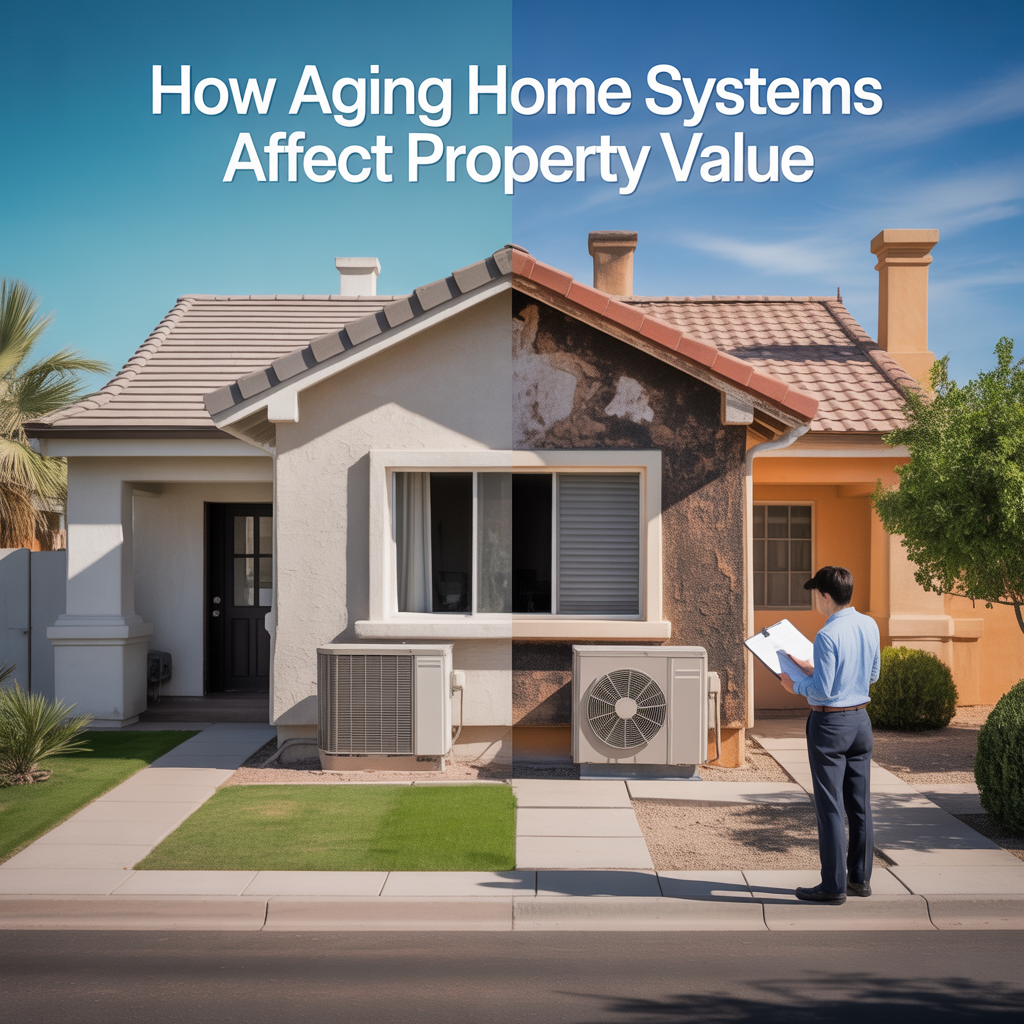
How Aging Home Systems Affect Property Value