


This guide is part of our Phoenix Investors Guide → [Phoenix Investors Guide]
Written by: Renee Burke
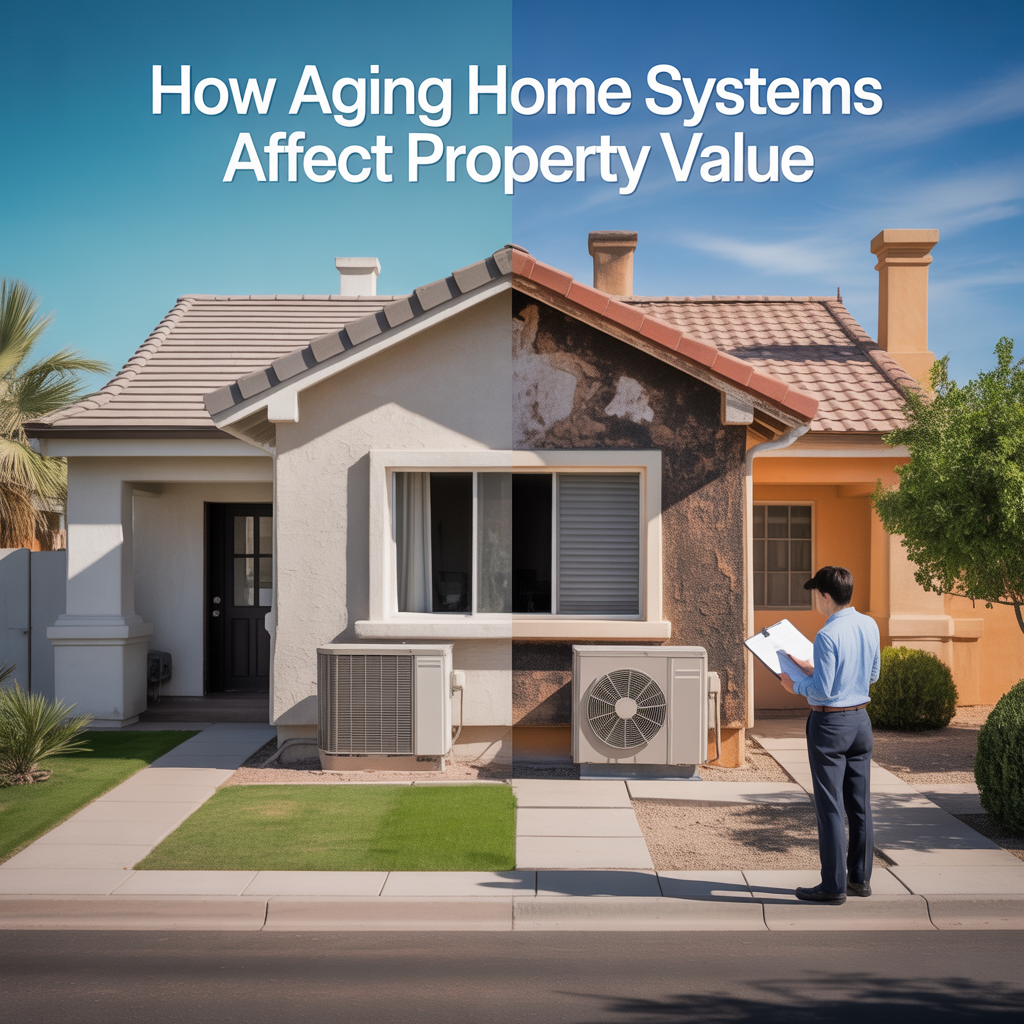
Even when Phoenix listings are flying off the MLS, certain homes sit. Strong markets lift most boats, but outdated design acts like an anchor — quietly slowing showings, stretching days on market, and thinning buyer pools.
I’ve walked families through enough Valley properties to know this firsthand. What feels cozy and familiar to you might signal “project” to relocators from California or locals eyeing Scottsdale moderns. Let’s explore why this happens here, even when demand hums.
Defining “Outdated” in Desert Context
Outdated isn’t just dated wallpaper or brass fixtures — it’s anything clashing with how we live under Arizona sun. Think popcorn ceilings blocking recessed lights, tiny windows starving rooms of golden-hour glow, or dark wood cabinetry swallowing space in open-concept great rooms.
Phoenix buyers crave flow: indoor-outdoor patios, clean lines echoing Camelback contours, neutral palettes reflecting saguaro shadows. When designs fight that — heavy valances, floral carpets, compartmentalized layouts — even hot markets pause. Buyers envision reno costs, not move-in joy.
It’s less about age than harmony with our light-flooded, casual lifestyle. A 1970s Arcadia ranch can shine if restored thoughtfully; a 2010s tract in Queen Creek lags if it skipped desert-forward updates.
First Impressions and Showing Traffic
Curb appeal sets the tone in 10 seconds. Dated exteriors — faded pink stucco, overgrown oleanders, mismatched garage doors — prompt drive-bys to keep scrolling Zillow. In strong markets like our spring surges, fresh comps abound; why risk the unknown?
Interiors compound it. Walk into a Gilbert listing with busy tile counters or low ceilings, and mental math starts: $50K kitchen? New HVAC for that inefficient layout? Showings drop 30-50% versus updated peers, even when priced “right.”
Buyers whisper concerns — “feels like my parents’ house” — filtering you from their shortlist. Liquidity slows as traffic thins.
Buyer Psychology: Risk Over Reward
Strong markets reward turnkey. Relocators from cooler climates prioritize AC-ready homes with evaporative coolers humming, pools sparkling, no deferred maintenance lurking. Dated designs scream uncertainty: Are those tiles hiding cracks? Does that popcorn conceal asbestos?
Emotional disconnect hits harder here. Phoenix living means sunset patios, mountain views framing breakfast nooks. Cluttered ’90s builder grade feels confining, not calming. Buyers self-select out, leaving a narrower pool of flippers or visionaries offering 10-20% below comps.
Even cash-rich investors hesitate — why tie up capital on cosmetic overhauls when clean palettes sell faster?
Impact on Days on Market
In peak seasons, updated homes pend under 20 days Valley-wide. Dated ones stretch to 60-90, even with rate drops boosting traffic. ARMLS data mirrors this: North Central flips with quartz islands and matte black fixtures close weekly; originals with oak cabinets linger.
Submarkets amplify it. Paradise Valley buyers demand resort-caliber polish; dated estates sit despite prestige. Chandler families bypass popcorn-ceiling specials for new builds minutes away. Liquidity — that smooth seller’s market flow — bottlenecks here.
Pricing Pressure and Adjustment Patterns
Dated homes invite scrutiny. Comps dazzle nearby, so yours asks for a premium on potential. Buyers counter low, citing “reno allowance.” Sellers resist, listings age, forcing eventual cuts that signal weakness to the market.
In strong cycles, this gap widens: updated neighbors sell at full ask, pressuring you toward concessions. A Fountain Hills mid-century with preserved terrazzo and beams holds firm; one gutted of character tanks faster. Liquidity erodes through prolonged negotiations or stale status.
Segment-Specific Vulnerabilities
Entry-level under $600K hurts most — abundant supply means buyers shop perfection. Mid-range $800K-$1.5M in Ahwatukee or Tempe sees families balk at layout tweaks for today’s remote-work flex spaces.
Luxury over $2M fares better if architectural bones shine — think preserved hacienda arches or mid-century wood — but dated interiors still slow elite buyers seeking instant oasis vibes. Golf communities like DC Ranch penalize non-neutral exteriors harshly.
Older flips preserving Southwest soul (wrought iron, saltillo) outperform cookie-cutter teardowns.
Hidden Costs of Deferred Updates
Beyond speed, outdated design inflates carrying costs: extra mortgage payments, utilities on inefficient layouts, staging masking flaws. Appraisal gaps emerge — lenders balk at “dated” comp adjustments, derailing financed offers.
Sellers fear over-improving, but targeted refreshes recoup: matte finishes over glossy, wider sliders to patios, low-VOC paints in desert tans. These boost perceived liquidity without full rehabs.
When “Character” Becomes Liability
Phoenix charms in authenticity — original hardwoods in Encanto-Palmcroft, exposed beams in Pueblo Revival. But “dated” crosses into tired: builder beige overload, brass lighting, carpeted concrete slabs.
Buyers touring a strong market crave cues of loving care: fresh grout, smart thermostats, no musty smells. Without them, even prime locations lose edge to shiny inventory blocks away.
Strategies to Restore Liquidity
Pre-list audit: declutter ruthlessly, neutralize bold choices, highlight bones (beams, tiles). Budget $10K-20K for high-impact: kitchen hardware swap, LED recessed cans, exterior power-wash plus desert plants.
Virtual staging bridges gaps for relocators. Price to “dated comps” upfront, avoiding cut stigma. Off-market whispers to design-forward buyers bypass public scrutiny.
In strong markets, these moves reclaim speed — turning browsers into bidders.
Long-Term Mindset for Sellers
Liquidity isn’t just speed; it’s optimal terms without concessions. Outdated design tests even robust demand, reminding us Phoenix buyers prioritize lifestyle fit over square footage.
Aligning updates with desert ease unlocks that flow, regardless of market heat.
A Warm Invitation
If you’re thinking about making a move in Phoenix, you don’t have to figure it out alone. I’ve guided sellers through refresh decisions that revived stalled listings and buyers past dated distractions to true gems. Whether assessing your home’s appeal or planning updates, I’m here as your thoughtful partner.
Reach out anytime — let’s ensure your property moves as smoothly as the Valley’s strongest markets intend.
Get the full Phoenix Market Insights → [Market Insights]


-
Cost of Living in Rhode Island: Housing, Taxes, Utilities, and Everyday Expenses
-

What If My Commute Becomes Worse Than Expected?
-
How Aging Home Systems Affect Property Value