



National Politics and Housing → [National Politics and Housing] & For more info on Local Politics and Housing→ [Local Politics and Housing]
Written by: Renee Burke
In the Phoenix metro, where high-net-worth buyers from California settle into custom estates in Paradise Valley and investors eye cash-flowing quadplexes in South Phoenix, tax policy shifts can feel like a quiet shift in the desert wind — subtle at first, but reshaping the landscape of every decision. Families and savvy owners alike wonder if proposed changes will erode returns on their Arrowhead Ranch rental or boost after-tax gains on a Fountain Hills flip.
You know I’m here to guide you through the real impacts, not the headlines. Today, let’s unpack the key tax policy proposals bubbling up in early 2026 — from federal extensions of opportunity zones to Arizona’s state-level tweaks on property assessments and incentives for workforce housing. These aren’t abstract; they’ll influence cap rates in Goodyear, resale strategies in Gilbert, and legacy planning for Scottsdale’s elite.
Federal Tailwinds for Real Estate Investors
At the federal level, optimism reigns for investors after President Trump’s reelection. The Tax Cuts and Jobs Act provisions — bonus depreciation at 40% for 2026, potentially climbing back toward 100% — offer immediate write-offs for Valley builders tackling multifamily rehabs in Maryvale or commercial conversions along Central Avenue. High-net-worth buyers love this: cost segregation studies on a $2M Peoria portfolio can shelter six figures in taxable income year one.
Opportunity Zones, extended through 2028 in draft reconciliation bills, remain a powerhouse. Phoenix’s designations — think the booming warehouse districts near Sky Harbor and TSMC’s North Phoenix campus — draw capital for qualified investments yielding 10-15% tax-free growth after 10 years. For HNW individuals relocating to Arcadia, deferring gains from coastal sales into these zones isn’t just smart; it’s transformative. Proposals to index capital gains brackets for inflation would further sweeten flips in Queen Creek’s master-planned enclaves.
Arizona’s State Tax Landscape
Closer to home, Arizona’s 2026 legislative session prioritizes housing supply without punishing ownership. Governor Hobbs’ State of the State pushed affordability via public land sales for teacher housing — bills like SB 1080 and HB 2714 streamline state trust land for below-market developments, indirectly stabilizing property taxes by boosting inventory. No broad hikes here; primary rates hold steady at $1.2658 per $100 assessed value in Phoenix, despite 1.22% revenue bumps from growth.
Investor-friendly moves abound. HB 2722 mandates assured water supply certificates for build-to-rent subdivisions, leveling the field so for-sale tracts in Buckeye don’t shoulder disproportionate burdens. Construction defect reforms in SB 1450 shield condo developers from lawsuit abuse, potentially unlocking 1,000+ entry-level units in Mesa without spiking HOA assessments. High-net-worth buyers benefit too: no changes to Arizona’s flat 2.5% income tax, and proposals for municipal tax increment financing (HB 2988) fund infrastructure without blanket levies.
Pain Points and Protections
Let’s address the concerns head-on. Fears of property tax surges from reassessments? Mitigated by Arizona’s 5% annual cap on increases for owner-occupied primaries, even as commercial strips in Tempe see market-driven jumps. Vacation rental owners in Sedona-adjacent Scottsdale face scrutiny — SB 1076 allows small towns to cap short-term rental density — but Phoenix proper stays hands-off, preserving revenue streams.
For HNW portfolios, FinCEN’s residential real estate reporting lingers, requiring non-financed buys over $300K to disclose beneficial owners. It’s compliance theater for most Valley deals, but pairing with 1031 exchanges into like-kind East Valley rentals dodges it cleanly. No capital gains exclusion cuts proposed; married couples still shelter $500K on qualified Fountain Hills sales.
Neighborhood Winners for Investors
Tax policies illuminate hotspots. West Valley investors thrive under opportunity zone extensions — Verrado’s job corridor yields 6-8% levered returns post-depreciation. High-net-worth buyers cluster in North Scottsdale, where stable taxes and Prop 13-style ag exemptions on horse properties preserve wealth. Gilbert’s family enclaves benefit from school district housing bills, softening secondary taxes while appreciation hums at 5% annually.
South Phoenix revitalization? Tax credits for historic rehabs stack with OZ benefits, turning $400K quadplexes into $600K assets. El Mirage spec homes dodge defect litigation risks, appealing to cash buyers eyeing 1031 ladders.
Strategies That High-Net-Worth Buyers Love
For investors: Maximize bonus depreciation on cost-segregated assets; layer QOZ for deferral. Time sales pre-2027 if AMT bites. HNW families: Leverage intrastate 1031s from California into Arizona primaries, claiming homestead exemptions that cap taxes at 1% of limited valuation. Philanthropic CRTs fund legacy estates in Cave Creek while deducting appreciated stock.
Returns hold: Valley cap rates steady at 5.5-7%, after-tax yields juiced by federal permanence. Lifestyle bonus: Lower effective taxes mean more poolside evenings in Ahwatukee.
Long-Term Planning Amid Proposals
As reconciliation shapes up by summer, expect permanence for expensing and lower corporate rates — bullish for REITs holding Chandler industrial. Arizona sidesteps rent control pitfalls, focusing on supply-side wins that protect investor upside. Water policy ties in too: stable Colorado River allocations underpin ag land values in Pinal County feeder markets.
Phoenix remains a tax haven relative to coastal peers — 0.62% effective property rates versus California’s 0.76%. Policies reward stewardship, not speculation.
A Personal Note
If you’re thinking about making a move in Phoenix — optimizing your portfolio for tax efficiencies, structuring a high-net-worth relocation, or timing investments amid these proposals — you don’t have to figure it out alone.
I’ve helped dozens navigate these shifts, from OZ fundings in Surprise to homestead setups in Paradise Valley, always with your after-tax bottom line in focus. My role isn’t to chase deals; it’s to be your thoughtful partner in building wealth that lasts.
Reach out with questions on 2026 impacts, structuring strategies, or your specific scenario. Together, we’ll craft a plan that’s clear, confident, and customized for the Valley life you love.
Because in Phoenix real estate, the right tax moves aren’t just savings — they’re security for generations.
Get the full Phoenix Market Insights → [Market Insights]


-
Cost of Living in Rhode Island: Housing, Taxes, Utilities, and Everyday Expenses
-

What If My Commute Becomes Worse Than Expected?
-
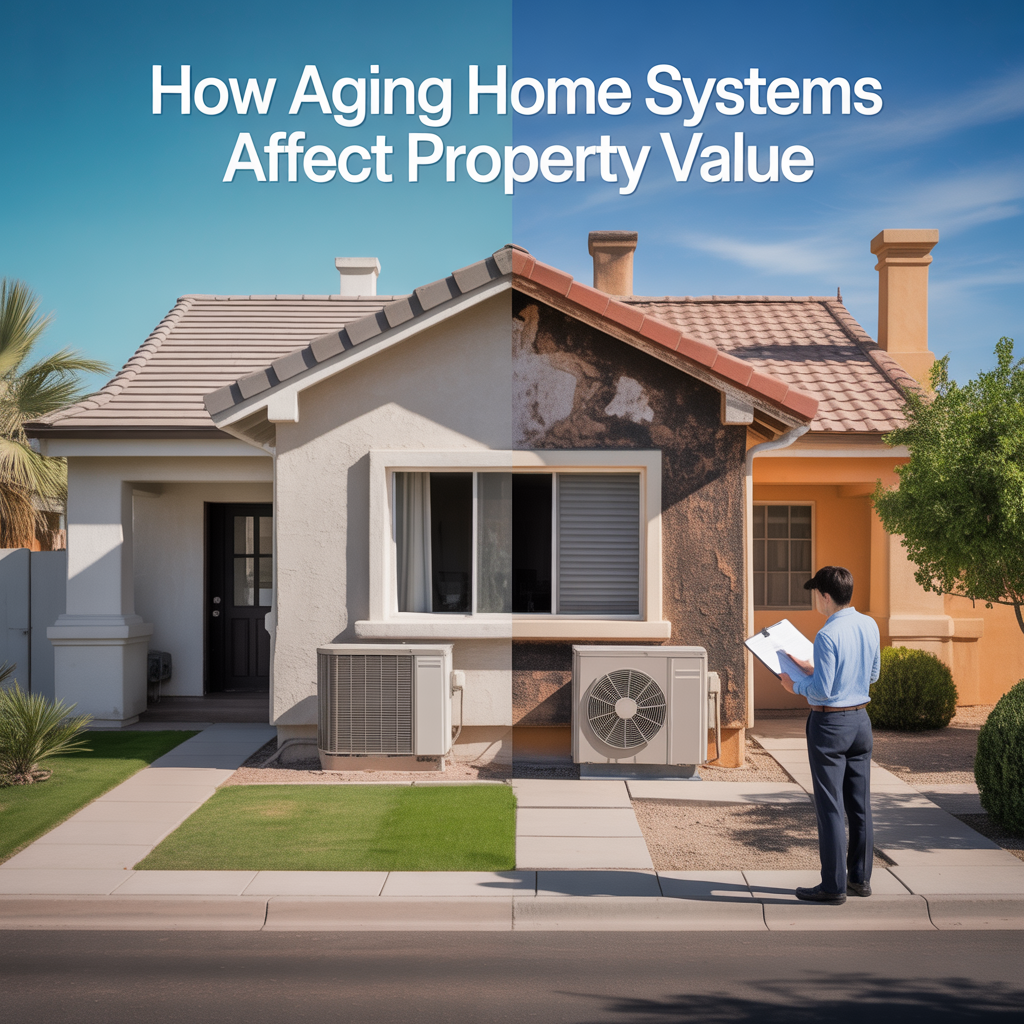
How Aging Home Systems Affect Property Value