



Tempe Lifestyle Guide → [Tempe Lifestyle Guide] & Tempe Real Estate Guide→ [Tempe Real Estate Guide]
Written by: Renee Burke
Tempe’s dining districts — from the lively patios of Mill Avenue to the casual haunts along University Drive — come alive with friends sharing plates and laughter, yet the pathways to get there are smoother than many newcomers imagine. With thoughtful parking infrastructure, reliable rideshares, and event-day strategies honed over years, you can focus on the meal rather than the logistics. It’s one of those practical layers of Valley life that makes dining out here feel effortless once you know the rhythm.
I’ve walked clients through these districts countless times, easing worries about circling blocks or missing reservations. Downtown Tempe alone boasts over 20,000 public parking spaces across garages, lots, and streets, many gateless and app-friendly. Pair that with ubiquitous rideshares and light rail, and even peak Devils game nights or Ironman weekends flow without frustration.
Downtown Tempe’s Parking Backbone
Mill Avenue and its surrounding dining hubs — home to Culinary Dropout, Postino, and Four Peaks — benefit from a robust network of garages and surface lots. The Beam Garage on Farmer Avenue, just steps from many patios, offers convenient entry with flat weekend rates around $20, payable by card at kiosks or apps like ParkMobile. Nearby, the Emerson Garage at 101 W 5th Street and Brickyard Garages on 6th and 7th provide similar ease, often with real-time availability via the Tempe TRiP app — a local favorite for spotting open spots before you arrive.
On-street metered parking adds flexibility, with over 550 spaces at $2/hour and free Sundays. Spots like the City Hall Garage or 201 S Ash even offer free or monthly options for regulars. For lakeside dining at Hayden Ferry or Glenrosa, the Hayden Ferry Lakeside Garage ensures covered protection from our summer sun, blending convenience with shade.
What reassures clients most is the scale: you’re rarely more than a 5-minute walk from your table. Newer condos like The Hayden include resident garages that spill little traffic into dining zones, keeping streets calm.
Rideshare Reliability in Dining Zones
Uber and Lyft thrive here, with dedicated pick-up zones outside hotspots like Shady Park or Society Tempe. Wait times peak at 5-10 minutes on Friday nights but drop to 2-3 midweek — far better than sprawling suburbs like Ahwatukee. Drop-offs cluster near Mill and Ash, minimizing walks through crowds, and many restaurants validate rideshare fares or offer priority queues.
The Streetcar loop connects dining districts seamlessly, free after 7 p.m. on weekends, letting you hop from Postino South to downtown without a designated driver. Light Rail from Mesa or Phoenix pulls right into the action at Centerpoint or University stops, ideal for groups sharing wine flights. Scooters and bikes via Spin or Lime dot every corner, turning a post-dinner stroll into easy transit.
For families, this mix addresses a common fear: no one wants to wrangle kids through packed lots. Rideshares with car seats or the Streetcar’s family cars make it gentle, letting evenings unfold naturally.
Event Traffic: Strategies That Work
Tempe shines during big nights — ASU games at Mountain America Stadium, concerts at Gammage, or festivals at Tempe Beach Park — when dining districts swell with pre- and post-event crowds. Traffic on Rural and Mill eases via timed signals and detour apps, but smart plays win: park at Tempe Town Center Lot ($20/day) and Streetcar in, or reserve Union Tempe Garage via Air Garage for events.
Devils games send waves toward Culinary Dropout or Ghost Ranch, but garages like Novus or Packard absorb overflow with pre-paid options. Rideshare surges are predictable — book 30 minutes early from quieter South Tempe spots like Warner Road. Tempe TRiP maps restrictions in real-time, alerting to road closures near the lake during Ironman.
I guide clients to view this as opportunity: event nights boost local spots without gridlock. Quieter residential streets like Maple Ash or Rio Salado buffer homes from backups, and HOAs often shuttle residents past the fray. Even in 2026’s busier market, infrastructure keeps pace — new EV chargers in garages and widened bike lanes smooth the flow.
How It Shapes Dining District Living
Living near these districts means logistics enhance lifestyle. Condo owners at The Mirabella or lofts on Sixth Street park once daily, then walk or rideshare everywhere — slashing gas and stress. Townhomes in Tally Ho offer garages plus proximity, ideal for families who dine out weekly without hassle.
Market-wise, it’s a value driver: properties within dining zones command 10-15% premiums for walkability, with faster sales to remote workers valuing Streetcar access. Investors note steady rental demand from ASU affiliates who prioritize rideshare hubs over car dependency.
Concerns about “event chaos” fade with experience. Summer’s lighter crowds and shoulder-season festivals (like the Tempe Festival of the Arts) balance peaks, while police presence ensures safe circulation. It’s practical Phoenix living: vibrant without the overwhelm.
Everyday Ease Near the Action
Imagine reserving a Beam Garage spot via app, Streetcaring to Postino for bruschetta, then Lyfting home to your quiet lakeside villa — all under $30 total. Or parking once at City Hall for dinner, music, and dessert. This connectivity turns dining districts into neighborhood assets, fostering routines that feel luxurious yet simple.
In our expansive Valley, Tempe’s system stands out — thoughtful, tech-savvy, and human-scale.
A Warm Invitation
Tempe’s parking, rideshare, and traffic flow remind us how seamlessly dining districts fit into real life here — convenient, safe, and always evolving to serve residents first.
If this ease has you picturing patios and effortless evenings from your own home, I’d love to map it out for you. From garage tours to event-day tips, I know these streets like my own.
If you’re thinking about making a move in Phoenix, you don’t have to figure it out alone.
Get the full Phoenix Market Insights → [Market Insights]


-
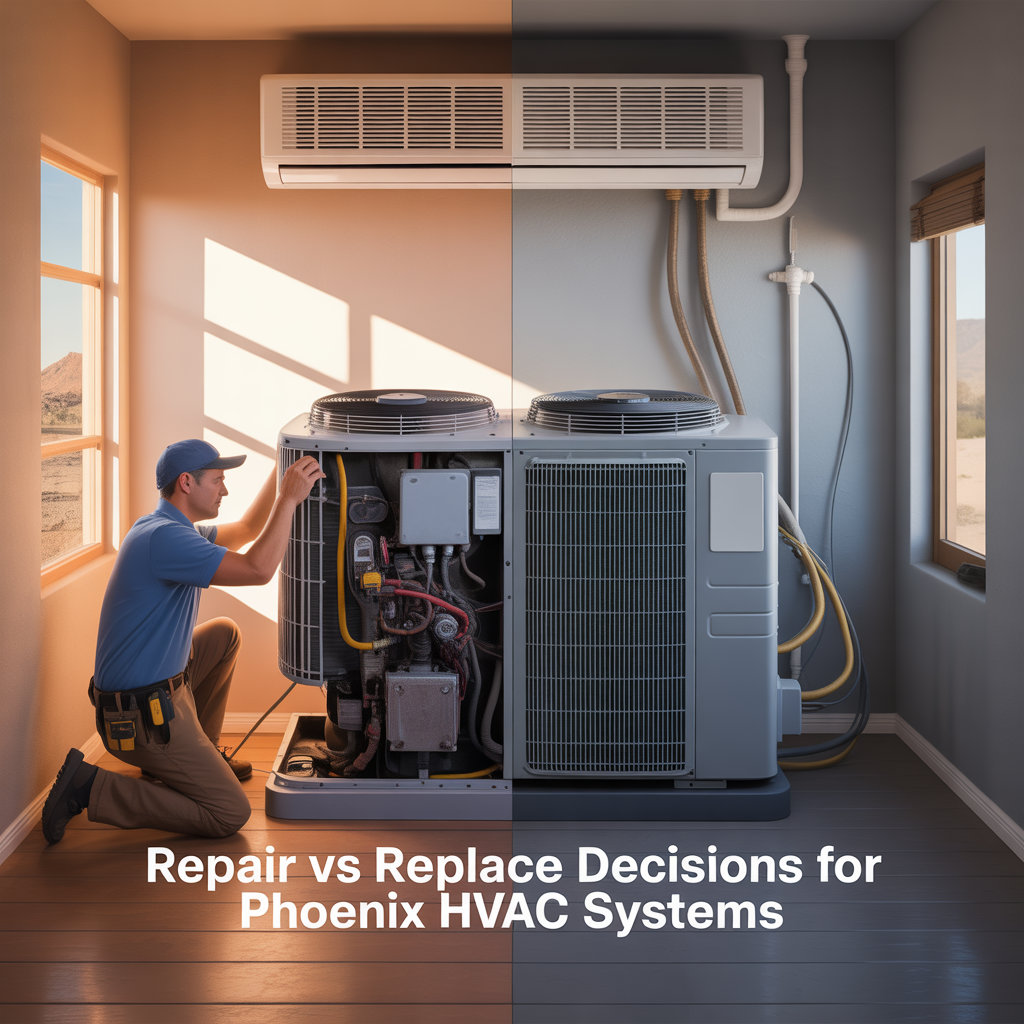
Repair vs Replace Decisions for Phoenix HVAC Systems
-
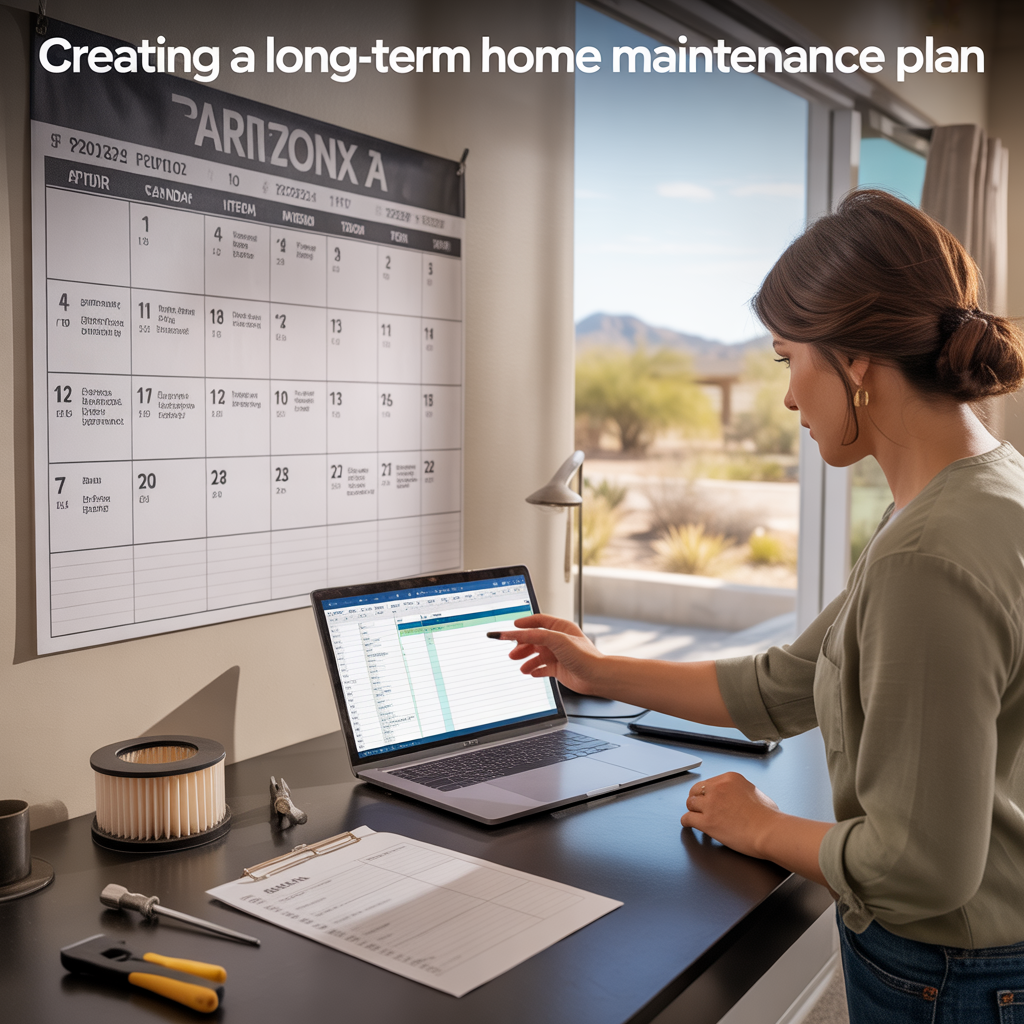
Creating a Long-Term Home Maintenance Plan
-

How Often Phoenix Homes Should Be Professionally Inspected