


Tempe is where the Valley feels most dynamic, most connected, and most integrated — shaped by ASU, the lake, light rail corridors, and a true live-work-play core.
The Tempe Lifestyle Hub is a comprehensive, real-world resource designed to help residents, buyers, and long-term planners understand how life in Tempe actually works — across neighborhoods, daily routines, amenities, culture, and movement patterns.
This hub focuses on how people live, not how they relocate.
Tempe is often described in broad strokes — “ASU,” “Mill Avenue,” “young,” “central,” “urban” — but those labels hide the more useful truth: Tempe is a micro-market city. The lived experience changes quickly across just a few miles, depending on whether you’re near campus and Tempe Town Lake, in established South Tempe neighborhoods, along the Apache Boulevard light rail corridor, or positioned near major freeway and employment nodes. Two households in Tempe can share a zip code and still live completely different daily lives.
This hub exists to replace assumptions with clarity.
Lifestyle Alignment – Daily Functionality – Long-Term Fit
Rather than broad city overviews, promotional narratives, or generic rankings, this hub examines the lived experience of Tempe — how neighborhoods function Monday through Friday, how weekends are actually spent, how heat and seasonality affect routines, and how lifestyle choices intersect with housing, work, school schedules, recreation, and social life.
This is not a surface-level look at Tempe.
It is a functional, on-the-ground view of how the city truly operates.
Last updated: February 2026
How Tempe Lifestyle Actually Varies by Area
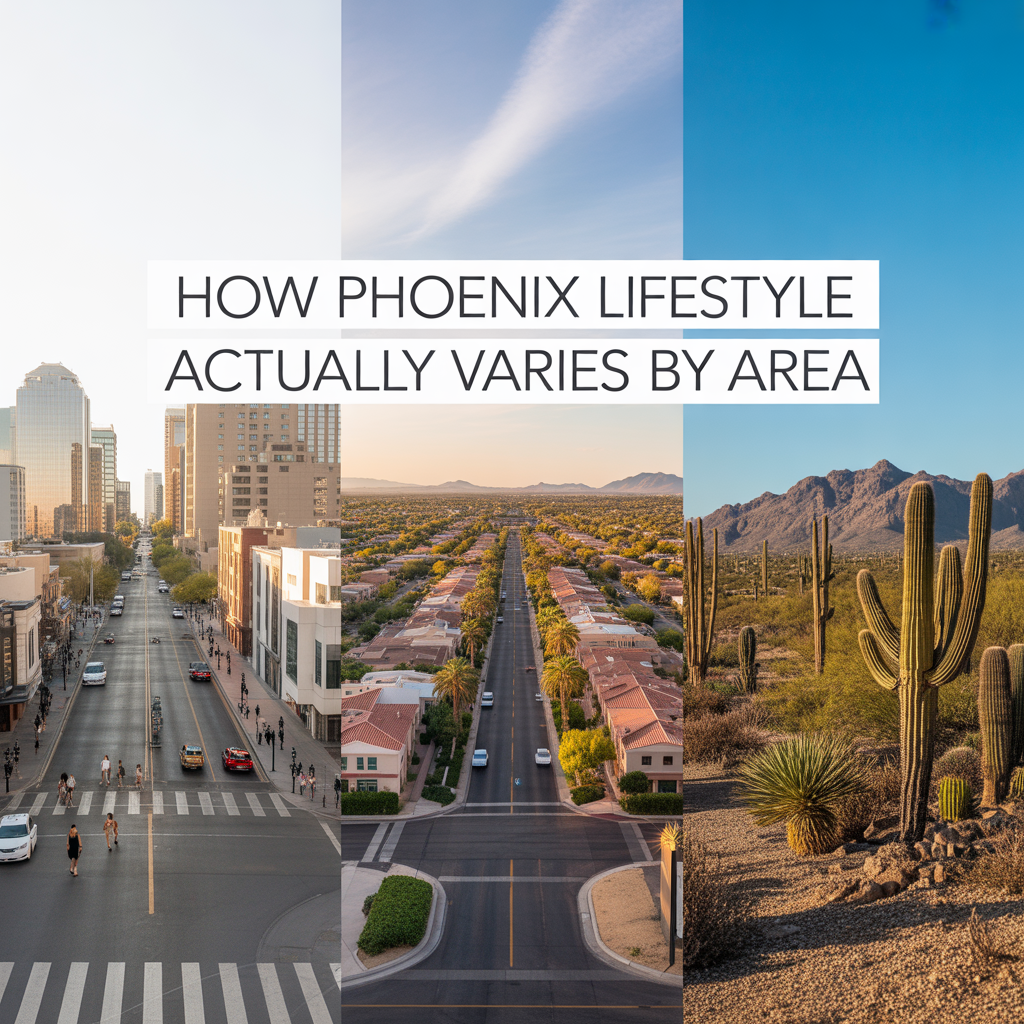
Tempe is compact geographically, but it contains multiple lifestyle realities. The feel of daily life shifts quickly depending on proximity to ASU, Tempe Town Lake, Mill Avenue, the Apache Boulevard corridor, major tech and office employers, and the Loop 101 / US-60 freeway grid. Some areas support a true “walkable and spontaneous” routine. Others function more like traditional suburban patterns where driving remains the default — even though you are minutes from the urban core.
Tempe’s lifestyle variation is driven by density, student presence, light rail access, event schedules, and traffic flow across key corridors. A home can look “central” while still feeling inefficient if your daily loop conflicts with campus peak times or freeway bottlenecks. The best fit in Tempe is typically about aligning your schedule, commute direction, and social preferences with the right pocket — not just selecting a recognizable neighborhood name.
Key drivers include:
- ASU Density and Academic Calendar Impacts by Tempe Pocket
- True Walkability Near Mill Avenue vs Drive-First South Tempe
- Loop 101, US-60, and Arterial Efficiency by Corridor
- Tempe Town Lake and Greenbelt Access You’ll Actually Use
- Dining and Social Gravity Along Mill, Apache, and Baseline
- Noise, Game Days, and Event Cycle Patterns
- How Often You Leave Tempe for Phoenix, Scottsdale, or Chandler
This hub is designed to surface those differences clearly so you can choose the parts of Tempe that support your real routine — not just your idealized version of it.
Schools & Education Lifestyles

Schools in Tempe shape lifestyle beyond academics — they shape traffic flow, after-school logistics, and how contained your daily life feels. Tempe’s education mix includes Tempe Union High School District, elementary districts, charter options, and proximity to ASU, which influences everything from tutoring access to part-time student employment patterns.
In Tempe, school choice can meaningfully alter commute strategy. A short cross-city drive can feel simple mid-day and congested during peak drop-off windows. Families often find that the best fit is less about a ranking and more about how the school calendar, sports schedule, and work commute integrate into one cohesive weekly rhythm.
This section explores how education shapes lifestyle through:
- School-Day Traffic Patterns Along Rural, McClintock, and Baseline
- After-School Sports at Tempe Diablo Stadium and Local Parks
- Neighborhood-Based School Routines vs Cross-Corridor Runs
- How High School Boundaries Affect Commute Direction
- Parent Communities and School Networks in South Tempe Neighborhoods
- Living Near Schools vs Residential Pockets in Tempe Neighborhoods
- How School Choice, Charter Options, and ASU Influence Education Options
The focus is not “best schools,” but how education structure and geography shape daily Tempe life.
Restaurants, Dining & Local Culture

Tempe’s dining and culture are unusually concentrated for the Valley, particularly around Mill Avenue, Tempe Marketplace, and select neighborhood corridors. Some pockets allow you to decide to go out and arrive within minutes on foot or bike. That spontaneity is a lifestyle advantage — but it brings trade-offs in parking pressure, weekend congestion, and late-night noise near the most active zones.
Tempe also benefits from a strong “third place” ecosystem — coffee shops, breweries, lakefront paths, and campus-adjacent spaces that function as default meeting points. Whether you experience that casually or only occasionally depends heavily on where you live relative to those corridors.
This section looks at how dining and culture shape lifestyle through:
- Mill Avenue Restaurants, Bars, and Nightlife Near Arizona State University
- Tempe Marketplace Dining, Entertainment, and Weekend Crowds
- Walkable Restaurants and Coffee Shops in Downtown Tempe
- Dining Options in South Tempe Neighborhood Corridors
- How ASU Influences Tempe’s Restaurant and Nightlife Scene
- Late-Night Activity and Residential Quiet Zones Near Entertainment Areas
- Parking, Rideshare, and Event Traffic Around Tempe Dining Districts
- Breweries, Coffee Shops, and Lakefront Hangouts Around Tempe Town Lake
The goal is to understand how living in different parts of Tempe changes your evenings and weekends — not just which spots are popular.
Parks, Trails & Outdoor Access

Outdoor access is one of Tempe’s defining lifestyle advantages — but it remains shaped by heat, shade, and timing. Tempe Town Lake, Papago Park adjacency, and neighborhood park networks allow for daily-use routines if you are close enough to incorporate them without driving.
In Tempe, the key distinction is not simply whether green space exists nearby. It is whether the lake path, canal system, or park is integrated into your weekday rhythm in a way that becomes habit rather than occasional recreation.
This section distinguishes between:
- Tempe Town Lake Paths, Running Trails, and Daily Recreation
- Parks and Green Spaces Across Tempe Neighborhoods
- Papago Park Hiking Trails and Tempe Outdoor Access
- Canal Paths and Bike Trails Connecting Tempe Neighborhoods
- Dog Parks, Playgrounds, and Family-Friendly Parks in Tempe
- Outdoor Recreation Near Downtown Tempe and ASU
- Shade, Tree Coverage, and Summer Outdoor Usability in Tempe
- Seasonal Outdoor Activity Patterns Across the Tempe Area
Proximity matters — but consistency of use is what transforms access into lifestyle.
Commutes, Traffic & Daily Movement

Tempe’s centrality is both a strength and a complexity. US-60, Loop 101, Loop 202, and major arterials converge here, and campus-driven traffic can amplify peak congestion. Two routes that appear similar on a map can feel dramatically different depending on direction, time of day, and overlap with school or ASU peak windows.
Tempe can function as an efficiency advantage if your commute direction aligns with freeway access and your errand loop remains local. It can also feel constrained if you routinely cross the wrong corridors at peak times. For remote workers, evaluating how quickly you can access Sky Harbor, Downtown Phoenix, Scottsdale, Chandler, and Mesa without friction becomes a key lifestyle variable.
This section analyzes:
- Tempe Freeway Access to US-60, Loop 101, and Loop 202
- Typical Commute Times From Tempe to Phoenix, Scottsdale, and Chandler
- ASU Traffic Patterns and Peak Congestion Near Campus
- Major Tempe Arterial Roads Including Rural Road, McClintock Drive, and Baseline Road
- Light Rail Access Between Tempe, Downtown Phoenix, and Mesa
- Driving Access From Tempe to Phoenix Sky Harbor Airport
- Bike Paths, Walkability, and Short-Distance Transportation in Tempe
- How Traffic and Commute Direction Affect Daily Life in North vs South Tempe
The goal is to translate Tempe’s central location into what your weekday actually feels like — hour by hour.
Airport, Freeways & Transit Access

Airport proximity is one of Tempe’s most practical advantages. Being near Sky Harbor is meaningful only if the route is predictable and efficient from your specific pocket. Some areas offer direct freeway access, while others rely more heavily on arterials that fluctuate during peak periods.
Tempe is also one of the Valley’s strongest transit corridors, with light rail connectivity along Apache Boulevard and into Downtown Phoenix and Mesa. For the right routines, that connectivity meaningfully reduces dependence on driving — especially for campus, events, and select commutes.
This section focuses on:
- Real-World Drive Times to Sky Harbor From Different Tempe Pockets
- Freeway vs Arterial Routing During Peak Windows
- Light Rail Use Cases That Actually Improve Daily Life
- Airport Timing Strategy Around ASU and Rush Hour Traffic
- Park-And-Ride, Game Day, and Event Access Patterns
- Micro-Mobility and Bike Utility by Corridor
- Cross-Valley Trip Efficiency From Tempe
Function matters more than map distance. The aim is to understand Tempe travel in real conditions — weekday peaks included.
Sports, Entertainment & Nightlife

Tempe’s entertainment identity is anchored around ASU, Mill Avenue, Tempe Town Lake events, and a steady calendar of sports and festivals. Some neighborhoods feel immersed in that activity, while others remain distinctly residential and buffered from late-night patterns.
The key lifestyle question is proximity tolerance. Do you prefer to live within walking distance of energy and events, or do you want separation with the option to visit? In Tempe, that choice materially changes weeknight noise, weekend traffic, and social convenience.
This section explores:
- ASU Game Days and Event Calendar Impacts
- Mill Avenue Late-Night Hotspots vs Residential Calm
- Parking Structures and Rideshare Realities on Peak Nights
- Weeknight Student Energy vs Weekend Festival Peaks
- Family-Friendly Lake Events vs Adult Nightlife Patterns
- How Tempe Town Lake Changes Social Routines
- Choosing Proximity Based on Personality and Routine
Tempe can feel continuously active in some corridors and quietly residential in others — and the right choice depends on how you actually live.
Seasonal Living in Tempe
Tempe is seasonal like the rest of the Valley. Summer compresses outdoor activity into early mornings and evenings, reshaping walkability and spontaneous plans. Cooler months expand patio culture, lake usage, and campus-adjacent activity — often amplifying overall energy.
In higher-density corridors, good weather increases foot traffic and evening volume. In quieter South Tempe neighborhoods, seasonality primarily affects park usage and outdoor recreation rather than noise or congestion levels.
This section covers:
- Summer Walkability Reality Near ASU and Mill Avenue
- Shade Coverage and Tree Canopy Differences by Corridor
- Tempe Town Lake and Canal Usage by Season
- Seasonal Shifts in Outdoor Time Across Tempe
- Patio Season, Festivals, and Event Peaks
- Impact on Pets and Kids During Tempe Summers
- How Tempe Homes Function Differently by Season
Seasonality shapes routines more than many residents anticipate — especially for those arriving from milder climates.
Experience, Authority & How This Hub Is Built
This Tempe Lifestyle Hub is written, maintained, and updated by a Phoenix-area real estate professional who works across the metro area daily — not by scraping data or stitching together generic summaries. The intent is to reflect how people actually live here, not how the city is marketed.
Every section is informed by first-hand observation and ongoing feedback from residents whose lives are shaped by school runs, commutes, heat, and access to the things that matter most to them. As Tempe’s corridors evolve and campus-adjacent patterns shift, this hub is updated to stay grounded in current reality.
This resource is built with:
- On-the-Ground Tempe Neighborhood Insight
- Client Experience Across Tempe Lifestyle Pockets
- Continuous Pattern-Tracking Over Time
- Regular Review and Refinement in Tempe
It is a living reference, not a one-and-done snapshot.
Who This Hub Is For
This hub is built for people who want to understand how Tempe actually feels to live in, beyond simple “pros and cons” lists. It’s meant to help you connect daily routines — work, school, errands, recreation, and social life — to specific pockets across Tempe.
Whether you’re already here and rethinking fit, moving within Arizona, or relocating from out of state, this hub aims to cut through noise so you can prioritize what matters most in your Tempe life.
This hub is especially useful for:
- Tempe Residents Reassessing Walkability vs Residential Quiet
- Buyers Comparing Lake-Adjacent vs South Tempe Neighborhoods
- Families Balancing School Boundaries, Schedules, and Commutes
- Professionals Managing Central Valley Movement Patterns
- Anyone Wanting Clarity on Density and Event Tradeoffs in Tempe
This is not a relocation pitch.
It is a Tempe lifestyle intelligence hub.
Frequently Asked Questions About Living in Tempe

Is Tempe more urban or suburban in daily life?
Tempe contains both realities. Areas near ASU and Tempe Town Lake feel genuinely urban and walkable, while South Tempe neighborhoods feel more suburban with quieter streets and drive-oriented errands. Daily experience depends more on corridor selection than on city boundaries.
Does ASU meaningfully affect day-to-day Tempe living?
Yes, particularly near campus and Mill Avenue. Academic schedules, game days, and events influence traffic, parking, and evening activity. In more residential pockets, the impact is more periodic than constant.
Is Tempe truly a “walkable” Valley city?
In specific corridors, yes. Near the lake, Mill Avenue, and light rail, daily walk-to routines are realistic. However, walkability is not universal, and summer heat meaningfully affects how often residents choose to walk instead of drive.
How much does commute direction matter in Tempe?
It matters significantly. Although centrally located, freeway interchanges and campus peak times can change how a commute feels. Direction and timing often determine whether Tempe feels efficient or congested.
Does transit help in Tempe?
Tempe is one of the Valley’s more transit-accessible areas due to light rail connectivity. For campus access, Downtown Phoenix trips, and select commutes, it can reduce reliance on driving — though most residents still maintain vehicle-based routines.
How different does Tempe feel across seasons?
Very different. Cooler months expand outdoor use, patios, and lake paths. Summer compresses outdoor routines into early and late windows, reducing spontaneous daytime walking for many residents.
Who should use this hub?
Anyone making housing or lifestyle decisions in Tempe — whether buying, staying, or reassessing fit. The goal is to align corridor, commute, and social patterns before committing long term.
Talk With the Tempe Lifestyle Expert

If you’re evaluating neighborhoods, comparing Tempe pockets, or aligning lifestyle priorities with long-term housing decisions, a direct conversation often brings clarity faster than more reading.
You can contact me directly to discuss how Tempe neighborhoods function day to day — without pressure, scripts, or generic recommendations.
👉 Contact Renee Directly