



Glendale Lifestyle Guide → [Glendale Lifestyle Guide] & Glendale Real Estate Guide→ [Glendale Real Estate Guide]
Written by: Renee Burke
Freeway access is one of the quiet “make or break” factors in how Glendale lives day to day. The way the 101, 303, Grand, and the major arterials are laid out shapes commute times, errand patterns, and even which parts of the city feel truly convenient.
The Big Picture: How Glendale Connects
Glendale sits in a web of regional routes, not just one freeway.
- Loop 101 runs north–south along Glendale’s eastern edge, tying you into I‑10, I‑17, and the broader West Valley quickly.
- Loop 303 has become a major north–south and east–west arc on the far west side, with interchanges at Glendale Avenue and Northern and direct connection to I‑17.
- US‑60/Grand Avenue cuts diagonally through the northwest, providing an alternate path toward downtown Phoenix and the northwest suburbs.
- Northern Parkway, partly within Glendale, functions as a high‑capacity corridor parallel to Northern Avenue, especially important near Luke AFB and the 303.
This network means Glendale isn’t dependent on a single freeway, but how “efficient” your routine feels depends a lot on which of these you’re closest to.
Loop 101: Everyday Commuter Backbone
For many Glendale residents, Loop 101 is the default freeway for getting around the Valley.
- It provides quick access east toward Scottsdale and Tempe, south toward I‑10, and north toward Peoria and beyond.
- Neighborhoods clustered near 101 interchanges at Glendale, Northern, and Bell often feel more commuter‑friendly simply because travel times are more predictable.
- If you work along the 101 corridor or in central Phoenix (via I‑10 or I‑17), this access can dramatically reduce your daily friction.
From a lifestyle standpoint, being within a few minutes of the 101 means you’re rarely more than 25–40 minutes from most major job centers in the Phoenix metro, depending on direction and time of day.
Loop 303 and the Emerging West Edge
Loop 303 has quietly turned the far west side of Glendale into a new kind of hub.
- The 303 connects I‑17 on the north to I‑10 on the south, with Glendale‑area interchanges at Camelback, Bethany Home, and Glendale Avenue, plus Northern and Northern Parkway nearby.
- Ongoing widening and interchange projects between I‑17 and 51st Avenue are increasing capacity and smoothing north–south movement, which benefits commuters living in newer west‑Glendale pockets.
- The 303 corridor is also attracting large industrial and commercial projects, which means more jobs closer to home for residents in that band.
If you live near the 303, your routines often feel more self‑contained: work, shopping, and freeway access line up along one growing spine to the west.
Grand Avenue and Northern Parkway: Alternatives and Relief Valves
Not everyone wants to fight I‑10 or the 101 every day, and Glendale’s diagonal and parallel routes provide useful alternatives.
- US‑60/Grand Avenue gives a diagonal path toward downtown Phoenix and out toward the northwest, letting drivers bypass some of the more congested freeway stretches.
- Northern Parkway, a controlled‑access parkway aligned with Northern Avenue near Luke AFB, was designed specifically to relieve traffic pressure on Northern and improve east–west travel in that part of Glendale.
For certain commutes, especially those involving the West Valley, these routes can shave off time and stress compared with funneling everything onto the main interstates.
Arterial Streets: Where Efficiency Is Won or Lost
Inside Glendale, your experience is shaped less by the freeway itself and more by the arterials that feed it.
Key east–west corridors include:
- Glendale Avenue, Bethany Home, Camelback, Northern, Olive, Peoria, Cactus, and Bell Road, all carrying significant daily traffic volumes.
Key north–south corridors include:
- 59th, 67th, 75th, 83rd, and 91st Avenues, which tie neighborhoods into both Loop 101 and, farther west, Loop 303.
Average annual daily traffic data show that some of these corridors carry very heavy loads, especially near freeway interchanges and commercial clusters. That’s why two homes that are the same distance from a freeway on a map can feel very different in real life: one might feed into a smooth arterial, the other into a chronically busy intersection.
Transit, Microtransit, and Non‑Driving Options
While Glendale is still car‑centric, there are options beyond private vehicles that help with overall network efficiency.
- Fixed‑route Valley Metro buses, Dial‑A‑Ride, and Glendale’s own GUS shuttles provide coverage along key streets and to major destinations, supplementing the freeway system.
- Glendale OnBoard, a shared microtransit/paratransit service, gives on‑demand rides within the city, operating every day of the year.
These services don’t replace freeways, but they do offer flexibility—especially for short trips where jumping onto a crowded arterial or on‑ramp isn’t appealing.
How This Should Inform Your Housing Decisions
When we talk about “freeway access” and “arterial efficiency” in Glendale, we’re really talking about how your time and energy are spent.
Questions I encourage buyers and sellers to think about:
- Which freeway do you realistically need most—101, 303, Grand, or some combination?
- How many signalized intersections stand between your driveway and that freeway on‑ramp?
- Are you comfortable living very close to a freeway for speed, or do you prefer a quieter pocket with a slightly longer drive?
- Would alternatives like Grand Avenue or Northern Parkway actually suit your commute better than the “obvious” route?
Those details are the difference between a home that just looks convenient on paper and one that truly supports your daily rhythm.
A Warm Invitation
If you’re looking at Glendale and trying to decode what “great freeway access” or “easy arterial connectivity” really means for your routine, you don’t have to untangle that alone. Mapping apps won’t tell you where traffic consistently backs up at 5 p.m., which intersections feel unsafe, or which neighborhoods give you the best blend of quiet streets and quick on‑ramps.
That’s where I come in—walking you through not just the homes, but the routes you’ll actually drive, the patterns you’ll live with, and the trade‑offs that make sense for you and your family.
If you’re thinking about making a move in Phoenix, you don’t have to figure it out alone.
Get the full Phoenix Market Insights → [Market Insights]


-

Electrical Safety Inspections for Older Phoenix Homes
-
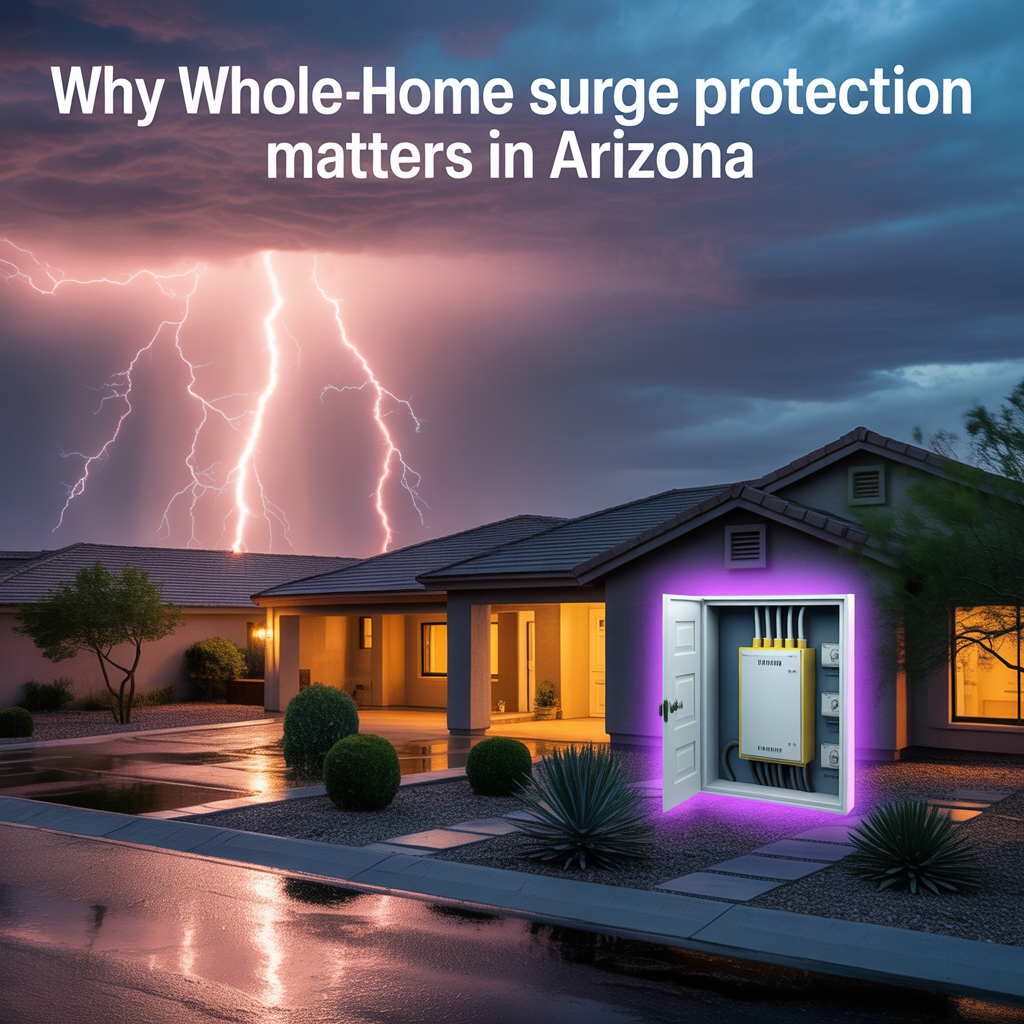
Why Whole-Home Surge Protection Matters in Arizona
-
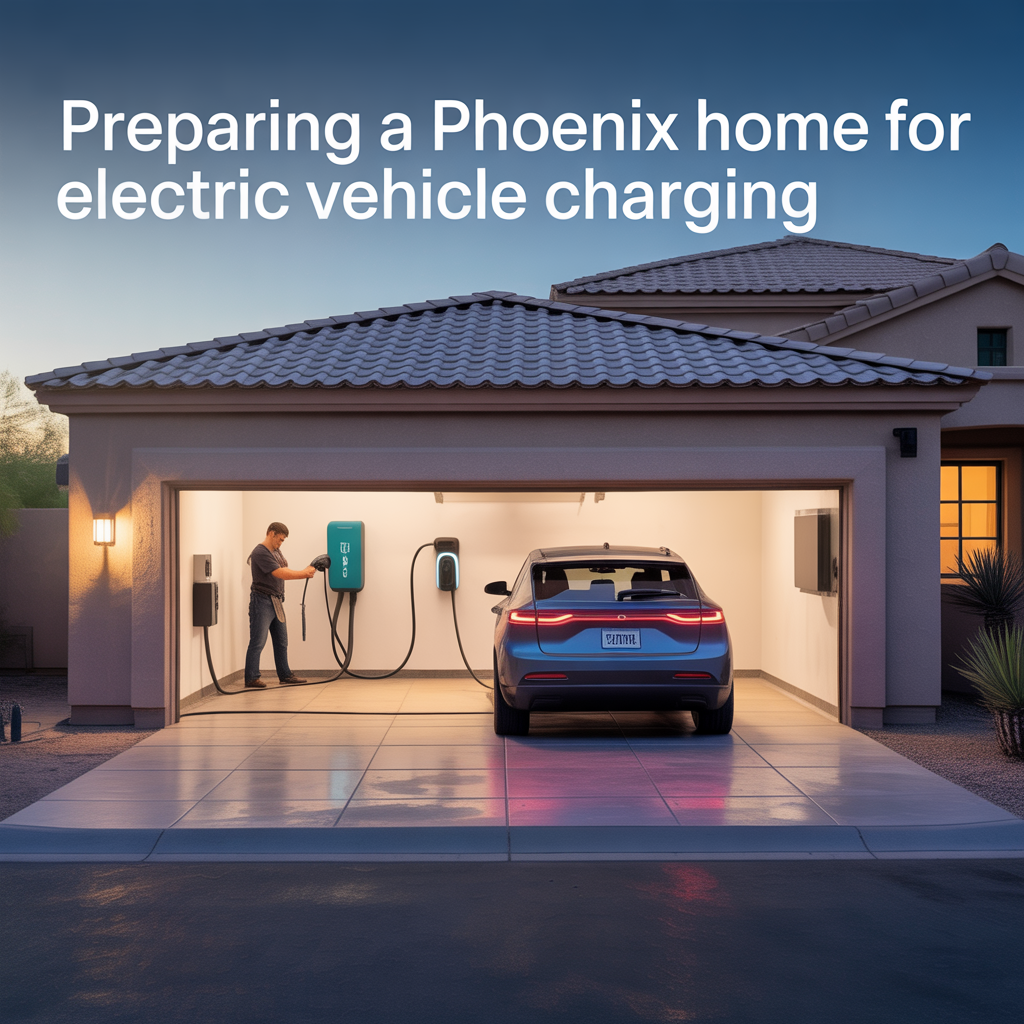
Preparing a Phoenix Home for Electric Vehicle Charging