



This is part of the Ownership Costs & Budget Planning Guide → [Ownership Costs & Budget Planning Guide] & the larger Homeownership 101 Guide→ [Homeownership 101]
Written by: Renee Burke
Living in the Valley means embracing the sun as both a blessing and a challenge. Our summers test every home, shifting how we move through our spaces, when we use them, and what we prioritize for comfort. It’s a rhythm unique to Phoenix—adapting to heat that reshapes daily life without ever letting it define us.
I’ve walked families through hundreds of homes here, from Scottsdale estates to Gilbert tract houses, and seen firsthand how the heat influences everything from morning routines to evening wind-downs. You learn to work with it, creating oases inside and out that make the season not just bearable, but truly livable.
The Shift in Daily Routines
Phoenix summers turn traditional schedules upside down. Mornings become sacred—cooler hours before 9 a.m. are for walks in the backyard, coffee on the patio, or tending to gardens before the sun climbs high. By midday, activity retreats indoors to air-conditioned great rooms or home offices, where south-facing windows with good shading keep the glare at bay.
Evenings extend the day again. As temperatures dip below 95°F around 8 p.m., patios and pools reclaim their role. Families fire up grills or settle into shaded seating, reclaiming outdoor time lost to the heat. This isn’t just preference; it’s necessity in a place where afternoons often top 110°F for weeks on end. Homes without flexible indoor-outdoor flow feel confining, while those designed for it expand your living space across 18 usable hours.
Redefining Indoor Spaces
Inside, heat prompts a migration to the coolest zones. Kitchens see less midday use—ovens and stoves give way to air fryers, slow cookers, or no-cook meals to avoid adding warmth. Living rooms with high ceilings and strategic vents become gathering spots, while upstairs bedrooms stay unoccupied until evening, thanks to rising heat trapped under roofs.
Many Valley homeowners adjust thermostat strategies instinctively: 78°F during occupied daytime hours, easing to 82-85°F when away or asleep, paired with ceiling fans pushing cool air down. This isn’t about skimping—it’s smart adaptation that cuts SRP or APS bills by hundreds while maintaining comfort. In my experience, homes with zoned cooling or smart thermostats handle this shift seamlessly, letting you focus on life rather than temperature tweaks.
Outdoor Areas Transform
What was a sunny backyard playground in spring becomes a shaded sanctuary by June. Pools, if you have one, shift from all-day lounging to early-morning swims or dusk dips, with misters and retractable awnings extending usability. Uncovered patios sit idle, gathering dust, while covered ramadas buzz with activity—dinner parties under fans, kids’ movie nights with string lights.
This change underscores why shade matters so deeply here, as we discussed before. Without it, outdoor spaces lose 70-80% of their summer potential. Thoughtful designs—like extended eaves over west-facing patios or misting systems tied to sensors—keep these areas central to family life, blending seamlessly with our desert aesthetic.
Energy and Maintenance Realities
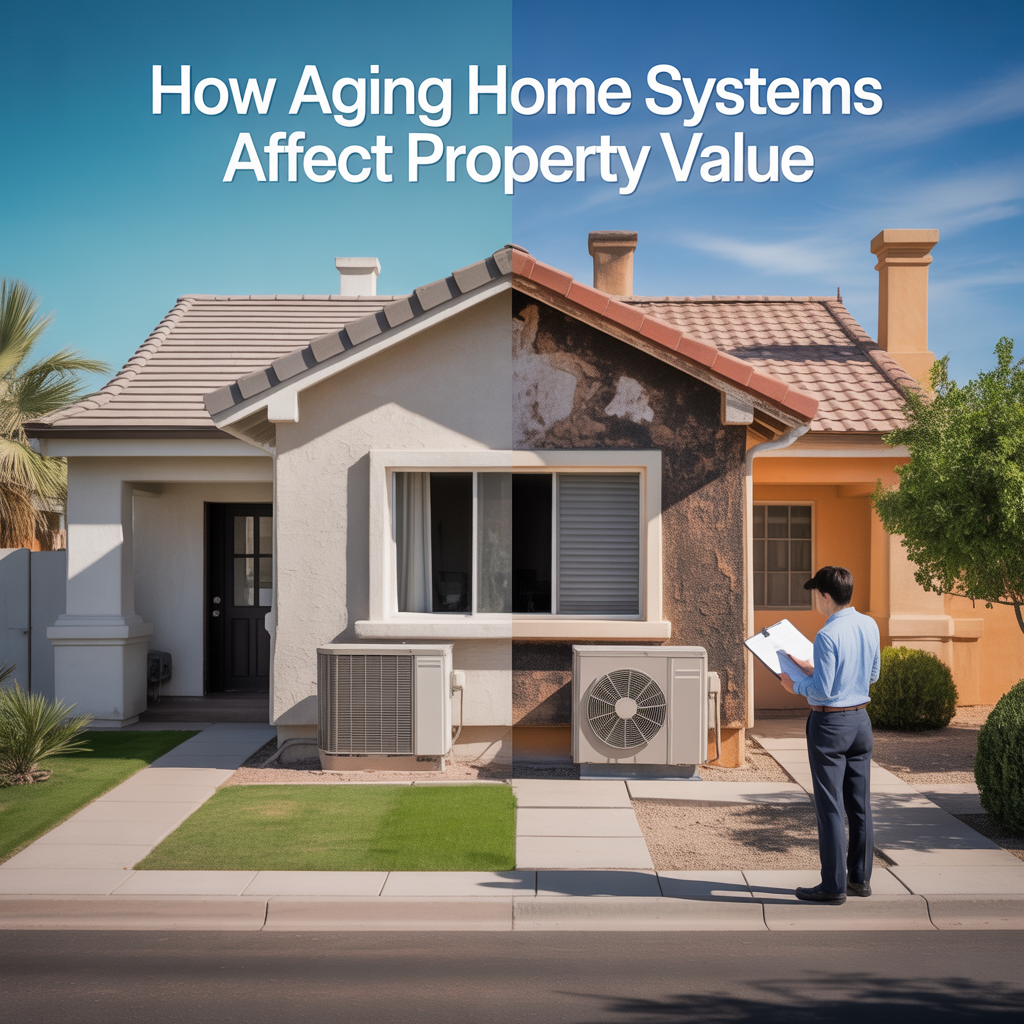
Heat doesn’t just alter usage; it accelerates wear. AC units run near-constantly from May to September, straining systems not serviced pre-season. Homeowners learn to seal drafts around sliders and windows, add solar screens that block 70% of heat gain, and prioritize attic insulation to prevent roofs from radiating 140°F into living spaces.
Long-term, this means budgeting for peak summer utilities—often $400-600 monthly for larger homes—and planning upgrades like high-SEER units or low-E films. Newer neighborhoods like Eastmark or Terravita build these features in, recognizing that heat-resilient homes hold value better in our market. Older properties in Ahwatukee or north central Phoenix often retrofit, turning liabilities into assets.
Lifestyle Adjustments Families Make
I hear the same concerns from clients: “Will we be stuck inside all summer?” or “How do we keep the kids entertained?” The answer lies in intentional adaptations. Playrooms become daytime havens with blackout shades; home gyms migrate to garages with evaporative coolers for shoulder-season use. Families stock extra water, electrolyte drinks, and portable fans for power-outage risks during monsoons.
Socially, gatherings move indoors or to shaded venues—think block parties under community ramadas rather than open lots. Pets get cooling mats and iced treats; gardens shift to drought-tolerant natives that thrive on early watering. These aren’t hardships; they’re Valley wisdom, passed down and refined over generations.
Neighborhood Variations
Drive through different Phoenix pockets, and you’ll see heat adaptations in action. In upscale Scottsdale’s DC Ranch, homes boast mist-cooled loggias and pool cabanas, supporting active outdoor lifestyles year-round. Gilbert’s agritopian communities emphasize communal shaded plazas, fostering connection despite the heat.
Contrast that with denser areas like Maryvale or south Tempe, where smaller lots prioritize window films, attic fans, and cross-ventilation—affordable ways to reclaim space. No matter the zip code, the principle holds: homes that facilitate heat-smart usage feel more like sanctuaries, commanding premiums in resale.
Health and Comfort Considerations
Extreme heat brings vulnerabilities we address proactively. Elderly residents or young families favor single-story plans with central cooling to avoid “hot upstairs” issues. Indoor plants like succulents add humidity without heat; air purifiers combat dust from constant fan use.
Sleep patterns adjust too—lighter linens, fans on low, and pre-cooling rooms before bed. For those with health concerns, like respiratory issues common in monsoon season, HEPA filters and dehumidifiers become non-negotiables. These tweaks ensure homes support well-being, not just survival.
Market Implications for Long-Term Owners
Buyers eyeing Phoenix for the long haul scrutinize heat performance. Appraisals factor in energy-efficient features, as homes averaging under 50 kWh daily in summer outshine guzzlers. Resale stories from clients confirm it: properties with recent AC overhauls, shaded exposures, and smart zoning sell faster and closer to ask.
In a market where inventory tightens each spring, heat-adapted homes stand out. They promise lower TCO—total cost of ownership—blending lifestyle appeal with fiscal smarts.
Embracing the Valley Rhythm
Ultimately, our summers teach resilience and ingenuity. Heat shrinks your active hours but deepens appreciation for those golden windows—dawn yoga on the patio, starlit dinners after dark. Homes evolve into versatile retreats, where every feature serves the season.
It’s this adaptability that makes Phoenix living enduringly special. You don’t fight the heat; you design around it, creating spaces that enhance every moment.
A Word from Renee
If you’re navigating these shifts in your current home or hunting for one that handles them effortlessly, lean on someone who knows the Valley inside out. I’ve guided countless families through choices that prioritize comfort, efficiency, and joy in our unique climate.
If you’re thinking about making a move in Phoenix, you don’t have to figure it out alone. Reach out—I’m here to help you find or refine a home that feels just right, season after season.
Get the full Phoenix Market Insights → [Market Insights]


-
Cost of Living in Rhode Island: Housing, Taxes, Utilities, and Everyday Expenses
-

What If My Commute Becomes Worse Than Expected?
-
How Aging Home Systems Affect Property Value