



This is part of the Ownership Costs & Budget Planning Guide → [Ownership Costs & Budget Planning Guide] & the larger Homeownership 101 Guide→ [Homeownership 101]
Written by: Renee Burke
Your Phoenix home isn’t just shelter — it’s one of your most powerful wealth-building tools, steadily compounding equity while you live comfortably inside it. Treating it like a deliberate long-term asset means shifting from month-to-month worries to a 10- or 20-year horizon, where smart stewardship turns operating costs into investments that pay dividends. I’ve guided countless Valley families to this mindset, blending our local market realities with timeless financial wisdom.
It starts with seeing beyond the mortgage: principal paydown, appreciation, tax advantages, and inflation hedging all work quietly if you plan with intention.
The Long-Term Math That Works in Phoenix
Phoenix real estate shines over decades. Steady population growth, job hubs like TSMC and Intel, and desirable desert living drive reliable appreciation — often 4-6% annually in strong submarkets like Scottsdale or Gilbert. Fixed-rate debt lets inflation erode your real mortgage cost, while equity builds.
Picture a $550,000 purchase today:
| Year | Home Value (5% Avg Growth) | Principal Paid Down | Cumulative Equity Gain |
|---|---|---|---|
| 5 | $703,000 | ~$50,000 | $200,000+ |
| 10 | $900,000 | ~$120,000 | $470,000+ |
| 20 | $1.46M | ~$280,000 | $1.2M+ |
That’s not speculation — it’s our market’s track record, fueled by in-migration and infrastructure. Your job? Protect and amplify it through disciplined ownership.
Budget as Investment Strategy
Plan expenses like portfolio allocations: defensive (must-haves), growth (enhancers), and opportunistic (value-adds).
Defensive Reserves (1-2% of value annually):
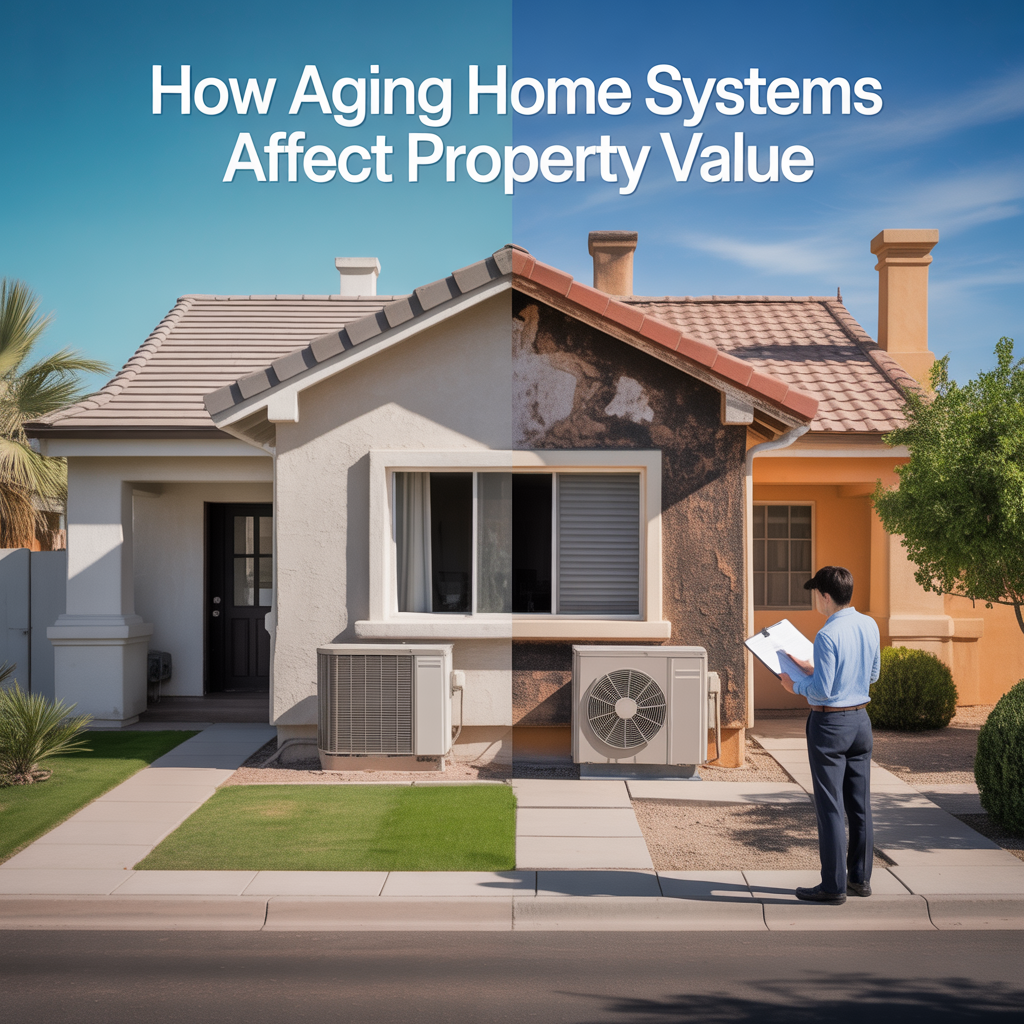
AC tune-ups, roof checks, irrigation fixes. In our heat, these preserve value — skipping them risks $10,000 surprises that eat equity. Budget $400-800/month; it’s cheaper than replacement.
Growth Investments:
- Energy upgrades (solar, insulation): Payback in 5-7 years via utility cuts, plus premium resale.
- Xeriscaping: Drops water bills 30-50%, boosting curb appeal.
- Preventive trades: Bi-annual HVAC saves compressor life, worth $5,000+ long-term.
Opportunistic Plays:
HELOC for strategic adds (kitchen, ADU) when rates dip. Time major projects post-monsoon for best pricing.
Aim for total ownership under 30% take-home, leaving room for savings. Review yearly as value rises — your “1% reserve” scales with equity.
Phoenix-Specific Long-Term Plays
Our market rewards foresight:
- Neighborhood arbitrage: East Valley family homes appreciate steadily; West Valley offers entry for rental potential.
- Climate-proofing: Solar + batteries hedge rising SRP/APS rates, adding $20,000+ resale value.
- Tax leverage: Homestead exemption, mortgage interest, property tax caps — maximize via annual filings.
- Exit ramps: Plan for downsizing or 1031 exchange into rentals, turning primary equity into income streams.
Avoid lifestyle creep: as value climbs, don’t inflate spending. Reinvest savings into efficiency or reserves.
Risk Management: The Quiet Multiplier
Long-term holding demands protection:
- Inflation buffer: Assume 3-5% annual ops cost rise; build cushions.
- Insurance evolution: Update coverage to match rebuild costs yearly.
- Market cycles: Phoenix softens occasionally (rates, inventory) — hold through for rebound gains.
- Life shifts: Build flexibility for job changes, family growth, via emergency funds covering 6 months’ ownership.
Stress-test: Model scenarios (rate hikes, repairs) to confirm resilience.
Legacy Mindset: Beyond Your Timeline
The best plans extend forward. Teach kids maintenance basics. Document systems for resale. Position for inheritance — paid-off home or rental portfolio transfers wealth seamlessly.
Phoenix families who thrive treat homes as assets: disciplined inputs, patient horizon, local savvy. Equity compounds; so does peace.
If you’re ready to map this for your Valley home — projecting equity, optimizing costs, aligning with life goals — you don’t have to blueprint it alone. Let’s review your numbers and craft a 10-year ownership plan tailored to Phoenix realities.
If you’re thinking about making a move in Phoenix, you don’t have to figure it out alone. Reach out — I’m here as your long-term guide, turning your home into the asset it’s meant to be.
Get the full Phoenix Market Insights → [Market Insights]


-
Cost of Living in Rhode Island: Housing, Taxes, Utilities, and Everyday Expenses
-

What If My Commute Becomes Worse Than Expected?
-
How Aging Home Systems Affect Property Value