


This is part of the Ownership Costs & Budget Planning Guide → [Ownership Costs & Budget Planning Guide] & the larger Homeownership 101 Guide→ [Homeownership 101]
Written by: Renee Burke
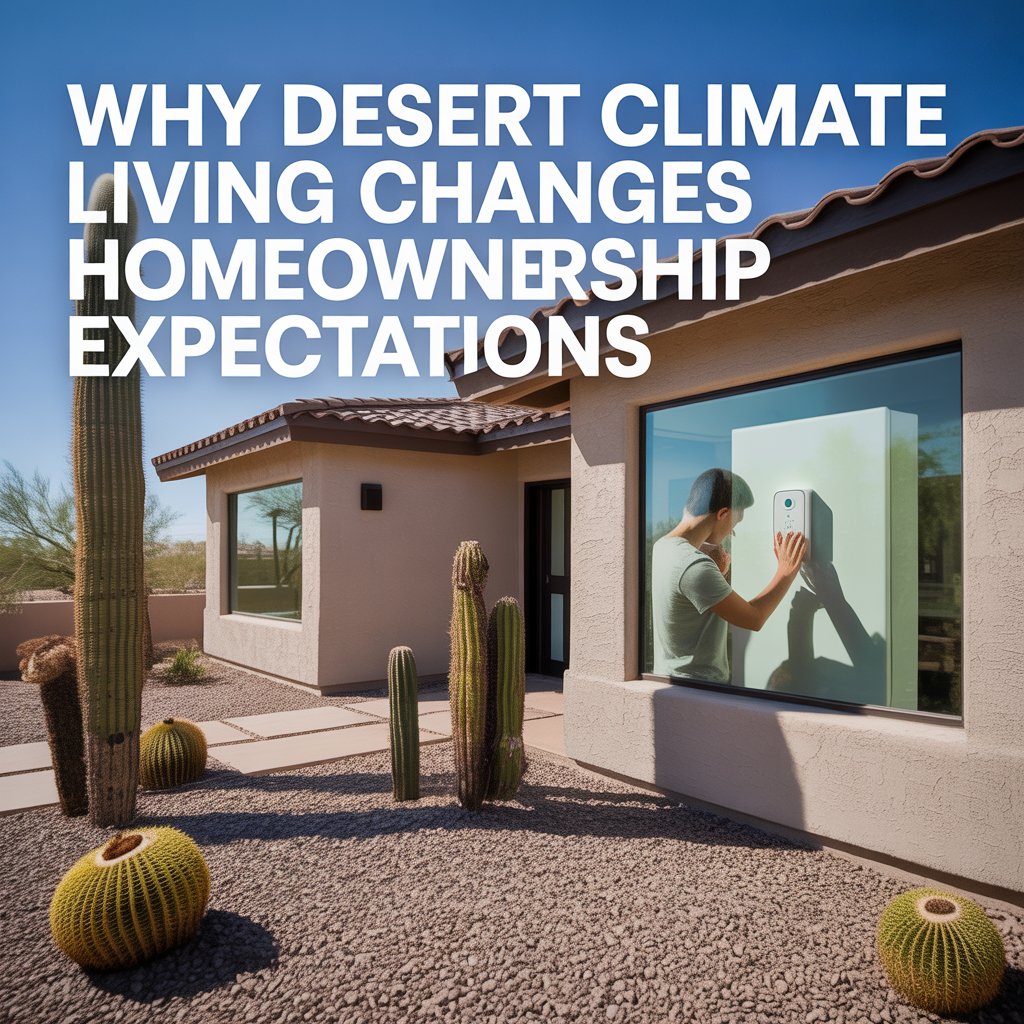
In Phoenix, the desert doesn’t just shape our landscapes—it reshapes what we expect from homeownership itself. The relentless sun, scarce water, and dramatic temperature swings mean your house isn’t merely shelter; it’s an active partner in daily survival and comfort. I’ve guided families through this reality for years, watching expectations evolve from basic needs to climate-smart strategies that define Valley life.
By now, you know I speak from the heart of the metro area, where every decision ties back to making homes work harder in our unique environment.
Higher Emphasis on Cooling Systems
Forget the four-season homes of greener climates—here, a robust HVAC isn’t optional; it’s the foundation. Expectation one: your AC must handle 110°F-plus days without flinching. Single-split systems give way to zoned, high-SEER units that cool main living areas while letting bedrooms rest until evening.
Homeowners quickly learn to budget for pre-summer tune-ups and variable-speed compressors that whisper rather than roar. In long-term ownership, this shifts your mindset: cooling reliability trumps granite counters. A home without recent HVAC upgrades feels risky, like buying a car without brakes.
Water as a Premium Asset
Water scarcity flips the script on maintenance and landscaping. Lush lawns? A relic expectation. Desert living demands xeriscaping—gravel, succulents, and drip-irrigated natives that sip rather than guzzle. Softener systems combat hard water’s mineral buildup in pipes and fixtures, a silent killer of plumbing longevity.
HOAs in places like Scottsdale or Gilbert now enforce low-water covenants, changing what “curb appeal” means. Buyers expect rainwater harvesting or greywater systems, viewing them as future-proofing against tightening APS and city regs. It’s a quiet revolution: homeownership now includes stewarding a finite resource.
Shade and Outdoor Adaptation
Uncovered patios work elsewhere; in the Valley, they’re summer liabilities. Expectations pivot to shaded extensions—pergolas, misters, and extended eaves that reclaim backyards from dawn to dusk. Pools demand covers to curb evaporation, while west-facing windows scream for solar film or awnings.
This isn’t about luxury; it’s usability. A home’s square footage feels doubled with thoughtful shade, altering how you evaluate properties. Long-term owners anticipate these as baseline, knowing they protect stucco from UV cracking and cut energy loads by 20-30%.
Maintenance Rhythms Shift
Desert extremes accelerate wear, resetting repair calendars. Roofs last 15-20 years under our sun, not 30. Stucco demands annual sealing against micro-cracks from heat expansion. Monsoon prep—clearing drains, securing loose items—becomes as routine as spring cleaning elsewhere.
Pest control targets scorpions and termites thriving in dry heat, while attic fans prevent moisture-trapped mold post-storms. Expectations harden: proactive care isn’t extra; it’s embedded in ownership, with budgets allocating 1-2% of home value yearly for climate-specific upkeep.
Energy Costs and Efficiency Mindset
Bills that spike to $500+ in July redefine “affordable.” Homeownership here means expecting smart thermostats, LED retrofits, and insulation that fights radiant heat. Ceiling fans in every room, programmable to reverse in winter, become must-haves.
Solar panels shift from nice-to-have to essential, offsetting peak rates and qualifying for APS credits. Buyers scrutinize orientation—south-facing roofs for max generation—knowing long-term savings compound in a market where utilities climb predictably.
Resale and Longevity Focus
Market intelligence blends with lifestyle: heat-resilient features command premiums. Homes with cool roofs, sealed ducts, and drought yards appraise higher, selling faster in spring rushes. Expectations include 70-100 year lifespans, demanding upgrades that withstand projected hotter decades.
NIMBY resistance to density eases as buyers seek single-story plans avoiding “hot upstairs” traps. In Buckeye or Queen Creek, water assuredness trumps lot size—developers now prove 100-year supplies, resetting subdivision dreams.
Health and Lifestyle Adjustments
Vulnerability sharpens focus—elderly or families expect single-level access, avoiding stairs on 100°F days. Indoor air quality rises with HEPA filters battling dust storms. Sleep sanctuaries prioritize blackout shades and pre-cooling routines.
Socially, homeownership embraces indoor-outdoor flow: great rooms opening to covered patios for monsoon-safe gatherings. These aren’t compromises; they foster deeper connections, tailored to our light-filled nights.
Busting Common Misconceptions
Many newcomers fear “unlivable” heat—truth is, smart homes thrive here. Water worries? City planning prioritizes recharge, easing groundwater strains. Older buyers fret resale; heat-adapted properties hold value amid influxes, outpacing national dips.
HOA rigidity softens for efficiency mods, and rebates abound via federal weatherization funds. It’s not hardship—it’s evolution, rewarding informed owners.
Thriving in the Desert Long-Term
Desert living elevates homeownership to strategic partnership. You expect resilience, efficiency, and harmony with the sun—turning challenges into character. Homes become sanctuaries that enhance life, not endure it.
This mindset sustains joy: twilight pools, starlit dinners, resilient beauty year-round.
A Word from Renee
I’ve helped Valley families realign expectations, turning desert realities into confident choices that last.
If you’re thinking about making a move in Phoenix, you don’t have to figure it out alone. Reach out—I’m here as your long-term guide, ensuring your home meets the Valley on its terms.
Get the full Phoenix Market Insights → [Market Insights]


-
Cost of Living in Rhode Island: Housing, Taxes, Utilities, and Everyday Expenses
-
What If My Commute Becomes Worse Than Expected?
-
How Aging Home Systems Affect Property Value