



This is part of the Insurance, Risk and Protection Guide →[Home Maintenance and Systems] & the larger Homeownership 101 Guide→ [Homeownership 101]
Written by: Renee Burke
In Phoenix, your home is always working — fighting the sun, the heat, and the long stretches of dry air. That effort shows up on your utility bills and in how comfortably you live from day to day. The good news is that a few smart, well‑chosen energy efficiency upgrades can make a big difference in what you pay each month and how your home feels during both scorching August days and cooler January nights.
After walking through so many Valley homes, I’ve learned that the most comfortable homes aren’t the ones with the fanciest finishes, but the ones that were thoughtfully tightened, insulated, and tuned for our desert climate. Let’s talk about the upgrades that really matter for Phoenix homeowners and how to plan them so they feel like an investment, not a burden.
1. Start with Where Your Home Loses the Most
Before you spend on shiny new equipment, it helps to understand where your home is leaking energy. The big leaks in Phoenix are usually:
- Heat slipping through poorly insulated ceilings, walls, and attics
- Air escaping through gaps around windows, doors, and the stem wall
- HVAC equipment fighting leaky or un‑insulated ducts stuffed in hot attics
Many Phoenix homeowners start with a basic energy‑efficiency walkthrough or a professional “energy audit” — some of which are even supported by local state and utility programs like Efficiency Arizona and APS/SRP rebate offerings. Knowing where your home actually leaks tells you exactly where to focus your first dollars.
2. Insulation and Attic Upgrades
If your home was built before the 1990s or you’ve never had a good attic inspection, topping up or re‑sealing insulation is one of the highest‑impact upgrades you can make.
- Attic insulation: Increasing attic insulation to recommended R‑values reduces how much heat builds up near your ceiling, which makes your HVAC work less hard and your upstairs rooms much more comfortable.
- Light‑colored or reflective attic sheathing or radiant barrier: In our desert climate, these materials help deflect radiant heat so your attic doesn’t become a broiler by mid‑afternoon.
For older Phoenix homes, even a modest insulation upgrade can noticeably soften the “wall‑of‑heat” feeling when you walk in from outside.
3. Windows, Doors, and Sealing
Windows and doors are where your home says “hello” to the sun and “goodbye” to your cooled air. Upgrading thoughtfully helps a lot:
- Double‑pane or low‑E windows: Especially on south‑ and west‑facing exposures, these windows reduce heat gain and glare while doing little visible damage to your home’s curb appeal. Some modern SRP programs actually offer rebates for qualifying window replacements, which can help offset the cost.
- Door weatherstripping and sill seals: Simple, inexpensive upgrades that keep cooled air in and hot desert air out.
- Shade screens and awnings: These may not be “structural,” but they dramatically reduce how much heat builds up behind glass and inside rooms.
In Phoenix, even small sealing upgrades often deliver quick, tangible comfort and bill savings, especially when paired with other improvements.
4. HVAC: The Heart of Your Home
In our climate, no single upgrade usually has more impact than your HVAC system.
- High‑efficiency AC or heat pump: Modern units with solid SEER2 ratings can cool your home more effectively while using less electricity. For many Phoenix homes, a new 14–16+ SEER2 system replaces older, clunkier units that have been running on borrowed efficiency for years.
- Smart or programmable thermostats: These learn your family’s schedule and keep the house just cool enough when you’re home, letting it drift a bit when you’re away. In the Valley, a few degrees of well‑managed temperature shift can trim a surprising chunk off your bill.
- Duct sealing and insulation: In many homes, ducts in the attic leak 15–20% or more of conditioned air. Sealing and insulating them keeps cool air in the system, improves comfort, and reduces strain on your equipment.
If your AC is 10–12 years or older, combining an efficiency‑focused replacement with a smart thermostat and duct work is often where homeowners see the most dramatic reduction in cooling‑season bills.
5. Water Heating and Hot‑Water Distribution
Hot‑water use is another quiet but steady contributor to your utility costs. Upgrading here can help:
- High‑efficiency or heat‑pump water heaters: These use significantly less energy than traditional electric‑resistance tanks and can be eligible for tax credits and local rebates under federal programs like the Inflation Reduction Act and local utility incentives.
- Pipe insulation: Wrapping hot‑water pipes, especially in long runs from the water heater, keeps water hot longer so you don’t have to wait as long for a shower to warm up.
In Phoenix, where water can be hot right out of the ground, even modest upgrades to water‑heater efficiency and distribution can noticeably soften your monthly bill.
6. Solar and Renewable‑Friendly Upgrades
Given our year‑round sunshine, many Phoenix homes are starting to pair efficiency upgrades with solar‑friendly features:
- Solar‑ready roof prep: Using lighter‑colored shingles or tiles and arranging panels where they catch the most sun.
- Solar‑compatible HVAC and water‑heater systems: Heat pumps and heat‑pump water heaters play well with solar arrays, because they use electricity instead of gas, making it easier to offset usage with PV.
State and local programs like Efficiency Arizona and broader federal incentives are making it easier for homeowners to combine solar with efficiency upgrades instead of choosing one or the other.
7. How to Plan Which Upgrades to Do When
Not every home needs everything at once. A soft, practical approach is:
- Short term (1–2 years):
- Inspect and seal air leaks, upgrade weatherstripping, and add basic attic insulation as needed.
- Install a smart thermostat and tune your current HVAC system.
- Medium term (2–5 years):
- Replace aging windows or doors on the hottest sides of the home.
- Schedule a new high‑efficiency AC or heat pump when your current system is 10–12 years old.
- Long term (5+ years):
- Evaluate solar readiness or add solar once your roof and HVAC are in good shape.
- Spread larger upgrades across years so they don’t feel like a one‑time financial hit.
If you’re planning to stay in your Phoenix home for several more years, investing in efficiency often feels like a quiet win: lower bills, more comfort, and stronger appeal when you finally decide to sell.
You Don’t Have to Figure It All Out Alone
If you’re wondering which energy efficiency upgrades make the most sense for your specific home — or how to fit things like a new AC, insulation, or solar into your budget and timeline — I’m here to help you map it out.
If you’re thinking about making a move in Phoenix, you don’t have to figure it out alone. Whether you’re trying to understand what improvements will bring the most value, how local rebates and tax credits might help, or simply how to make your home feel more comfortable in the heat, I’m happy to walk through it with you — calmly, honestly, and without pressure.
Together, we can decide which upgrades matter most for your lifestyle and your plans, so your home feels like a cool, steady haven in the Arizona sun.
Get the full Phoenix Market Insights → [Market Insights]


-
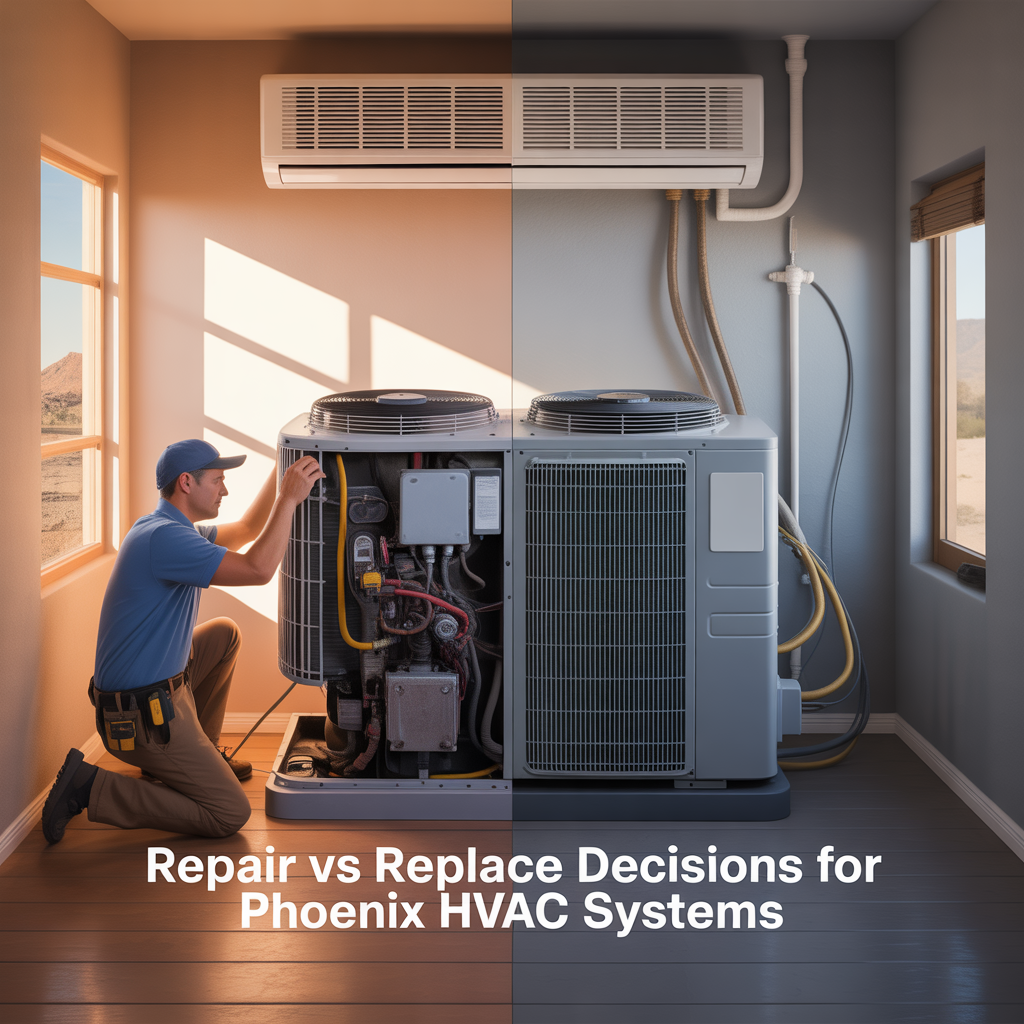
Repair vs Replace Decisions for Phoenix HVAC Systems
-
Creating a Long-Term Home Maintenance Plan
-

How Often Phoenix Homes Should Be Professionally Inspected