



This is part of Real Estate Fears in Denver→ [Real Estate Fears in Denver] also research Denver Buyer Fears → [Denver Buyer Fears] and Denver Seller Fears → [Denver Seller Fears]
Written by: Chad Cabalka
Insurance costs in Colorado aren’t just rising—they’re reshaping how buyers, sellers, and homeowners approach the Denver real estate market. Every week, I see deals pause or fall apart when a quote lands 50% higher than expected, turning a solid offer into a scramble for alternatives. This isn’t abstract worry; it’s the new math of ownership in a state where hail the size of golf balls and foothill wildfires define risk in ways they didn’t five years ago.
What’s Driving This Fear in Denver
Denver sits at the epicenter of two colliding forces: extreme weather patterns and a housing market that’s already stretched thin. Average premiums statewide now hover between $3,400 and $5,200 annually, but in the metro area, you’re looking at $4,000 to $6,500 for standard coverage—often double that for properties near the foothills or east of I-25. Hail claims alone account for over half the losses carriers face here, thanks to Colorado’s spot in “Hail Alley,” where storms have grown more frequent and damaging.
Wildfire risk layers on top, especially in Jefferson, Douglas, and Boulder counties. Even mitigated homes carry 20-25% risk loadings in underwriting, pushing some foothill premiums past $10,000 a year. Add in soaring rebuild costs—labor shortages and stricter building codes have jacked up replacement values by 30-40% since 2020—and carriers are passing it straight through. Inventory stays tight at 2-3 months’ supply, interest rates linger around 6.5%, and migration from high-cost states keeps demand humming, but these insurance quotes create friction that slows closings and caps buyer budgets.
Local dynamics amplify it. Eastern suburbs like Aurora and Centennial take the brunt of hail exposure, spreading costs statewide through rate averaging. Meanwhile, central Denver neighborhoods like Wash Park or LoDo hold steadier because older brick homes and urban density lower perceived vulnerability. Pricing trends reflect this: homes with newer Class 4 impact-rated roofs or defensible space sell faster and closer to ask, even in a market where median prices sit near $650,000.
Who This Impacts Most
First-time buyers feel this hardest. They’re already scraping together down payments in the $500,000-$600,000 range for townhomes or starter single-families in Green Valley Ranch or Lowry. A $350-$450 monthly insurance quote—on top of a 6% mortgage—eats 10-15% of their housing budget, forcing them to downsize dreams or walk away. I’ve watched offers collapse at inspection when the home warranty can’t bridge the gap.
Move-up buyers in the foothills—think Evergreen, Genesee, or Conifer—face non-renewals from standard carriers, shoving them to excess markets at double the cost. They’re trading up for space and views, but suddenly that $900,000 custom build carries $15,000 annual premiums, squeezing family cash flow just as school and activity costs ramp up.
Long-term homeowners, particularly empty-nesters in older suburbs like Littleton or Englewood, see bills quadruple over three years, turning fixed retirement budgets upside down. Relocators from California or Texas arrive battle-hardened, asking about FAIR Plan eligibility on day one, but even they underestimate how Denver’s hail risk rivals coastal exposures. Sellers notice too: uninsurable listings linger 30-60 days longer, especially if drone inspections flag roof age or tree proximity.
Investors round it out. Multi-family operators in North Denver or Capitol Hill bundle policies to mitigate, but single-family landlords east of the city watch cap rates compress as tenants demand rent relief for rising ownership costs.
Why This Fear Persists
People get the data—Colorado ranks top-five for premiums nationally—but the psychology runs deeper. Insurance hits like a stealth tax: invisible until renewal, then inescapable. Buyers fixate on monthly quotes derailing closings, while sellers sweat appraisals that now flag insurability. Even analytical types—engineers at Lockheed or analysts downtown—struggle because risk feels personal, not statistical. One bad storm season, and your neighbor’s roof claim spikes your ZIP code rates.
The ambiguity fuels it. Carriers use black-box algorithms blending hail density, wildfire proximity, and rebuild inflation, leaving owners guessing what tips the scale. Anecdotes stick: a Marshall Fire survivor’s story goes viral, and suddenly every buyer envisions smoke over their backyard. Smart folks know Denver’s market resilience—steady job growth, outdoor appeal—but the 30-year mortgage horizon clashes with accelerating claims cycles, breeding hesitation.
Market signals reinforce the loop. Tight inventory props up prices, masking insurance drag, but when a deal blows up over coverage, word spreads through group chats and Reddit threads. Fear persists because it’s no longer theoretical; it’s the buyer next door canceling escrow.
The Reality (What’s Actually True)
Premiums will keep climbing—10-20% yearly feels realistic short-term—but it’s not a death spiral for Denver real estate. Hail drives most of it, not wildfires, and statewide rate averaging means even low-risk central neighborhoods subsidize plains exposure. The FAIR Plan, expanded since 2024, now backs 140+ policies as a safety net, though caps at $750,000 and higher costs limit its appeal.
Foothill zones face the steepest trajectory, with non-renewals pushing owners to surplus lines carriers that charge more but cover broadly. Central and urban infill? Steadier climbs, as masonry construction and proximity to fire stations blunt extremes. Mitigation works modestly—Class 4 roofs shave deductibles, defensible space cuts fire loadings by $200-$500 annually—but don’t expect dramatic relief. Rebuild inflation and claims frequency outweigh discounts for now.
Denver’s housing market shrugs off worse: post-pandemic booms, rate shocks, inventory crunches. Demand from remote workers and lifestyle seekers offsets the squeeze, keeping values firm. Perception lags reality here—many owners overestimate personal risk while underappreciating metro-wide buffers like Denver Water’s reliability and regional mitigation grants.
How to Think About It Strategically
Shift from worry to framework: insurance is now 8-12% of total ownership cost, so bake it into comps like you do taxes or HOA fees. For buyers, run quotes pre-offer using roof age, tree canopy, and lot exposure as proxies. Prioritize pre-2010 builds with impact-rated shingles in North Denver or Five Points—lower hail deductibles (1-2% vs. 5%) preserve cash flow. Avoid eastside tracts without recent roof certifications; they’ll haunt renewals.
Sellers, disclose mitigation upfront: Class A fire-rated materials, 30-foot defensible zones, or buried sprinklers. These don’t slash premiums but signal lower friction to underwriters, speeding sales in competitive pockets like Cherry Creek or Stapleton.
Foothill buyers, model worst-case: assume 15% hikes for three years, then stabilize. Target north-facing slopes with granite construction over wood-heavy spec homes. Bundle auto/home/life for 10-15% savings, and document everything—photos of gutters, trimmed branches—for appeals.
Investors, underwrite at $5,500 annual premiums minimum, stress-testing rents at 1.1% monthly coverage. Multi-family in urban cores weathers better than scattered singles. This isn’t bulletproofing; it’s owning the variable like you own square footage or school districts. In Denver real estate, properties that minimize insurance volatility outperform by 2-3% annually long-term.
Final Perspective
Insurance costs force a reckoning in Colorado, but they also sharpen focus on what endures: durable builds, smart siting, and markets that adapt faster than they falter. Denver’s appeal—sun, access, jobs—outlasts premium spikes, rewarding those who price risk like any other line item.
The real edge goes to owners who see this as evolution, not erosion. As hail seasons intensify and fire lines shift, the Denver housing market will segment further: resilient assets hold premiums, exposed ones recalibrate. Understand the drivers, quantify your exposure, and decide accordingly. That’s not just surviving rising costs—it’s positioning for the next decade of steady appreciation amid the noise.
Get the full Denver Market Insights → [Market Insights]


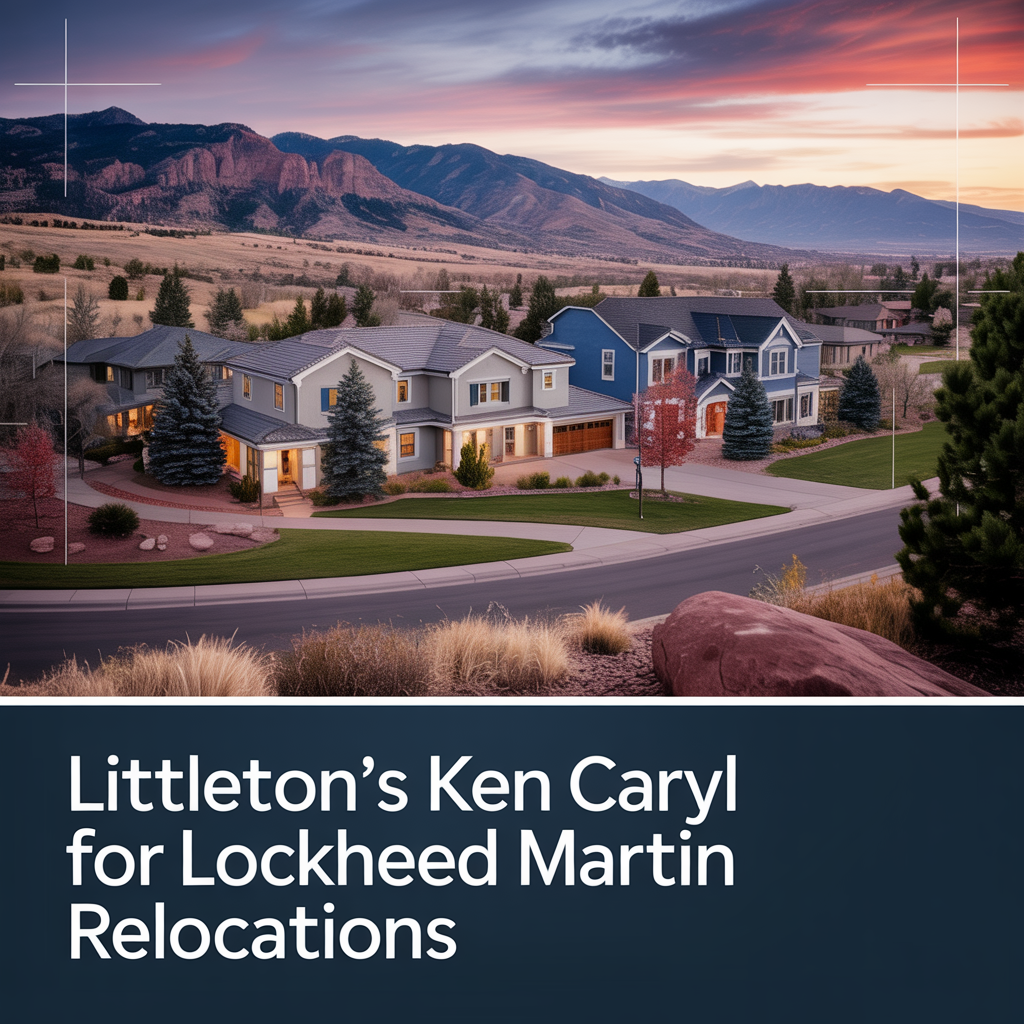
Littleton’s Ken Caryl for Lockheed Relocations
This is part of Lockheed Martin Relocation → [Lockheed Martin Relocation Hub] & the larger Denver Relocation Hub → [Denver Relocation Hub] Written by: Chad Cabalka Ken Caryl is one of the best-kept “family first” relocation options for Lockheed Martin employees who want foothills scenery, strong neighborhood appeal, and a real suburban lifestyle that still feels connected…


Centennial & Parker for Lockheed Relocations
This is part of Lockheed Martin Relocation → [Lockheed Martin Relocation Hub] & the larger Denver Relocation Hub → [Denver Relocation Hub] Written by: Chad Cabalka Centennial and Parker are two of the smartest suburban choices for Lockheed Martin employees relocating with families because they give you a strong balance of commute flexibility, good neighborhood variety, and…

Highlands Ranch for Family-Friendly Lockheed Relocations
This is part of Lockheed Martin Relocation → [Lockheed Martin Relocation Hub] & the larger Denver Relocation Hub → [Denver Relocation Hub] Written by: Chad Cabalka Highlands Ranch is one of the strongest choices for Lockheed Martin employees relocating with families because it delivers exactly what most parents want after a big move: stable neighborhoods, strong community…