



This is part of the RI Market Insights Hub → [RI Market Insights Hub] also research RI Home Buying Process→ [RI Home Buying Process] and RI Home Selling Process → [RI Home Selling Process]
Written by: Hilary Marshall
Every few weeks, I get asked the same question—sometimes quietly, sometimes nervously—“Hilary, do you think the Rhode Island housing market is going to crash?” It’s an entirely fair question. Anyone who watched the chaos of 2008 or felt the spike in prices during the pandemic years has reason to wonder what comes next.
I’ve been through market highs, lows, and everything in between here in Rhode Island, and I’ll tell you: what most people fear when they say “crash” usually isn’t what actually happens. Housing shifts here tend to be slower, more localized, and more resilient than people think. But understanding why that is matters, especially if you’re planning to buy, sell, or stay put in the near future.
The Rhode Island Market Isn’t the National Market
One of the first things I tell clients: don’t lump Rhode Island in with “the national market.” We’re small, diverse, and highly dependent on very local factors—community economies, coastal desirability, commuter access to Boston, and limited buildable land.
Providence behaves differently than Westerly or Barrington. Newport has its own rhythm governed by second-home buyers and seasonal demand. And towns like East Greenwich, Lincoln, and Cumberland have seen steady, stable demand from families trading up within Rhode Island—not from speculative investors trying to time a national cycle.
When you see national headlines predicting a housing “correction,” remember those headlines are usually based on faster-moving, high-volume markets like Phoenix, Austin, or Tampa. Rhode Island doesn’t have that kind of vertical rise or fall; our growth tends to be measured and sustained over longer periods.
What’s Actually Happening in 2026
As of early 2026, inventory across Rhode Island is still remarkably tight. Even with mortgage rates stabilizing in the high-6% range, we’re nowhere near the supply required for a sharp price drop. A balanced market here typically means around six months of listed inventory. Right now, we’re lucky if we see two.
Buyers are still out there—and serious ones at that. In Providence, well-priced listings are still going under contract within weeks, not months. In the coastal areas—Narragansett, Jamestown, and parts of Middletown—the pace has slowed slightly, but you’ll rarely find price reductions that resemble a “crash.” What we do see are small corrections based on overambitious asking prices, not systemic distress.
Sellers, for the most part, are not desperate. Most homeowners in Rhode Island refinanced into extremely low mortgage rates between 2020 and 2022. That financial cushion means few are motivated to sell under pressure, even if they’d ideally like to move. It’s one reason supply remains so tight and prices remain firm.
What People Think Matters (and What Actually Does)
When people start worrying about crashes, it’s usually based on a few familiar headlines—interest rates, national home prices, or broader economic slowdown. Those are worth watching, but they don’t always predict what happens locally.
What actually matters more in Rhode Island are these three things:
- Housing supply relative to demand. We’ve chronically underbuilt for decades. Even mild population growth, combined with a wave of millennial buyers finally reaching their prime buying years, keeps that demand steady.
- Local employment and income trends. Rhode Island’s job market has diversified—healthcare, education, logistics, and even some tech-related roles tied to the Boston corridor. That stability helps buffer local housing decisions.
- Migration and lifestyle shifts. People continue to relocate here for quality of life—proximity to water, culture, food, and reasonable commute options to larger metro areas. Those lifestyle-driven moves hold value even in fluctuating economies.
A simple but often overlooked truth: Rhode Island’s charm and limits on new housing development protect value. The small size of our towns physically limits how quickly the market can expand or contract.
Why It Feels Different Than 2020–2021
If you bought or sold during the pandemic boom, you remember the frenzy—20 offers on day one, sight-unseen bids, appraisals stretched to their limits. That was an unusual time driven by historically low mortgage rates and a sudden demand for more space.
The market today feels calmer, more rational. Sellers are pricing closer to fair value. Buyers are more selective, though still motivated when the right property appears. It’s not that the energy has disappeared—it’s that it’s normalized. In my opinion, that’s a good thing.
Some clients mistake this new balance for weakness. It’s not. The fact that we’ve transitioned from a feverish seller’s market into something steadier is healthy. The pace may feel slower, but stability is exactly what helps us avoid the kinds of sharp corrections people fear.
The Role of Providence and Urban Demand
Providence continues to serve as an anchor for Rhode Island housing trends. The city has seen ongoing investment in its neighborhoods—particularly the West End, Elmhurst, and parts of the Jewelry District. Multifamily properties, though more expensive to finance now, remain in high demand from owner-occupants looking to offset housing costs.
What’s interesting about Providence is that its market operates on both affordability and convenience. While coastal homes draw national buyers, Providence attracts professionals from Boston and Connecticut looking for value within a commuter range. That consistent inflow matters far more than national economic headlines.
We also continue to see strong rental demand across Providence County. Renters often become buyers within a few years once they’ve built local roots, feeding the next cycle of steady ownership demand.
The Coastal Story: What Keeps Values High
Rhode Island’s coastline is the envy of New England. From Westerly to Little Compton, oceanfront and near-water properties hold an inherent scarcity that insulates them from broad price drops. Yes, insurance costs and flood zone regulations have become part of the calculation, but for well-informed buyers, those are manageable tradeoffs for lifestyle and long-term equity.
Even when national markets cool, desirable coastal property remains limited. There’s always someone waiting for a home in Narragansett or Tiverton that checks the right boxes—view, access, condition, and updated systems. When supply is measured in single digits per town, a “crash” simply doesn’t fit the profile.
That doesn’t mean every listing is guaranteed a top-dollar sale. Some sellers are adjusting to more moderate appreciation. But “adjusting expectations” is not the same as a falling market. It’s the rhythm of a maturing market, not one in trouble.
What I Tell Clients Who Ask, “Should I Wait?”
I wish there were a perfect answer to that, but there never is—because the right move depends on personal timing, not market timing.
If you’re planning to buy, waiting for prices to “crash” is usually wishful thinking in Rhode Island’s context. More likely, you’ll see smaller seasonal fluctuations or neighborhood-specific opportunities. Even modest appreciation, combined with today’s level of inventory, means prices will stay fairly resilient.
What I encourage buyers to focus on is affordability and fit. If the monthly payment works and the home suits your life, that’s a better metric than predicting an impossible bottom. Especially in this state, where good properties often have unique character, waiting can mean watching the right one get away.
For sellers, it’s about positioning—accurate pricing, solid presentation, and a practical strategy. Well-prepared homes still command attention. Overpricing to “see what happens” often backfires. Buyers today are informed and cautious, and pricing realistically leads to cleaner contracts.
Looking Beyond Predictions
I’ve seen enough cycles to know that markets don’t turn on one data point. It’s a combination of small, gradual shifts layered over time. Rhode Island is not immune to national changes, but it’s consistently shown that local fundamentals—limited supply, stable demand, and strong community appeal—carry more weight here than fear-driven forecasts.
It’s also worth noting that lenders are different now than they were 20 years ago. Credit standards remain strict, and delinquencies are low. We’re not sitting on a bubble of risky loans the way we were leading into 2008. That single difference changes everything about the risk profile of today’s housing market.
The Grounded View
When people ask me, “Hilary, do you see a crash coming?” my honest answer is no—not by any definition that resembles what a crash actually means. Could prices flatten? Possibly. Could some segments see small step-backs? Sure. But a broad, steep decline across Rhode Island? The indicators simply aren’t there.
What I do see is a market evolving into its next phase—one focused on balance, quality, and lifestyle over frenzy. Rhode Island’s size, diversity, and natural limits make it surprisingly durable.
If you’re buying, buy smart and sustainably. If you’re selling, do it with strategy and preparation. If you’re staying put, keep an eye on long-term maintenance and enjoy your home. Those are the decisions that actually matter—far more than chasing or fearing headlines about a “crash.”
Get the full Rhode Island Market Insights → [Market Insights]

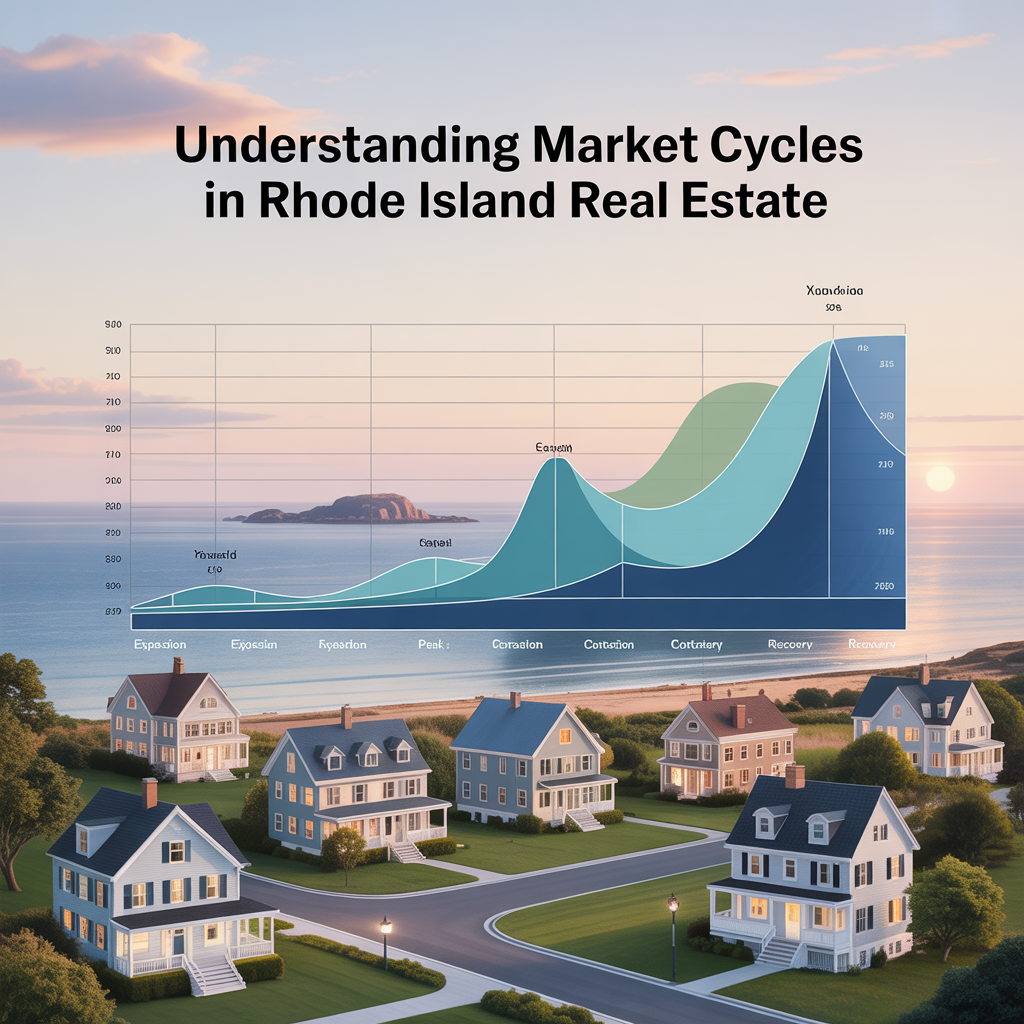
Understanding Market Cycles in Rhode Island Real Estate
This is part of the RI Market Insights Hub → [RI Market Insights Hub] also research RI Home Buying Process→ [RI Home Buying Process] and RI Home Selling Process → [RI Home Selling Process] Written by: Hilary Marshall I’ve been working with buyers and sellers across Rhode Island for over 20 years now, and one thing I’ve learned…

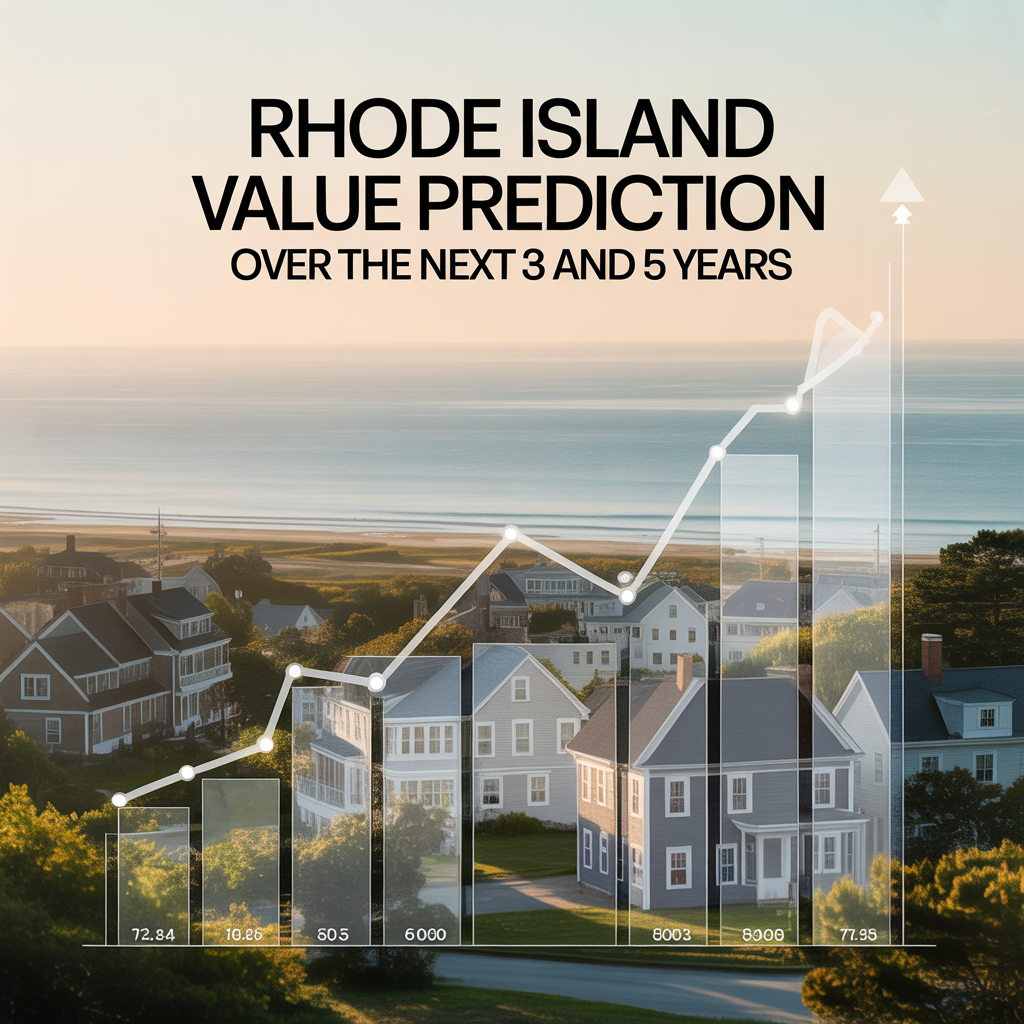
Rhode Island Value Prediction Over the Next 3 and 5 Years
This is part of the RI Market Insights Hub → [RI Market Insights Hub] also research RI Home Buying Process→ [RI Home Buying Process] and RI Home Selling Process → [RI Home Selling Process] Written by: Hilary Marshall If you’re trying to decide whether to buy, sell, or hold in Rhode Island, the most important thing to know…

How Rhode Island Home Values Have Changed Over the Last 10 Years
This is part of the RI Market Insights Hub → [RI Market Insights Hub] also research RI Home Buying Process→ [RI Home Buying Process] and RI Home Selling Process → [RI Home Selling Process] Written by: Hilary Marshall If you bought a home in Rhode Island around 2016 and haven’t tracked the numbers closely, the most important thing…