



This is part of the RI Market Insights Hub → [RI Market Insights Hub] also research RI Home Buying Process→ [RI Home Buying Process] and RI Home Selling Process → [RI Home Selling Process]
Written by: Hilary Marshall
When buyers tell me they’re “watching the Rhode Island housing market,” I usually ask a blunt follow-up: which one? The coastal market and the inland market may sit in the same tiny state, but they do not behave the same way—and if you treat them as one, you’ll misread what’s actually happening.
What I see every day is a patchwork of micro-markets that move on different timelines, respond to different pressures, and reward different strategies. Coastal Rhode Island—places like Newport, Narragansett, Jamestown, and coastal Washington County—runs on lifestyle, second-home demand, and seasonality. Inland markets closer to Providence and Warwick lean far more on affordability, commuting patterns, and year-round local demand.
Understanding the distinction isn’t academic; it’s the difference between overpaying on the coast, underpricing inland, or completely misjudging how much leverage you have as a buyer or seller.
How coastal Rhode Island really behaves
Along the shoreline, housing demand is tied to discretionary decisions: second homes, lifestyle upgrades, retirement moves, and higher-end purchases where buyers have options in multiple states. When those buyers feel confident—about rates, the stock market, or their job security—activity jumps. When they pull back, you see it quickly in coastal inventory.
Right now, coastal and second-home-heavy counties like Newport and Washington are showing softer conditions than the core inland counties. Inventory is growing faster than accepted offers, especially in the 650,000 to 1.2 million range, and you can feel that in longer days on market and more room to negotiate.
That doesn’t mean the coast is “cold.” Well-positioned homes—clean, updated, and priced in line with the last 60–90 days, not the peak of 2021—still move. But the margin for error is smaller. If you’re listing in Jamestown or Narragansett at 750,000 and above, “let’s see what we get” pricing is a good way to sit.
Another thing coastal buyers learn quickly: the sticker price is only part of the cost. Insurance, flood zones, wind exposure, and maintenance hit different near the water. The more elevated and resilient the home, the better it holds up in both storms and resale. That’s why two similar-looking homes a few blocks apart can perform very differently when it’s time to sell.
Why inland markets march to a different beat
Inland markets—think Warwick, Cranston, North Providence, Smithfield, Cumberland, and parts of Providence itself—behave more like classic New England workforce markets. They’re driven by year-round residents who need to live here, not just vacation here.
Demand clusters around price points that still work for local incomes. Across the state, most accepted offers are concentrated roughly in the 300,000 to 500,000 band, where monthly payments still pencil out for typical Rhode Island buyers. That reality keeps inland micro-markets more balanced and less “boom-bust” than the coast.
Even as the broader market has cooled from the frenzy years, places close to jobs and highways—Providence, Warwick, and other Providence-area suburbs—remain competitive at the mid-price levels. Inventory is still tight, days on market are relatively normal, and a well-priced home under about 550,000 in these towns can still attract strong interest.
This is also where spillover demand from Boston and other high-cost metros shows up. Providence and the surrounding inland towns continue to function as a refuge for buyers who are priced out of their own coastal regions but still want commutability and amenities.
The three big forces that separate coast from inland
From my vantage point, three forces really separate the coastal micro-markets from the inland ones:
First is the role of discretionary money. Coastal markets depend heavily on second-home buyers, investors, and higher-income households making lifestyle purchases. When rates rise or stock portfolios wobble, those buyers can simply pause. That’s why you see higher active-to-pending ratios and early “hyper-supply” signs along the shoreline in the upper price bands.
Inland, most buyers don’t have the luxury of waiting forever. They get married, have kids, change jobs, or face a lease ending. Housing is a need, not a “nice to have,” so even when conditions soften a bit, there’s a baseline of steady demand that keeps these markets closer to balance.
Second is the constraint of geography and zoning. Rhode Island is small, new construction is limited, and zoning rules can make adding meaningful supply tough in both coastal and inland areas. But the impact feels sharper on the coast, where buildable land is scarce and a higher share of homes are tied up in long-term or legacy ownership. That amplifies price movements when demand spikes.
Third is risk perception. Near the water, buyers are factoring in flood risk, insurance volatility, and long-term climate questions. Inland buyers care more about commute, schools, and basic affordability. Both groups worry about cost, but the nature of that cost is different—and that’s why their behavior diverges.
What people think matters vs what actually does
One of the patterns I see over and over: buyers putting weight on the wrong variables.
On the coast, people tend to fixate on view and distance to the beach. Don’t get me wrong—those matter. But what really protects you in Rhode Island is a combination of elevation, condition, and carrying costs. A well-sited home a few streets back, with newer systems and manageable insurance, can be a much safer bet than the postcard-perfect front-row cottage that bleeds money every year.
In inland markets, buyers often obsess over getting the “perfect” town name instead of focusing on the fundamentals: commute time, payment comfort, and property condition. I’ve seen buyers skip over solid opportunities in places like Warwick, Cumberland, or North Providence because they’re chasing a specific coastal town or a name they saw in a ranking list. Later, they realize the inland markets offered better long-term stability and less competition.
Sellers also misjudge what matters. Coastal sellers assume the water does all the work; inland sellers assume their area is “too average” to command strong offers. In reality, inland homes that are clean, efficient, and well-priced are still outperforming many overpriced coastal listings sitting in the 700,000-plus bracket.
How I adjust strategy between coastal and inland
When I’m advising a coastal seller, my first job is to strip away nostalgia pricing. The peak of the pandemic market is gone. We look closely at the current absorption rate in that specific town and price band—if a coastal area has more than twice as many actives as pendings over 700,000, you cannot treat it like a tight seller’s market. Condition, presentation, and honest pricing matter more than ever.
For inland sellers, the conversation is different. The goal is to respect buyers’ budget sensitivity while still leaning into the fact that demand in key price bands is steady. We can be firm but realistic—expect more contingencies, inspection requests, and some negotiation, but know that the buyer pool is deep enough to support well-positioned listings.
On the buyer side, I coach coastal buyers to build in a cushion for ongoing costs and to consider slightly less obvious pockets where the fundamentals are better than the Instagram shot. For inland buyers, I focus on timing, pre-approval strength, and setting a clear ceiling before they start competing in hot price brackets.
A practical way to decide where you belong
If you’re trying to choose between coastal Rhode Island and inland Rhode Island, I usually bring it back to three questions.
First: is this primarily a lifestyle purchase or a life-need purchase? If it’s lifestyle, you’re in coastal territory. That means you need to accept more volatility, more complexity around insurance and maintenance, and the real possibility of slower resale in softer cycles. If it’s life-need—school district, commute, family—then inland markets probably serve you better, and you should treat them like the core of your long-term plan.
Second: how sensitive are you to month-to-month carrying cost changes? If a spike in premiums or utilities would keep you up at night, be cautious on the coast. Inland markets still face affordability challenges, but they tend to offer more predictable costs and slightly less exposure to regulatory or climate surprises.
Third: how long do you realistically expect to hold the property? Coastal homes can reward long holding periods and thoughtful updates, but they’re not always forgiving in short windows. Inland homes, particularly around Providence and Warwick, benefit from steady demand as the metro continues to function as a refuge from higher-priced regions.
The reassurance I give my clients
The headline version of Rhode Island real estate can be confusing: “market softening,” “prices still rising,” “inventory up,” “inventory still tight.” The truth is, all of those can be true at once when you zoom in on coastal versus inland micro-markets.
What I tell my clients is simple: stop asking whether “the Rhode Island market” is good or bad, and start asking which part of it you’re actually in. Once you understand how your specific corner behaves—coastal or inland, primary or second-home-driven, entry-level or upper band—you can make calm, grounded decisions instead of reacting to broad headlines.
Coastal and inland Rhode Island are two sides of the same small state, but they move to different rhythms. If you respect those rhythms, and plan around them instead of fighting them, you can buy or sell here with a lot more confidence—and a lot less noise.
Get the full Rhode Island Market Insights → [Market Insights]

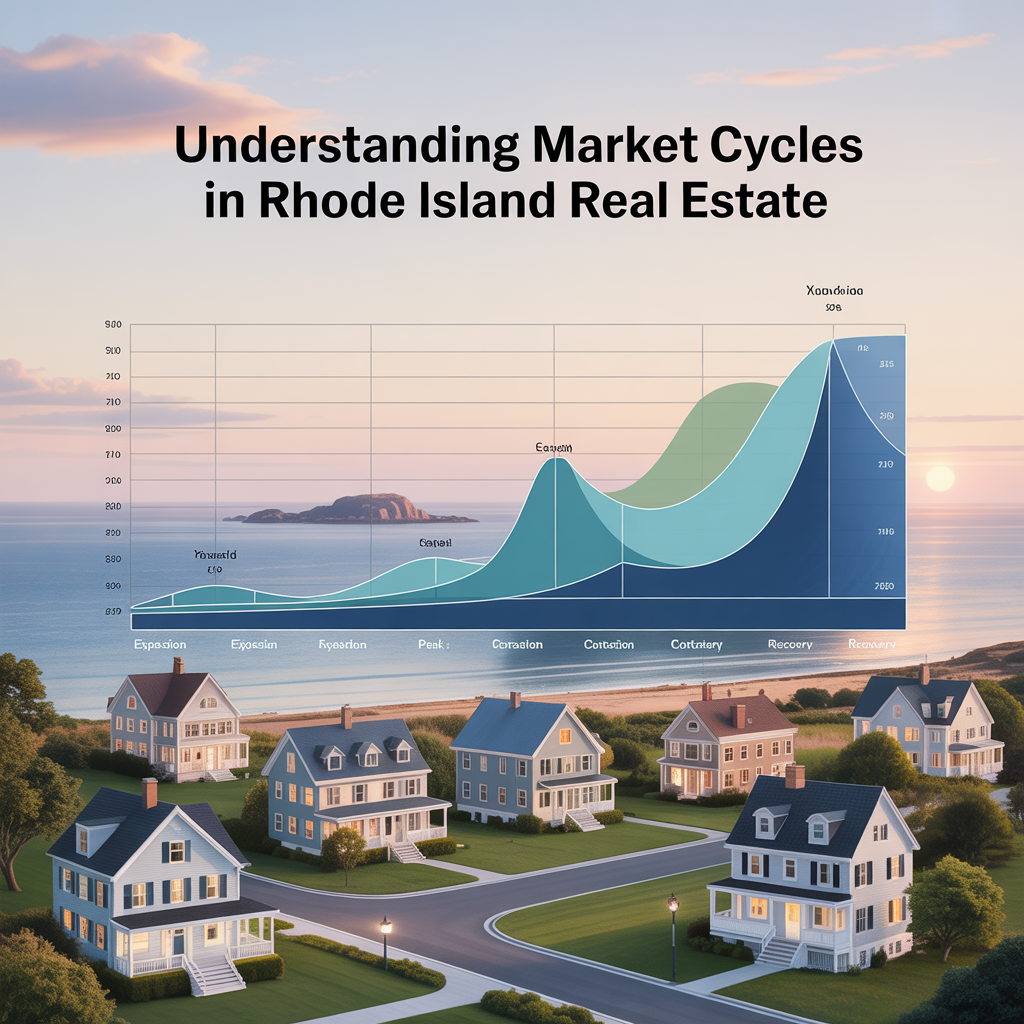
Understanding Market Cycles in Rhode Island Real Estate
This is part of the RI Market Insights Hub → [RI Market Insights Hub] also research RI Home Buying Process→ [RI Home Buying Process] and RI Home Selling Process → [RI Home Selling Process] Written by: Hilary Marshall I’ve been working with buyers and sellers across Rhode Island for over 20 years now, and one thing I’ve learned…


Is There Any Indication of a Coming Market Crash in Rhode Island
This is part of the RI Market Insights Hub → [RI Market Insights Hub] also research RI Home Buying Process→ [RI Home Buying Process] and RI Home Selling Process → [RI Home Selling Process] Written by: Hilary Marshall Every few weeks, I get asked the same question—sometimes quietly, sometimes nervously—“Hilary, do you think the Rhode Island housing market…
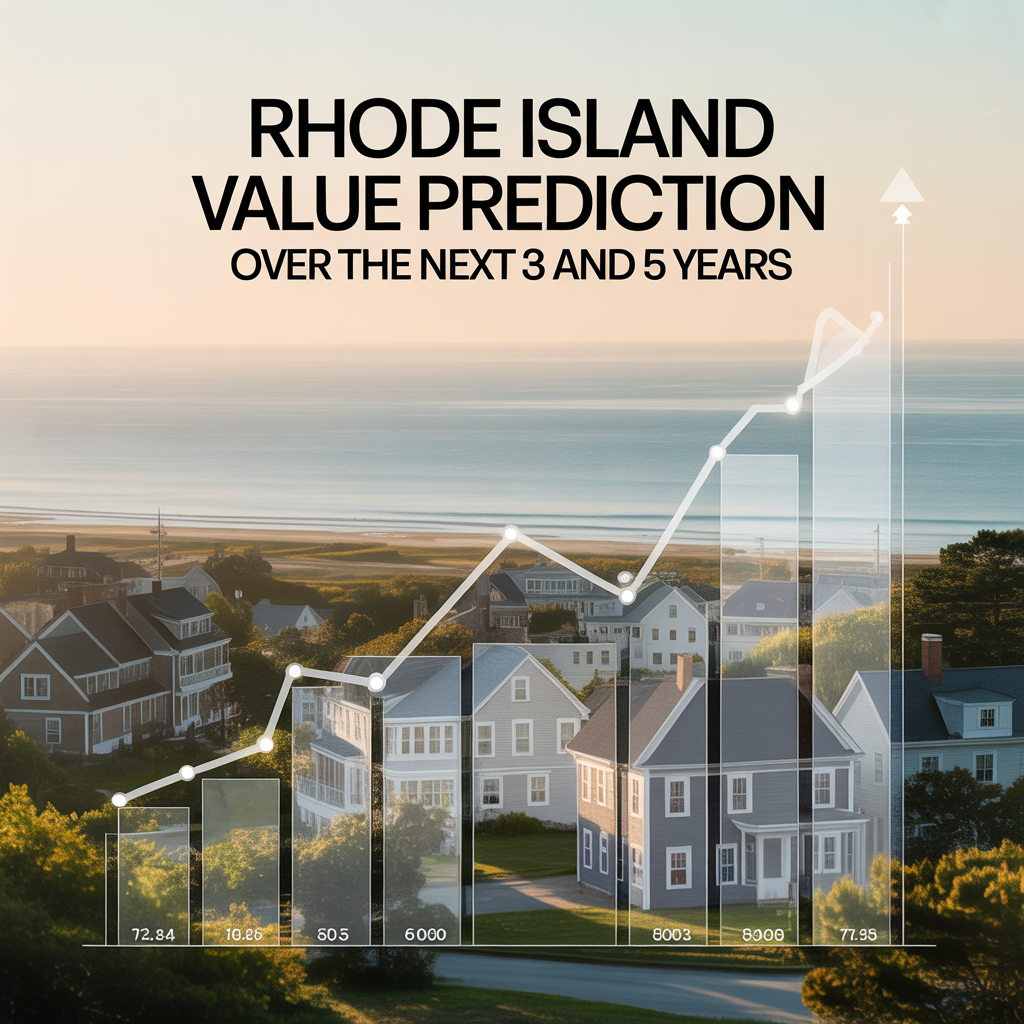
Rhode Island Value Prediction Over the Next 3 and 5 Years
This is part of the RI Market Insights Hub → [RI Market Insights Hub] also research RI Home Buying Process→ [RI Home Buying Process] and RI Home Selling Process → [RI Home Selling Process] Written by: Hilary Marshall If you’re trying to decide whether to buy, sell, or hold in Rhode Island, the most important thing to know…