



This is part of the RI Home Buying Process→ [RI Home Buying Process] also research the RI Home Selling Process → [RI Home Selling Process]
Written by: Hilary Marshall
If you’ve started asking yourself how much money it really takes to buy a home in Rhode Island, you’re already a step ahead of most buyers. I talk to people every week who are serious about owning here but unsure where to start, because no one gives a straight answer. The truth is, there isn’t just one number. It depends on the kind of home, the community, the financing strategy, and most importantly, what your comfort zone looks like once that monthly payment starts coming out of your account.
I’ve worked with first-time buyers, relocating families, and downsizers across our state — from Providence to Barrington, Wickford to Westerly — and I’ve learned that “how much money do I need?” usually means, “how do I plan for this without making a mistake I’ll regret?” So let’s talk about what actually goes into that number.
Understanding Rhode Island’s Market Today
Rhode Island’s housing market has its own rhythm. We’re small, and that means inventory changes fast and neighborhoods have distinct personalities. In Providence, for example, you can still find condos under $400,000, but single-family homes in established areas like Elmhurst or the East Side easily push $600,000 to $900,000 — higher for anything that’s turnkey or near Brown or RISD.
Once you head south or along the coast, things shift. In Warwick or Cranston, buyers can still find solid single-family homes in the mid-$400s. But the moment you’re near the water — Barrington, Jamestown, Narragansett, South Kingstown — the starting point jumps significantly. A move-in-ready home near the beach can mean $800,000 to well over $1 million, and that’s before you factor in flood insurance or coastal maintenance costs.
So, when we’re talking about how much money you need, it’s really about matching what you want with what’s realistic in that specific pocket of the market.
The Down Payment: Where People Get Tripped Up
This is the part most buyers overthink or misunderstand. Everyone has heard the “20% down” rule, but it’s just that — a rule of thumb, not a requirement. In Rhode Island, many of my clients put down anywhere from 5% to 15%, depending on the loan program, property type, and their financial strategy.
A first-time buyer purchasing a $450,000 home in Warwick, for instance, might put 5% down — about $22,500. Add closing costs (more on that below), and the total out-of-pocket to close could be around $30,000–$35,000. On the other hand, a buyer purchasing a $900,000 coastal home with 15% down is looking closer to $135,000, plus higher taxes and insurance.
I always tell clients: it’s not about how much you can put down, it’s about how much you should while keeping a reasonable cushion for maintenance and life. Rhode Island weather alone will remind you that homeownership isn’t a “set it and forget it” situation. Between snow removal, heating oil, roof upkeep, and the occasional Nor’easter cleanup, your savings buffer matters more than a slightly lower monthly payment.
Closing Costs and Ongoing Expenses
This is where sticker shock often happens. Your down payment isn’t the whole story — far from it. Rhode Island buyers typically spend around 2% to 4% of the purchase price in closing costs. That covers things like lender fees, attorney fees, insurance, and prepaid taxes.
If you’re buying a $500,000 home, closing costs might add another $10,000 to $20,000. Some lenders offer credits, and occasionally sellers contribute, but in this market — especially in multiple-offer situations — most buyers cover their own.
Then there are recurring costs people forget to plan for: property taxes, utilities, insurance, HOA fees (for condos or certain communities), water bills, and any home improvements on your wish list.
Rhode Island taxes vary widely. I’ve seen clients in Providence pay around $5,000–$7,000 annually for a mid-priced home, while a comparable property in Barrington or Narragansett could range from $8,000 to $12,000 or more. It’s not arbitrary — local town budgets, school systems, and services all factor into it. I always suggest looking at those numbers up front, not after you fall in love with a listing.
What Actually Matters vs. What People Think Matters
A lot of buyers obsess over the interest rate or whether a listing has been on the market for a certain number of days. Those things have their place, but they’re not what make or break your success.
What actually matters in Rhode Island is understanding timing and fit. The inventory here is tight, and our offer deadlines can feel more like New York than New England. If you find a property that aligns with your goals and budget, hesitation can cost you — but rushing can too.
I’ve guided clients who waited for “rates to come down” only to watch prices climb faster than any savings they’d gain from a lower rate. Others jumped too quickly for fear of missing out and ended up stretched thin when real expenses — heating, insurance, taxes — kicked in.
The right move comes from having a clear plan and knowing your personal numbers, not just the market data. When my clients and I sit down, we work through both the math and the mindset. That’s how you avoid regret, and frankly, that’s how you buy confidently in a state like ours where every block or shoreline tells a different story.
The Local Realities That Outsiders Sometimes Miss
I’ve had buyers move here from Boston, Connecticut, and even Florida expecting a certain price structure based on national trends or what they’ve read online. Rhode Island doesn’t work that way.
For one, older homes dominate much of our inventory. It’s common to see a beautiful early-1900s colonial with updated systems but quirky layouts or historic windows that need custom replacement. Those details matter more than people think when planning your budget.
Coastal towns present another factor: flood zones. FEMA maps, elevation certificates, and flood insurance can completely shift your affordability. I’ve seen insurance quotes swing from $1,500 to $6,000 a year based solely on how a home sits relative to the waterline. If you’re buying in Middletown, Narragansett, or Wickford, talk to your lender early about projected insurance costs and factor them into your pre-approval range.
And then there’s energy cost. Rhode Island’s utilities tend to run higher than the national average. I always recommend reviewing previous energy bills (most sellers will provide them) before finalizing your offer, especially on larger or older properties. It’s not the glamorous part of home buying, but it’s the kind of detail that defines whether “comfortable” ownership stays that way over time.
A Practical Framework for Deciding What You Can Afford
When someone tells me they’re “approved for up to $700,000,” I don’t treat that as a goal — I treat it as a ceiling. The real question is: what price level keeps your monthly payment, taxes, and utilities within a range that lets you breathe?
I usually encourage clients to build a simple model:
- Estimate your take-home income per month.
- Subtract your consistent personal expenses (student loans, kids’ activities, car payments, etc.).
- Look at what’s left and decide what portion you’d comfortably allocate to housing, not what the bank says you can.
This approach changes everything. It’s not about squeezing into the maximum house you can qualify for — it’s about buying in a way that fits your lifestyle. For many Rhode Island buyers, that decision determines not only which town they end up in, but how they feel about it five years later.
If you know you love the East Bay but can’t justify Barrington prices yet, that’s where towns like Warren or Bristol become smart, realistic choices. They have character, accessible downtowns, and water views without the same pressure. It’s all about understanding where your comfort line meets your priorities.
The Emotional Side No One Talks About
I’ve been doing this long enough to see how emotional this process really is. People worry they’re missing the window or that they’ve “waited too long.” Others feel embarrassed if their down payment isn’t as high as what they think it should be.
Here’s what I remind every buyer: there’s no one-size-fits-all way to do this. What matters is financial stability and peace of mind — not showing up with a certain percentage or competing in a status game that no one wins.
Rhode Island’s market moves fast, but it’s still deeply local. Offers here are reviewed by real people who value thoughtful buyers with clean, clear offers. You don’t need to outflash anyone — you just need to show you’re ready and grounded.
Final Thoughts
So, how much money do you need to buy a home in Rhode Island? Enough to make the numbers work not just on paper, but in your real life. Enough to own comfortably, maintain responsibly, and still enjoy the very reasons you wanted to live here in the first place — whether that’s weekends in Newport, evening walks in Providence, or quiet mornings by the Bay.
I’ve seen clients build generational wealth here starting modestly, and I’ve seen others walk away from deals that weren’t right and thank themselves later. It’s not about the dollar amount — it’s about the decision-making.
If you leave this article remembering one thing, let it be this: the Rhode Island market rewards preparation, patience, and honesty about what feels right. Once you’re clear on that, everything else — the down payment, the budget, the search — starts to fall into place.
Get the full Rhode Island Market Insights → [Market Insights]

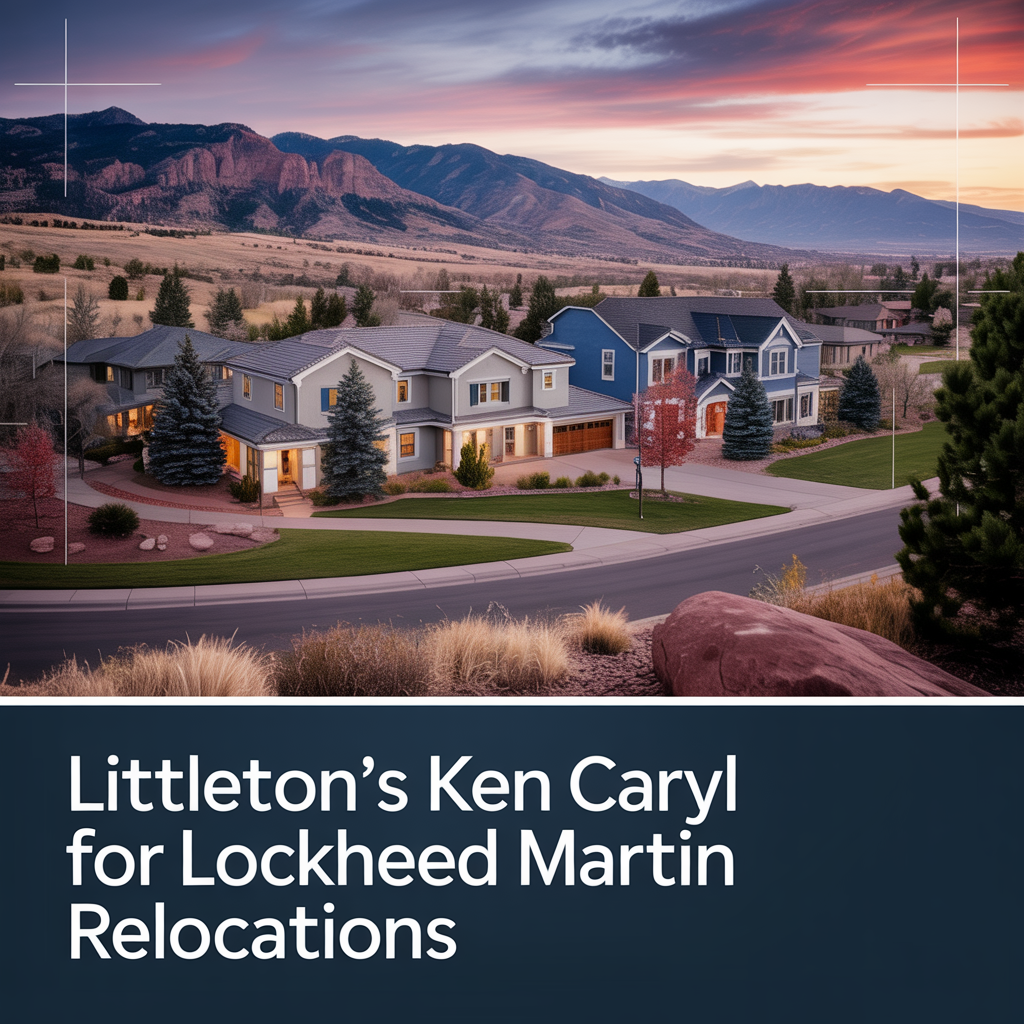
Littleton’s Ken Caryl for Lockheed Relocations
This is part of Lockheed Martin Relocation → [Lockheed Martin Relocation Hub] & the larger Denver Relocation Hub → [Denver Relocation Hub] Written by: Chad Cabalka Ken Caryl is one of the best-kept “family first” relocation options for Lockheed Martin employees who want foothills scenery, strong neighborhood appeal, and a real suburban lifestyle that still feels connected…


Centennial & Parker for Lockheed Relocations
This is part of Lockheed Martin Relocation → [Lockheed Martin Relocation Hub] & the larger Denver Relocation Hub → [Denver Relocation Hub] Written by: Chad Cabalka Centennial and Parker are two of the smartest suburban choices for Lockheed Martin employees relocating with families because they give you a strong balance of commute flexibility, good neighborhood variety, and…

Highlands Ranch for Family-Friendly Lockheed Relocations
This is part of Lockheed Martin Relocation → [Lockheed Martin Relocation Hub] & the larger Denver Relocation Hub → [Denver Relocation Hub] Written by: Chad Cabalka Highlands Ranch is one of the strongest choices for Lockheed Martin employees relocating with families because it delivers exactly what most parents want after a big move: stable neighborhoods, strong community…