



This is part of Centennial Lifestyle Guide → [Centennial Lifestyle Hub] & Centennial Real Estate Guide → [Centennial Real Estate Guide]
Written by: Chad Cabalka
Cherry Creek State Park is one of the main anchors of east‑side life for Centennial and southeast Aurora residents. If you live on this side of town, how you use the park week in and week out often says more about your lifestyle than almost any other amenity choice you make.
What Cherry Creek State Park Offers Day to Day
Cherry Creek State Park is a roughly 4,200‑acre prairie and reservoir park sitting just east of I‑225, with an 880‑acre lake at its center and about 35 miles of multi‑use trails. It’s open year‑round and supports everything from casual walking and biking to camping, boating, paddleboarding, horseback riding, birding, and winter activities. Facilities include campgrounds, a marina, boat ramps, a swim beach, a large off‑leash dog area, a model airplane field, and even a full shooting center on the south side.
For nearby residents, that variety means the same park can fill completely different roles depending on your season of life. Young professionals might mostly use the paved loops for running or cycling, families lean on the swim beach and picnic areas in the summer, and retirees might favor quiet weekday walks and wildlife watching in the less busy corners of the park.
East‑Side Rhythms: How Locals Actually Use It
On the east side of the metro area, Cherry Creek functions less like a “special trip” and more like a backyard for those who live close enough. Morning regulars walk or bike the 4.75‑mile Cherry Creek Trail segment inside the park, which is paved, relatively flat, and open to walkers, runners, cyclists, and horseback riders. Evening users often do shorter loops near the dam, marina, or wetlands, catching sunsets over the water with the Front Range as a backdrop.
In summer, the reservoir becomes a core weekend pattern for boaters, jet‑skiers, and paddleboarders, with rentals available through the marina for those who don’t own equipment. Families build entire days around the swim beach, picnic shelters, and nearby playgrounds, especially now that the beach facilities have been upgraded and host educational programming. On the quieter southern end, where much of the park is managed as wildlife preserve, locals slip in for low‑traffic walks and birding, spotting everything from deer and coyotes to hawks, herons, and wintering bald eagles.
The “Park Pass” Lifestyle and Access Patterns
One of the most telling east‑side lifestyle choices is whether you build the annual pass into your routine. A daily vehicle entry runs about ten dollars if you pay per visit, while annual state parks passes attached to your registration give year‑round access and are heavily used by frequent visitors. For east‑side households that boat, camp, or are out on the trails weekly, that pass isn’t a luxury; it’s part of the baseline budget.
Because park hours typically run from early morning to late evening, people fold visits into normal days rather than treating the park as a once‑a‑month outing. You see before‑work runs, quick after‑school trips to the dog off‑leash area, and simple “we’ve all been inside too long” family drives that turn into short walks or impromptu picnics. Park staff report more than 2 million visits per year, with the heaviest crowds on summer weekends, so savvy locals often favor early mornings, weekday evenings, or shoulder seasons to avoid congestion.
That rhythm shapes daily life: if you live nearby and use Cherry Creek smartly, you get big‑nature access without big‑drive logistics. If you’re farther out or only visit on peak Sundays in July, your experience will feel more like a crowded destination and less like the calm, everyday oasis locals rely on.
East‑Side Neighborhoods and Park‑Proximity Tradeoffs
From a housing perspective, the park’s presence is a major quality‑of‑life driver for Aurora and Centennial’s east‑side neighborhoods. Properties with quick access to the south and east entrances — including those near Smoky Hill, Parker Road, and the adjacent trail network — effectively gain a giant “borrowed backyard.” Without needing acreage of your own, you can walk, ride, or drive a few minutes to water, open space, and miles of trail.
That proximity also influences weekly patterns. East‑side families may choose Cherry Creek for birthday gatherings at reservable picnic sites, scout and school events, dog meetups at the off‑leash area, or informal sunset drives to the dam overlook. As kids get older, the same park that hosted stroller walks becomes the place for teen bike rides, high‑school cross‑country training, or learning water skills on paddleboards or small sailboats. When you stack those experiences over ten or twenty years, the park becomes part of the family story in a way that’s very specific to east‑side living.
For buyers, this means two things. First, you don’t necessarily need a huge yard if you’re the type who will use Cherry Creek weekly; the park can carry a lot of the outdoor load. Second, you do need to be honest about your own habits: if you’re unlikely to get up early or avoid crowded hours, it may play a smaller role than you think, and you might value other neighborhood amenities more in daily life.
Crowds, Wildlife, and Seasonal Personality
Cherry Creek has distinct seasons, and east‑side residents learn to work with them. Summer brings the highest visitation, especially on Sundays, with busy boat ramps, a popular swim beach, and full campgrounds. In those months, locals often pivot to early morning or later‑evening walks, or favor the quieter wildlife‑oriented southern zones instead of the main beach and marina.
Fall and spring offer some of the best all‑around conditions: cooler temperatures, fewer crowds, and strong wildlife viewing as birds migrate and mammals become more active. Winter use shifts toward walking, cross‑country skiing, and snowshoeing on snowy days, with the reservoir perimeter and prairie landscape offering a different kind of beauty than the summer lake scene. East‑side residents who embrace those shifts tend to feel like they have four parks in one — a busy summer lake, a quiet off‑season wildlife refuge, a winter exercise loop, and a spring‑fall walking and biking network.
Wildlife is a constant thread. The park supports more than 40 mammal species and over 170 bird species, including rabbits, coyotes, deer, waterfowl, raptors, and occasional bald eagles. For many east‑side homeowners, regular encounters with wildlife just a short drive from home are part of what makes living near Cherry Creek feel different from more built‑out parts of the metro.
How to Think About Cherry Creek When You’re Choosing Where to Live
When I talk with buyers looking on the east side, I encourage them to treat Cherry Creek State Park as a daily‑use question, not a brochure feature. Ask yourself:
- Can you see yourself going there on a random Tuesday, not just on holidays?
- Are you the type to run or bike from home, or will you always drive to an entrance?
- Do you imagine using the water — boating, paddleboarding, swimming — or mostly the trails and open space?
If you can picture specific routines — a quick evening loop with the dog, Saturday mornings at the beach with kids, or regular runs from your front door to the dam and back — then living closer to the park will probably pay off for you emotionally year after year. If it feels more like “nice to have, maybe once or twice a summer,” then it’s a perk, but you might prioritize other aspects of east‑side living more heavily, like school patterns, commute routes, or neighborhood retail.
For long‑time residents of Centennial and southeast Aurora, Cherry Creek State Park often shifts from “big local attraction” to “trusted backdrop” — the place you go to reset, celebrate, and reconnect with nature without leaving the city. That’s the heart of the east‑side lifestyle: not dramatic mountain adventures every weekend, but consistent, easy access to real open space woven into ordinary days.
If you’re trying to figure out how strongly Cherry Creek should factor into your next housing decision — whether you’re moving closer to the park, weighing neighborhoods on the east side, or just wanting to use it more intentionally where you already live — I’m always happy to sit down and talk it through. We can look at your actual routines, not just your wish list, and line up a part of Centennial or Aurora where the park feels like a natural extension of your life, not just a dot on a map.
Get the full Denver Market Insights → [Market Insights]


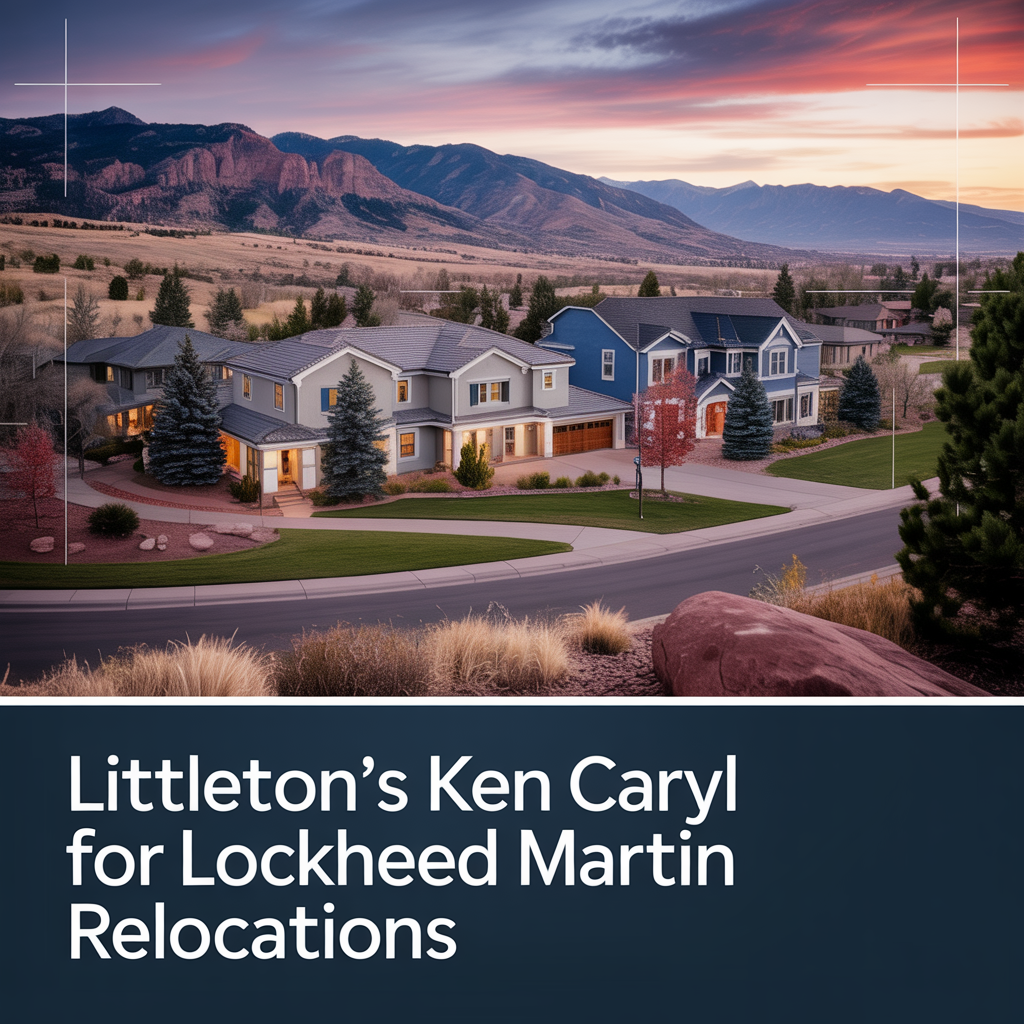
Littleton’s Ken Caryl for Lockheed Relocations
This is part of Lockheed Martin Relocation → [Lockheed Martin Relocation Hub] & the larger Denver Relocation Hub → [Denver Relocation Hub] Written by: Chad Cabalka Ken Caryl is one of the best-kept “family first” relocation options for Lockheed Martin employees who want foothills scenery, strong neighborhood appeal, and a real suburban lifestyle that still feels connected…


Centennial & Parker for Lockheed Relocations
This is part of Lockheed Martin Relocation → [Lockheed Martin Relocation Hub] & the larger Denver Relocation Hub → [Denver Relocation Hub] Written by: Chad Cabalka Centennial and Parker are two of the smartest suburban choices for Lockheed Martin employees relocating with families because they give you a strong balance of commute flexibility, good neighborhood variety, and…

Highlands Ranch for Family-Friendly Lockheed Relocations
This is part of Lockheed Martin Relocation → [Lockheed Martin Relocation Hub] & the larger Denver Relocation Hub → [Denver Relocation Hub] Written by: Chad Cabalka Highlands Ranch is one of the strongest choices for Lockheed Martin employees relocating with families because it delivers exactly what most parents want after a big move: stable neighborhoods, strong community…