


This is part of Centennial Lifestyle Guide → [Centennial Lifestyle Hub] & Centennial Real Estate Guide → [Centennial Real Estate Guide]
Written by: Chad Cabalka
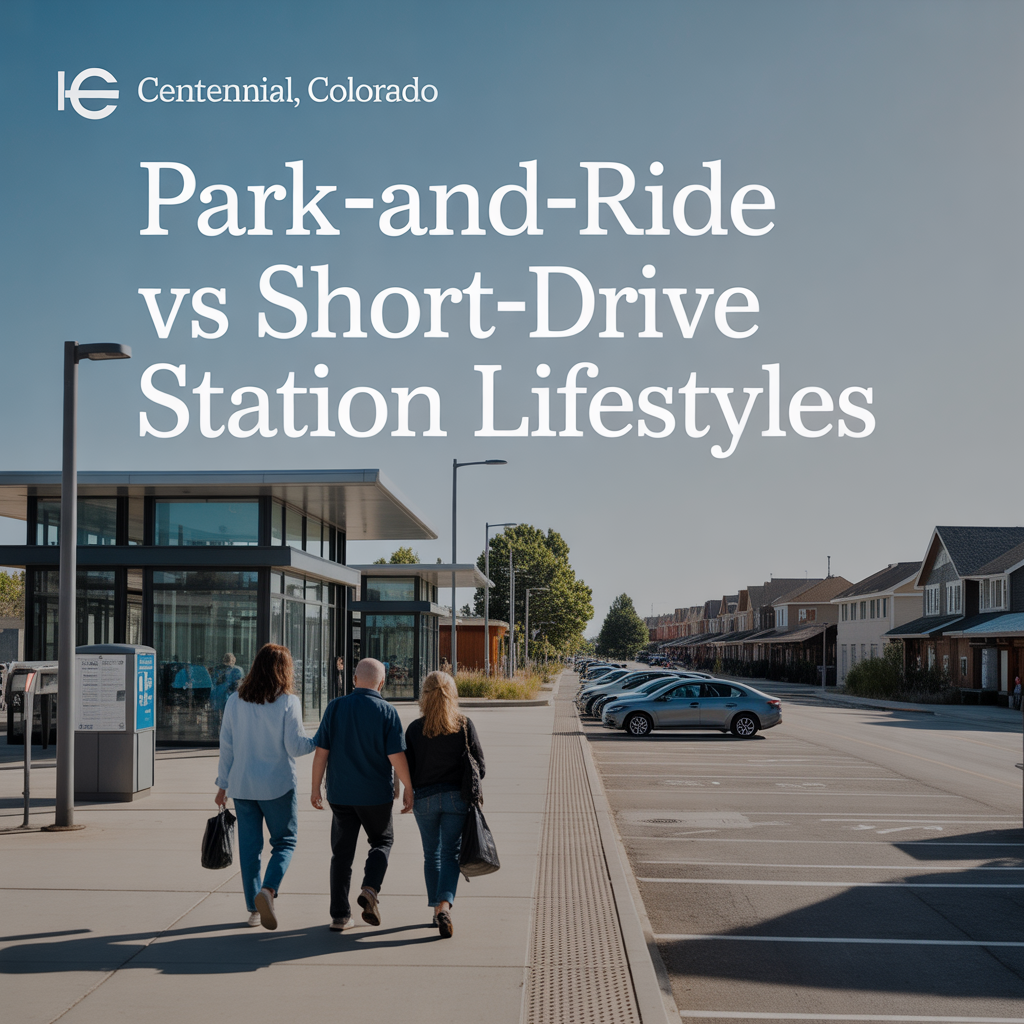
Around Centennial, most people interface with light rail and express buses through the big parking lots at Dry Creek, County Line, Lincoln, and Arapahoe at Village Center. These facilities are designed for exactly that pattern: you drive in, park, walk a short distance to the platform or bus stop, and leave your car all day while you head into the DTC or downtown. Dry Creek Station, for example, sits on East Dry Creek Road in Centennial with a few hundred parking spaces and bike racks, explicitly built to serve south‑suburban commuters.
Day to day, that lifestyle feels like a hybrid between driving and rail. Your morning still starts with a car trip, but once you’re parked, your stress level typically drops — no more watching brake lights on I‑25, no more guessing which lane will move fastest. You learn the train schedule to downtown or the DTC, settle into a routine, and your “commute brain” shifts from reacting to traffic to reading, catching up on email, or just zoning out. On the way home, you reverse the pattern: train back, short walk to the lot, predictable drive to your neighborhood.
Over months and years, the upsides are predictability and flexibility. You can time your arrival at the lot to avoid freeway peaks, adjust your departure one train earlier or later if work runs long, and know your car is exactly where you left it. The trade‑off is that you can’t just walk out your front door and be on the platform; every trip still entails that first and last car leg. On storm days or when the lots fill up near big events, those edges become the friction points you notice most.
What a Short‑Drive or Walk‑Up Station Life Feels Like
Living in a part of Centennial or adjacent Greenwood Village/Lone Tree where you’re five to seven minutes from a station — or realistically able to walk or bike — changes the equation. Dry Creek Station, Arapahoe at Village Center, Orchard, and County Line all sit close enough to housing that, if you pick the right pocket, the station becomes part of your neighborhood rather than a separate destination.
In that pattern, the station feels more like a gateway than a parking lot. Instead of thinking, “I have to go to the park‑and‑ride,” you think, “I’ll just swing by Dry Creek and hop on.” A five‑minute surface‑street drive with easy turns and familiar traffic lights, or a bike route that cuts through greenbelts and business parks, keeps the mental load low. The closer you are, the more likely you are to use rail for non‑commute trips — ball games, downtown dinners, airport connections via transfer — because the barrier to entry is small.
Over time, that proximity shows up in subtle ways. You might:
- Choose to keep one car instead of two in a couple household.
- Say yes to downtown events more often because the trip feels easy.
- Build routines where you walk or bike to the station on good‑weather days and only drive when you’re tired or it’s dark.
It also affects resale: buyers who value transit access will quickly note “5 minutes to Dry Creek” or “easy walk to Arapahoe at Village Center” as a meaningful plus, even if they only expect to use it a few days a week.
The Emotional Difference Between the Two
On paper, park‑and‑ride and short‑drive station lifestyles can look similar — both involve driving to a station, both involve riding the same trains. In lived experience, they feel quite different.
Park‑and‑ride life often feels like “driving, then riding.” You’re very aware of the car leg, you plan around parking, and you treat transit mainly as a commute tool. If you’re more than 10–15 minutes from the station in traffic, you may start skipping the train on days when you’re tired, running late, or facing bad weather, because the combined time doesn’t feel worth it.
Short‑drive or walk‑up life, by contrast, often feels like “riding with a small car assist.” The station is close enough that you don’t have to psych yourself up to use it, and you may mentally treat downtown, the DTC core, or even the airport (with a transfer) as part of your practical range rather than “big trips.” The same 30–40 minute train ride feels different when you’ve only spent five calm minutes getting to the platform instead of 20 white‑knuckled minutes in freeway traffic.
There’s also a security and logistics angle. Park‑and‑ride users think more about where they leave the car, how late they’ll get back, and what the lot feels like at night. People who can walk or bike from home through well‑lit streets or mixed‑use areas often feel more comfortable coming back from an evening game or show, because the last leg doesn’t involve returning to a remote lot alone.
How to Decide Which Fits Your Life Better
When I talk this through with south‑metro clients, I usually frame it less as “which is better?” and more as “which matches your reality?” A few questions that make the trade‑offs clearer:
- How often will you really use rail?
If you’re heading downtown four to five days a week, shaving even ten minutes off the station leg adds up. In that case, short‑drive proximity (or walkability) matters a lot. If you’ll ride once or twice a month for events, a slightly longer drive to a park‑and‑ride is usually fine. - Are you willing to pay for or manage parking downtown?
If the answer is “no,” then rail plus a park‑and‑ride is already an upgrade over driving all the way in. The question becomes how much daily friction you’re willing to tolerate on the neighborhood‑to‑station part. - Do you like the idea of a car‑lite lifestyle?
If you’re comfortable driving everywhere and you like your car time, park‑and‑ride access is often enough. If you’re actively trying to minimize driving — to save money, reduce stress, or cut down on a second vehicle — then being very close to Dry Creek, County Line, Lincoln, or Arapahoe at Village Center is worth prioritizing when you choose a neighborhood. - What does your evening life look like?
If you expect a lot of late returns from downtown, the idea of walking or biking a few quiet blocks home might feel much better than climbing into a cold car in a big lot. If most of your train use will be daytime, that may matter less.
In practical terms, I see park‑and‑ride as a “commuter’s tool” and short‑drive station proximity as a “lifestyle feature.” Both add value, but they serve different goals.
If you’d like to look at specific pockets of Centennial — which ones make park‑and‑ride the least painful, and which ones make a station feel like an extension of your front door — I’m happy to walk that with you block by block. We can match your actual work schedule, comfort with driving, and how often you see yourself on the train, so you end up in a neighborhood where the transit options feel like a relief, not a chore.
Get the full Denver Market Insights → [Market Insights]


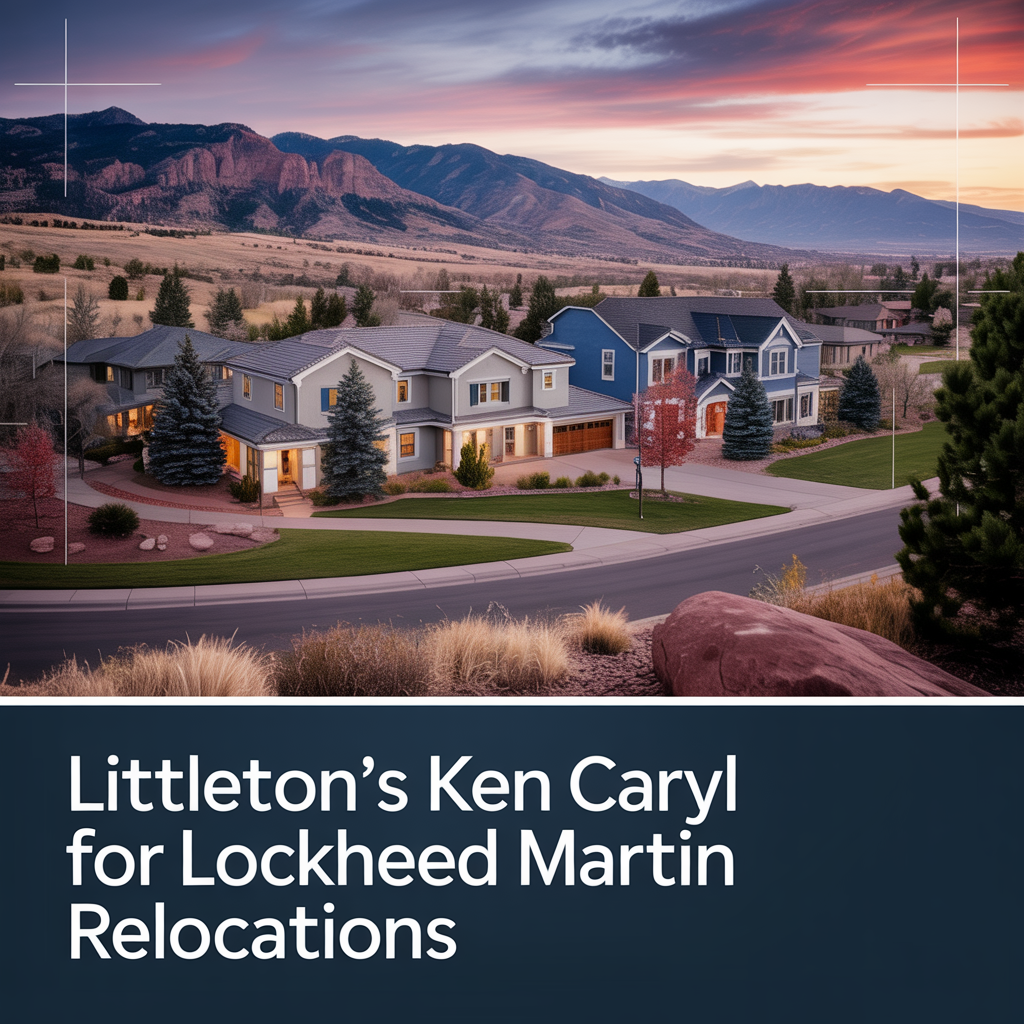
Littleton’s Ken Caryl for Lockheed Relocations
This is part of Lockheed Martin Relocation → [Lockheed Martin Relocation Hub] & the larger Denver Relocation Hub → [Denver Relocation Hub] Written by: Chad Cabalka Ken Caryl is one of the best-kept “family first” relocation options for Lockheed Martin employees who want foothills scenery, strong neighborhood appeal, and a real suburban lifestyle that still feels connected…

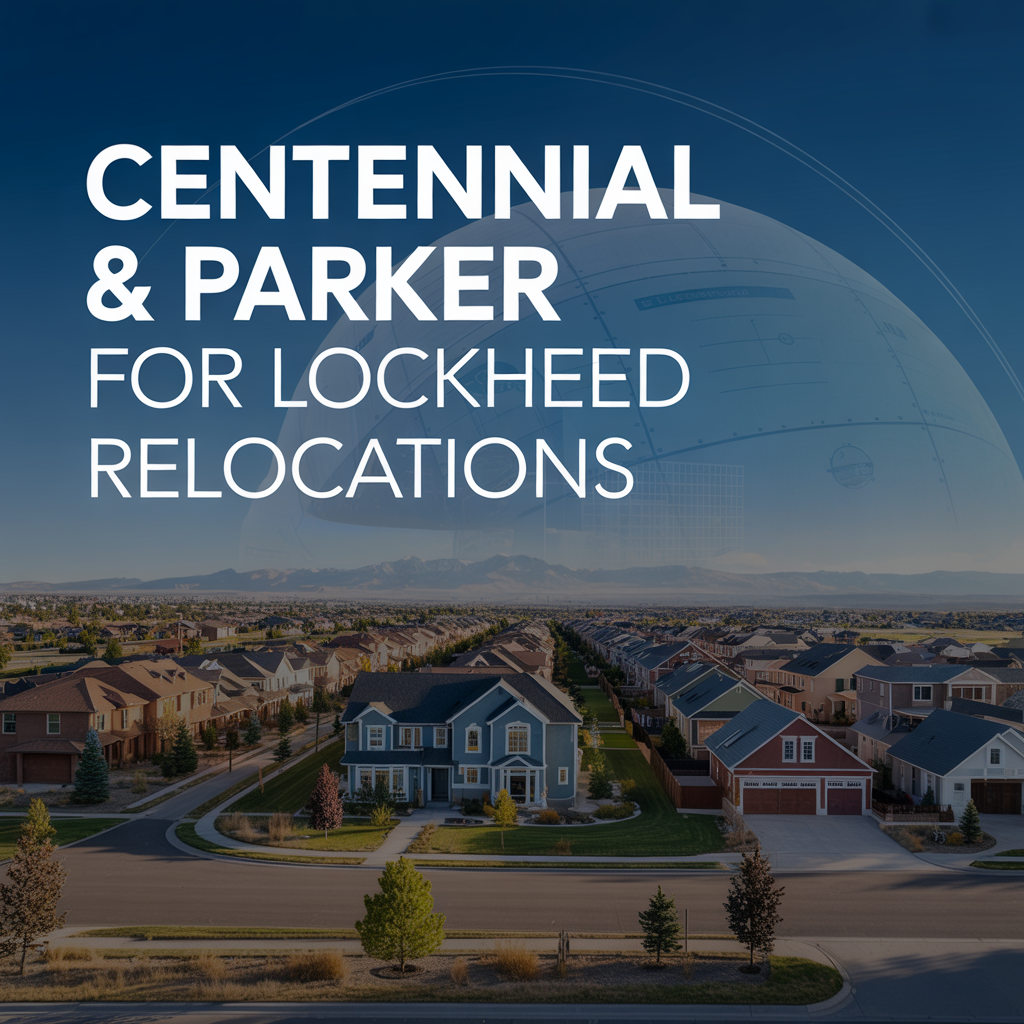
Centennial & Parker for Lockheed Relocations
This is part of Lockheed Martin Relocation → [Lockheed Martin Relocation Hub] & the larger Denver Relocation Hub → [Denver Relocation Hub] Written by: Chad Cabalka Centennial and Parker are two of the smartest suburban choices for Lockheed Martin employees relocating with families because they give you a strong balance of commute flexibility, good neighborhood variety, and…

Highlands Ranch for Family-Friendly Lockheed Relocations
This is part of Lockheed Martin Relocation → [Lockheed Martin Relocation Hub] & the larger Denver Relocation Hub → [Denver Relocation Hub] Written by: Chad Cabalka Highlands Ranch is one of the strongest choices for Lockheed Martin employees relocating with families because it delivers exactly what most parents want after a big move: stable neighborhoods, strong community…