


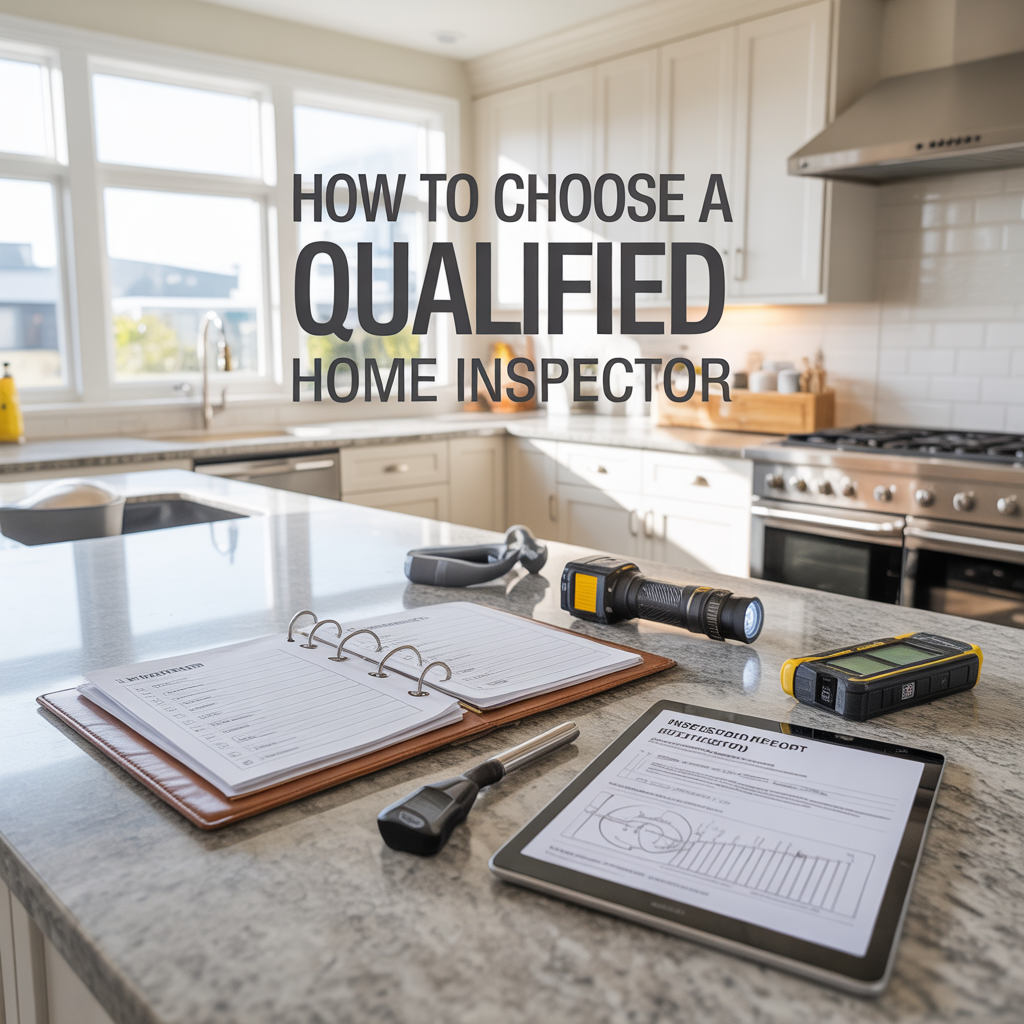
Home Inspections Guide -> [Home Inspections Guide] & For more info on Buying in the Denver Metro Area → [Denver Metro Home Buying Process]
Written by: Chad Cabalka
As a lifelong Denver resident who’s guided hundreds of buyers through home purchases—from charming bungalows in Berkeley to modern townhomes in Stapleton—I’ve seen firsthand how the right home inspector can make all the difference. Choosing a qualified inspector isn’t about rushing to check a box in your buying process; it’s about partnering with someone who provides clear, reliable insights into a property’s true condition. This decision affects not just your closing but your years of living comfortably in a home that suits your life.
In Denver’s diverse market, where homes span decades of construction styles and face our unique climate challenges, a skilled inspector becomes your eyes where yours can’t go. They help you avoid surprises and build confidence in your investment.
Why Inspector Quality Matters in Denver
A qualified home inspector delivers more than a checklist; they offer context that turns raw data into actionable understanding. Denver’s housing includes everything from historic Victorians in Capitol Hill to 1970s ranches in Lakewood, each with potential issues tied to age, soil types, and weather patterns like hail and freeze-thaw cycles. An inexperienced inspector might flag every minor crack as a crisis, while a seasoned one explains how clay soils in Littleton often cause cosmetic settling versus true foundation problems.
This expertise prevents common pitfalls, such as overpaying for unneeded repairs or missing gradual issues that erode equity over time. Buyers who choose wisely report feeling more secure long after move-in, knowing they’ve started ownership on solid ground.
Poor choices, on the other hand, lead to frustration. I’ve counseled clients who skipped vetting and ended up with vague reports that left them second-guessing every creak in their new Arvada home.
Key Qualifications to Look For
Colorado doesn’t require state licensing for home inspectors, which means the bar for entry is low but the need for personal diligence is high. Focus on voluntary credentials that demonstrate commitment to standards. Membership in national associations like the International Association of Certified Home Inspectors (InterNACHI) or the American Society of Home Inspectors (ASHI) signals ongoing training and adherence to ethical codes. These groups require education, exams, and continuing education—often 24 hours annually—to maintain status.
Look for inspectors who’ve passed the National Home Inspector Exam (NHIE), a rigorous 200-question test covering building systems, reporting, and professional practices. Certifications from these bodies aren’t mandatory, but they filter out hobbyists. In Denver, where the city requires certified inspectors for rental licensing, these credentials carry extra weight.
Experience trumps paper alone. Prioritize those with at least 250 paid inspections under their belt, ideally in the Front Range. Local knowledge matters—inspectors familiar with our expansive clay soils, hail-damaged roofs, and high-altitude HVAC strains provide reports tailored to what you’ll actually encounter.
Evaluating Experience and Local Expertise
Years in the field reveal themselves in an inspector’s ability to contextualize findings for Denver-specific realities. Ask how many inspections they’ve done in your target neighborhoods, like Highlands Ranch or Westminster. An inspector who’s crawled under countless Aurora slabs knows the difference between normal efflorescence from our dry air and actual water intrusion.
Probe their background. Many top inspectors come from trades like plumbing, electrical, or construction, giving them practical insight. In my experience, those with Denver-area roots understand nuances like how intense sun fades roofs faster here than in greener states, or why grading around Parker homes must direct runoff away from foundations during our rare but heavy monsoons.
Request sample reports during your initial chat. A strong one includes clear photos, prioritized recommendations, and plain-language explanations—no jargon, just facts like “This 15-year-old furnace shows wear; plan for replacement in 3-5 years at altitude.”
Red Flags to Avoid
Steer clear of inspectors who pressure you to decide on the spot or promise a “perfect” report beforehand. Anyone guaranteeing no issues lacks credibility—every home, even new builds in Echelon at Sunset, has quirks. Be wary of the lowest bids; if they’re far under the $500-$800 Denver average for a standard single-family inspection, it might reflect rushed work or limited tools like infrared cameras.
Uninsured inspectors are a risk. Insist on proof of general liability and errors & omissions (E&O) coverage, protecting you if they miss something major. Also, avoid those tied exclusively to sellers or realtors; independence ensures objectivity. In competitive bids around Sloan’s Lake, I’ve seen seller-preferred inspectors gloss over shared-wall issues in condos.
Sample reports riddled with typos or vague terms like “needs attention” are warning signs. You deserve detail that empowers decisions, not confusion.
Questions to Ask Potential Inspectors
Start with a phone call or email exchange to gauge fit. Ask: “How long have you inspected in the Denver metro, and what’s your volume last year?” Follow with: “Walk me through a recent inspection in a neighborhood like mine—what stood out?” Their answer should reveal thoughtful analysis, not rote lists.
Inquire about tools and technology. Quality inspectors use drones for hard-to-reach roofs, moisture meters for basements prone to our clay soil shifts, and software for interactive reports. Ask: “Do you test for radon or offer sewer scopes as add-ons?” In Denver’s uranium-rich soils, baseline radon checks are prudent.
Finally, clarify the process: “How long until I get the report, and will you walk through it with me?” The best ones offer time on-site for buyers to observe and ask questions, turning the inspection into education.
The Selection Process Step by Step
Get three referrals from your agent or past clients, then narrow to two based on credentials. Review online profiles on InterNACHI or ASHI sites for complaints or standing. Cross-check reviews on Google or Yelp, focusing on specifics like “explained stucco issues clearly” over generic praise.
Schedule interviews, sharing your home’s address and photos upfront. Compare quotes, but weigh value over price— a $100 premium for local expertise pays dividends. Book promptly; top inspectors fill calendars in hot markets like RiNo.
After the inspection, debrief with your inspector. Their willingness to discuss findings post-report confirms you’ve chosen well.
Long-Term Benefits of a Thorough Choice
Selecting carefully shapes your homeownership journey. A detailed report becomes your first maintenance guide, highlighting watches like aging water heaters common in Centennial homes. It informs negotiations without aggression, focusing on shared facts.
Over time, this foundation fosters stability. Clients tell me they sleep better knowing minor electrical updates in their Golden ranch were addressed proactively. It shifts focus from short-term fixes to enduring value, aligning with Denver’s appreciating market.
Building Confidence in Your Decision
Choosing a home inspector is an investment in clarity amid Denver’s vibrant, varied real estate landscape. It empowers you to own with eyes wide open, turning potential worries into planned steps.
If you’re navigating a purchase, sale, or just assessing your current home, reach out—I’m here for straightforward talk rooted in decades of local experience. Let’s discuss your situation, from neighborhood insights to inspector recommendations, and chart a path that fits your life ahead.
Get the full Denver Market Insights → [Market Insights]


Littleton’s Ken Caryl for Lockheed Relocations
This is part of Lockheed Martin Relocation → [Lockheed Martin Relocation Hub] & the larger Denver Relocation Hub → [Denver Relocation Hub] Written by: Chad Cabalka Ken Caryl is one of the best-kept “family first” relocation options for Lockheed Martin employees who want foothills scenery, strong neighborhood appeal, and a real suburban lifestyle that still feels connected…

Centennial & Parker for Lockheed Relocations
This is part of Lockheed Martin Relocation → [Lockheed Martin Relocation Hub] & the larger Denver Relocation Hub → [Denver Relocation Hub] Written by: Chad Cabalka Centennial and Parker are two of the smartest suburban choices for Lockheed Martin employees relocating with families because they give you a strong balance of commute flexibility, good neighborhood variety, and…

Highlands Ranch for Family-Friendly Lockheed Relocations
This is part of Lockheed Martin Relocation → [Lockheed Martin Relocation Hub] & the larger Denver Relocation Hub → [Denver Relocation Hub] Written by: Chad Cabalka Highlands Ranch is one of the strongest choices for Lockheed Martin employees relocating with families because it delivers exactly what most parents want after a big move: stable neighborhoods, strong community…