



Home Inspections Guide -> [Home Inspections Guide] & For more info on Buying in the Denver Metro Area → [Denver Metro Home Buying Process]
Written by: Chad Cabalka
New construction homes in Denver carry a special appeal—clean lines, modern features, and the promise of moving into something built just for today’s living. From townhomes rising in RiNo to spacious family designs in Highlands Ranch, these properties draw buyers seeking a fresh start without the baggage of older homes. Yet even with builder warranties and municipal code checks, scheduling an independent inspection remains one of the smartest steps you can take toward long-term confidence in your purchase.
I’ve advised clients through dozens of new builds over the years, watching how overlooked details turn into real headaches months after closing. An inspection bridges the gap between builder priorities and your daily realities, ensuring the home aligns with the stability you expect for years ahead.
Why New Builds Aren’t Automatically Perfect
Builders focus on efficiency and timelines, which sometimes means cutting corners on finishes or rushing systems that meet minimum codes but fall short of durability. Denver’s rapid growth amplifies this—subdivisions in areas like Parker or Castle Rock pop up quickly, with crews juggling multiple sites. Municipal inspections verify basic safety, but they don’t scrutinize every outlet, joint, or grade the way a private inspector does.
Even brand-new homes show defects. Studies and local reports indicate that a majority of new build buyers discover at least one issue post-move-in, from cosmetic flaws to functional problems like improper HVAC sizing for our high altitude. These aren’t always major, but they add up in time, effort, and cost—precisely what an inspection helps you address upfront.
In Denver’s climate, specific vulnerabilities emerge early. Intense sun bakes roofing materials faster, clay soils shift under slabs despite fresh pours, and hail risks loom from day one. Without your own review, these factors hide in plain sight.
Common Issues Found in Denver New Construction
Inspectors routinely uncover problems that builders dismiss as “normal settling” or “punch list items.” Electrical outlets not fully secured, plumbing joints leaking under pressure, or windows installed without proper flashing lead the list—issues that could cause water damage in our freeze-thaw winters. In newer developments around Westminster or Thornton, poor grading often directs runoff toward foundations, inviting future basement moisture despite the home’s youth.
Structural shortcuts appear too. Beams not fully nailed, attic insulation improperly placed, or HVAC ducts undersized for efficiency strain systems over time. I’ve seen clients in Aurora catch misaligned trusses before closing, avoiding costly fixes that warranties might delay or dispute. Appliances and fixtures, promised as premium, sometimes arrive with recalls or faulty installations that only a detailed check reveals.
These findings aren’t about distrusting builders; they’re about aligning expectations. New homes in Sloan’s Lake condos or Echelon townhomes benefit from the same thoroughness as a 1950s ranch—because quality varies by crew, subcontractor, and site conditions.
The Builder’s Perspective Versus Yours
Builders rely on their warranties, often one year for workmanship and longer for systems, to handle post-closing fixes. This sounds reassuring, but navigating claims involves back-and-forth, documentation, and sometimes living with flaws during disputes. In Denver’s busy market, builders prioritize new projects over perfecting yours, leading to prolonged punch lists.
Your goals differ: immediate usability and lasting performance. An inspection during the final walkthrough—or better, phased checks like pre-drywall—gives leverage to resolve items before handover. Municipal sign-offs confirm code compliance, not craftsmanship. Only your inspector advocates solely for your peace of mind, spotting inconsistencies like undersized drains that overwhelm during our summer monsoons.
Skipping this step assumes perfection, a risk not worth taking when Denver’s appreciating market rewards proactive owners. Clients who’ve insisted on inspections tell me it fosters smoother relationships with builders, who respect informed buyers.
Timing Your New Construction Inspection
The best approach involves multiple phases, starting early. A pre-drywall inspection, before walls close up, examines framing, wiring, and plumbing—opportunities lost once sheetrock hides them. Foundation checks post-pour catch soil compaction issues common in our expansive clays. Final walkthroughs verify completed work against plans.
In Denver, aim for the 11-month warranty inspection too, just before builder coverage lapses. This catches delayed defects like settling cracks or flashing failures. Coordinate with your agent to build these into your contract; top builders accommodate without pushback. Costs range from $400 for finals to $800-$2,000 for packages, a fraction of potential repairs.
Attending in person educates you. Walk the site with your inspector, asking about Denver-specifics like hail-resistant shingles or altitude-adjusted furnaces. This hands-on involvement builds your maintenance knowledge from day one.
Addressing Common Misunderstandings
Many buyers believe “new means flawless,” swayed by shiny models and sales assurances. Reality: construction rushes lead to oversights, with only a minority of buyers opting for independent checks despite widespread post-move-in discoveries. Another myth holds that builder walkthroughs suffice—they’re sales-focused, not diagnostic.
Warranties don’t cover everything either. Cosmetic items often fall outside, and proving “workmanship” takes effort. In competitive bids for Berkley rowhomes or Welby spec homes, waiving inspections to win feels tempting but backfires. Informed clients negotiate fixes from findings, strengthening their position without alienating sellers.
Denver’s geology adds unique twists—radon vents might skip installation, or sewer lines lack proper slopes. These warrant specialized add-ons, clarifying misunderstandings before they compound.
Long-Term Stability from Early Action
An inspection shapes your ownership beyond closing. The report becomes your baseline, tracking changes like gradual settling in Centennial slabs or roof wear from UV exposure. It empowers budgeting for non-warranty items, fostering the stability that turns a house into a reliable asset.
Clients in Congress Park additions or LoDo lofts share how early catches prevented disruptions—families enjoying holidays without leaky faucets, budgets intact for customizations. Over decades, this diligence aligns with Denver’s trends: homes hold value when maintained proactively, not reactively.
Emotionally, it steadies you. Knowing your investment stands on verified ground lets you focus on living—trails in nearby parks, dinners at local spots—rather than wondering about hidden flaws.
Making the Right Call for Your Buy
Inspecting new construction isn’t optional; it’s essential for Denver buyers who value foresight over assumptions. It transforms warranties from safety nets into backups, positioning you for years of straightforward ownership.
If you’re eyeing a new build in the metro area or reassessing one you’re in, let’s talk specifics—your neighborhood, builder, and timeline. With decades guiding locals through these decisions, I’m here for the straightforward conversation that clarifies your next steps and secures your future. Reach out when you’re ready.
Get the full Denver Market Insights → [Market Insights]


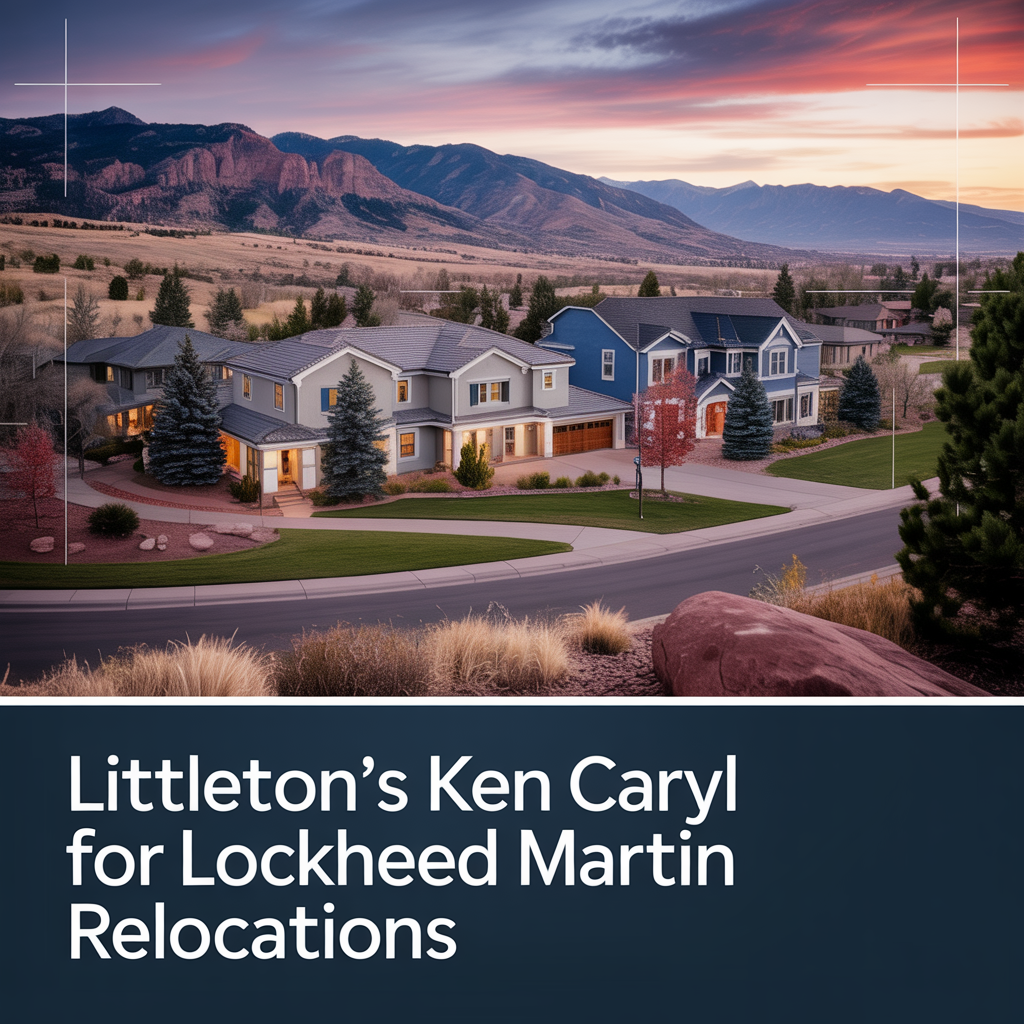
Littleton’s Ken Caryl for Lockheed Relocations
This is part of Lockheed Martin Relocation → [Lockheed Martin Relocation Hub] & the larger Denver Relocation Hub → [Denver Relocation Hub] Written by: Chad Cabalka Ken Caryl is one of the best-kept “family first” relocation options for Lockheed Martin employees who want foothills scenery, strong neighborhood appeal, and a real suburban lifestyle that still feels connected…

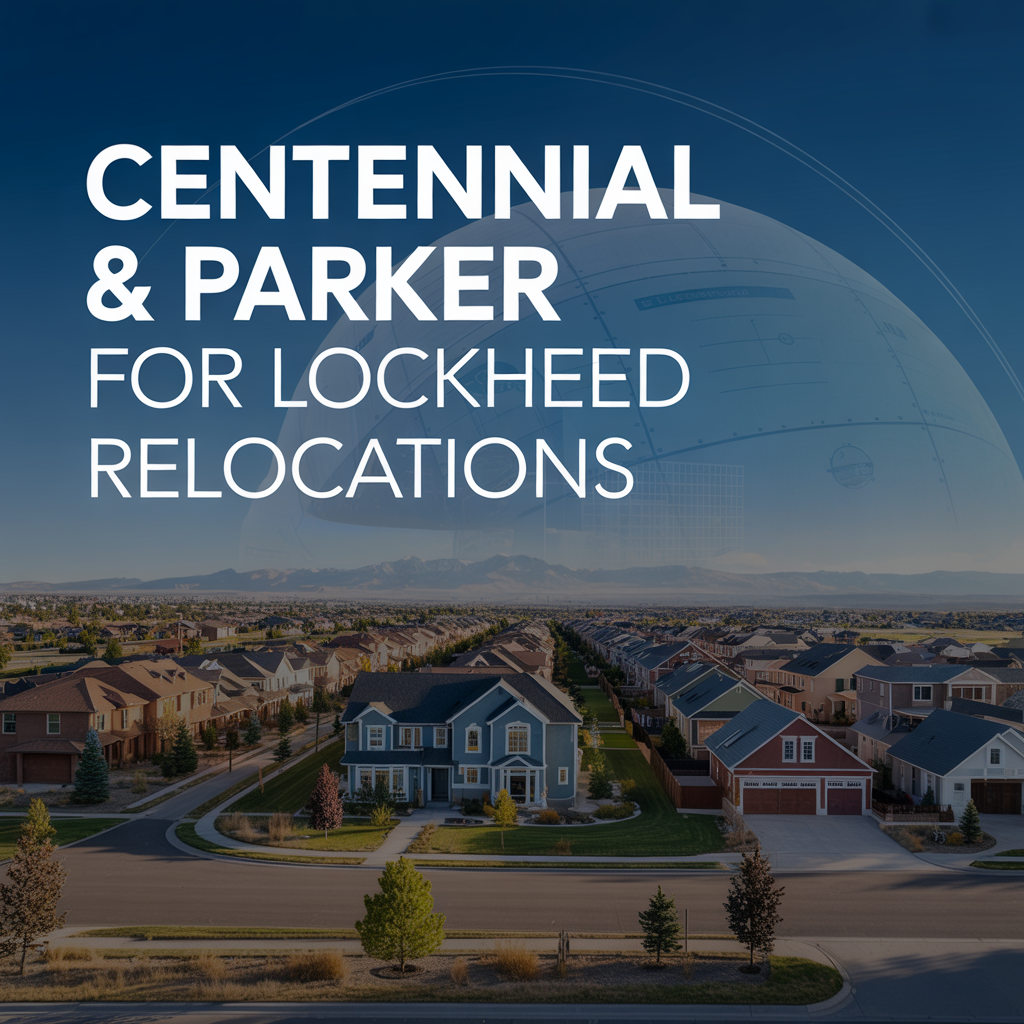
Centennial & Parker for Lockheed Relocations
This is part of Lockheed Martin Relocation → [Lockheed Martin Relocation Hub] & the larger Denver Relocation Hub → [Denver Relocation Hub] Written by: Chad Cabalka Centennial and Parker are two of the smartest suburban choices for Lockheed Martin employees relocating with families because they give you a strong balance of commute flexibility, good neighborhood variety, and…

Highlands Ranch for Family-Friendly Lockheed Relocations
This is part of Lockheed Martin Relocation → [Lockheed Martin Relocation Hub] & the larger Denver Relocation Hub → [Denver Relocation Hub] Written by: Chad Cabalka Highlands Ranch is one of the strongest choices for Lockheed Martin employees relocating with families because it delivers exactly what most parents want after a big move: stable neighborhoods, strong community…