


Home Inspections Guide -> [Home Inspections Guide] & For more info on Buying in the Denver Metro Area → [Denver Metro Home Buying Process]
Written by: Chad Cabalka
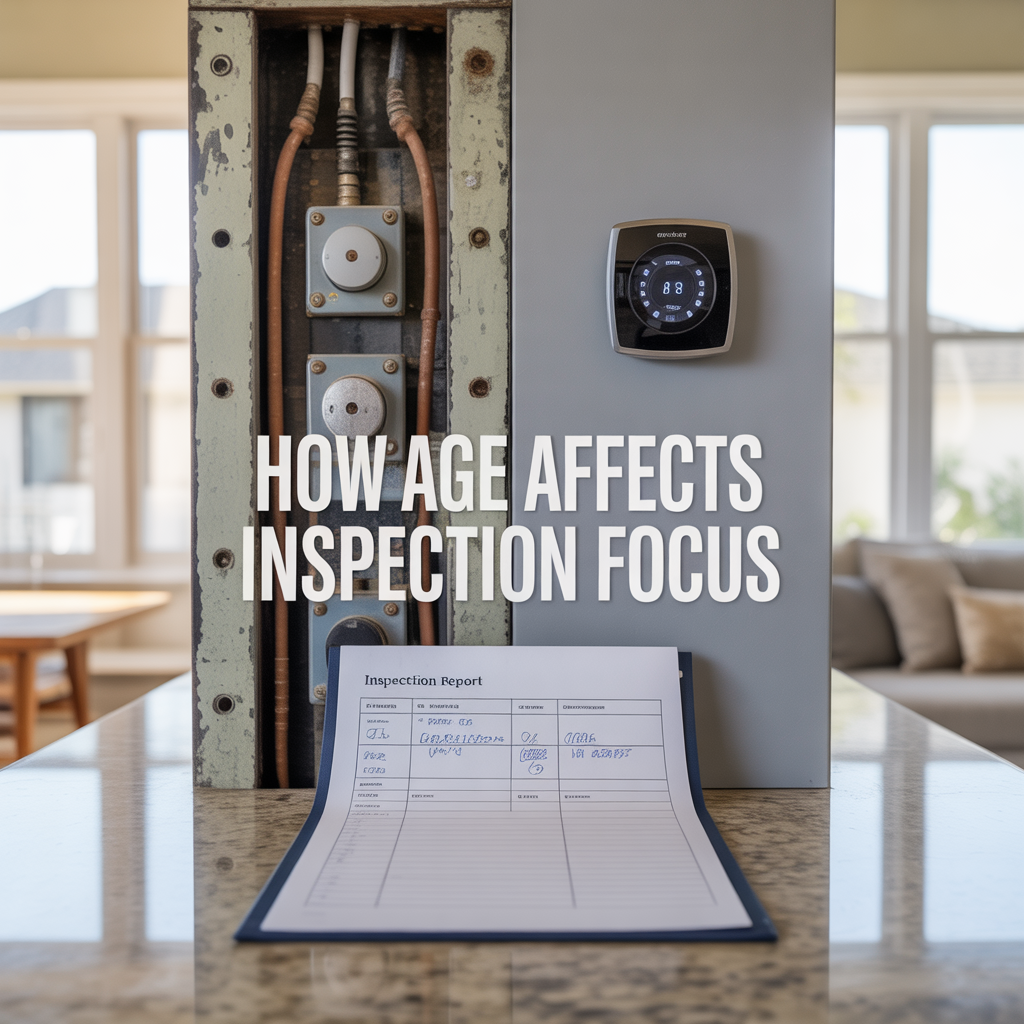
A home’s age fundamentally shapes what inspectors prioritize during examinations, as construction materials, systems, and Denver-specific wear patterns vary dramatically across decades in our clay soil environment and hail-prone climate. Having guided clients through properties spanning eras—from 1910s Capitol Hill Victorians to 2020s Highlands Ranch moderns over my decades in the business—I’ve learned that tailoring focus to age uncovers the right risks, preventing overemphasis on irrelevant issues while catching era-specific vulnerabilities that impact safety and longevity. This nuanced approach ensures inspections deliver actionable insights matched to your home’s life stage, protecting value without unnecessary alarm.
In Denver’s diverse housing stock, age dictates diligence.
Pre-1940s Homes: Structural and Material Priorities
Historic gems in Washington Park or Congress Park demand heavy emphasis on foundational integrity, as original stone or brick foundations settle unevenly in expansive clays, showing bowing walls or hairline cracks from freeze-thaw cycles. Inspectors scrutinize settling joists, plaster ceilings for water intrusion paths, and knob-and-tube wiring posing fire risks behind lath walls. Chimneys with unlined flues and lead paint hazards require specialized attention, alongside original galvanized plumbing nearing corrosion failure.
These homes hide charm behind deferred maintenance; age heightens scrutiny on habitability over cosmetics. Clients discover $20,000 foundation reinforcements masked as “character.”
Era demands bones-first checks.
1940s-1960s: Plumbing and Electrical Era
Mid-century ranches in Englewood or Lakewood spotlight galvanized pipes under slabs—prone to rust clogs from hard water—and aluminum branch wiring in attics sparking at outlets. Inspectors test water pressure revealing restrictions, scan panels for capacity overloads common with added appliances, and check cast-iron sewer lines for root bellies in tree-lined yards. Roofs of wood shake or early asphalt demand hail history reviews.
This vintage balances nostalgia with code upgrades; overlooked systems fail spectacularly. Park Hill owners catch plumbing redos early, saving floods.
Systems steal focus here.
1970s-1980s: HVAC and Insulation Shifts
Suburban two-stories in Centennial highlight original forced-air furnaces undersized for altitude, aluminum-wired breakers nearing hazard, and polybutylene plumbing bursts waiting to happen. Inspectors prioritize attic fiberglass settling compressing R-values, crawlspace vapor barriers missing amid clay moisture, and double-pane windows fogging from seal failures. Early sheet vinyl siding shows hail buckling.
Energy crises birthed shortcuts; inspections reveal efficiency gaps boosting bills. Westminster families upgrade HVAC proactively.
Efficiency eras expose gaps.
1990s-2000s: Synthetic Material Concerns
Newer builds in Lowry or Stapleton focus on EIFS stucco trapping moisture behind barriers, OSB sheathing swelling from poor flashing, and Chinese drywall off-gassing in some tracts. Inspectors check PEX plumbing kinks, low-voltage wiring shorts, and trusses undersized for snow loads. Radon vents often skipped demand verification in basement-heavy designs.
Boom-era speed left flaws; age unmasks cosmetic over craftsmanship. Littleton clients seal stucco systems timely.
Modern materials mislead visually.
2010s-Present: New Construction Realities
Recent developments in RiNo townhomes emphasize builder oversights—improper expansion joints cracking stucco, HVAC ducts pinched in walls, grading directing runoff to slabs. Inspectors verify sprinkler tie-ins, smart home wiring functionality, and spray foam insulation gaps voiding warranties. Hail-resistant shingles still dent under big storms.
Warranties lure complacency; inspections catch rushed work before lapse. Echelon buyers confirm flashing pre-year one.
Fresh builds hide hasty habits.
Age-Driven Add-On Specialties
Pre-1980: Asbestos, lead, sewer scopes for clay pipes. 1960s-80s: Aluminum wiring retrofits, polybutylene. All eras: Radon per geology. Inspectors adapt checklists—50+ points extra for Victorians versus streamlined new builds—ensuring relevance.
Tailoring targets true threats.
Budgeting Age-Appropriate Diligence
Older homes justify $800-1,200 full scopes plus specialties; newer $500 standards suffice unless flagged. This precision sustains equity across eras in appreciating Denver.
Long-Term Ownership Implications
Age-focused inspections equip era-matched plans, turning homes into enduring assets regardless of vintage.
Important Disclosure for Readers Under Contract
Because home inspections occur mid-transaction, please direct questions to the real estate agent you have an agreement with—this is purely educational, not solicitation. Chad Cabalka and team respect boundaries and hold ourselves harmless from actions based on this content.
Because the inspection is a mid-transaction topic, if you are indeed under contract make sure you reach out to the real estate agent you have an agreement with. This is not an attempt to “steal” clients or gain clout, only an attempt to educate. For age-specific strategies outside active deals, I’m here for direct guidance.
Get the full Denver Market Insights → [Market Insights]


Littleton’s Ken Caryl for Lockheed Relocations
This is part of Lockheed Martin Relocation → [Lockheed Martin Relocation Hub] & the larger Denver Relocation Hub → [Denver Relocation Hub] Written by: Chad Cabalka Ken Caryl is one of the best-kept “family first” relocation options for Lockheed Martin employees who want foothills scenery, strong neighborhood appeal, and a real suburban lifestyle that still feels connected…


Centennial & Parker for Lockheed Relocations
This is part of Lockheed Martin Relocation → [Lockheed Martin Relocation Hub] & the larger Denver Relocation Hub → [Denver Relocation Hub] Written by: Chad Cabalka Centennial and Parker are two of the smartest suburban choices for Lockheed Martin employees relocating with families because they give you a strong balance of commute flexibility, good neighborhood variety, and…

Highlands Ranch for Family-Friendly Lockheed Relocations
This is part of Lockheed Martin Relocation → [Lockheed Martin Relocation Hub] & the larger Denver Relocation Hub → [Denver Relocation Hub] Written by: Chad Cabalka Highlands Ranch is one of the strongest choices for Lockheed Martin employees relocating with families because it delivers exactly what most parents want after a big move: stable neighborhoods, strong community…