


Home Inspections Guide -> [Home Inspections Guide] & For more info on Buying in the Denver Metro Area → [Denver Metro Home Buying Process]
Written by: Chad Cabalka
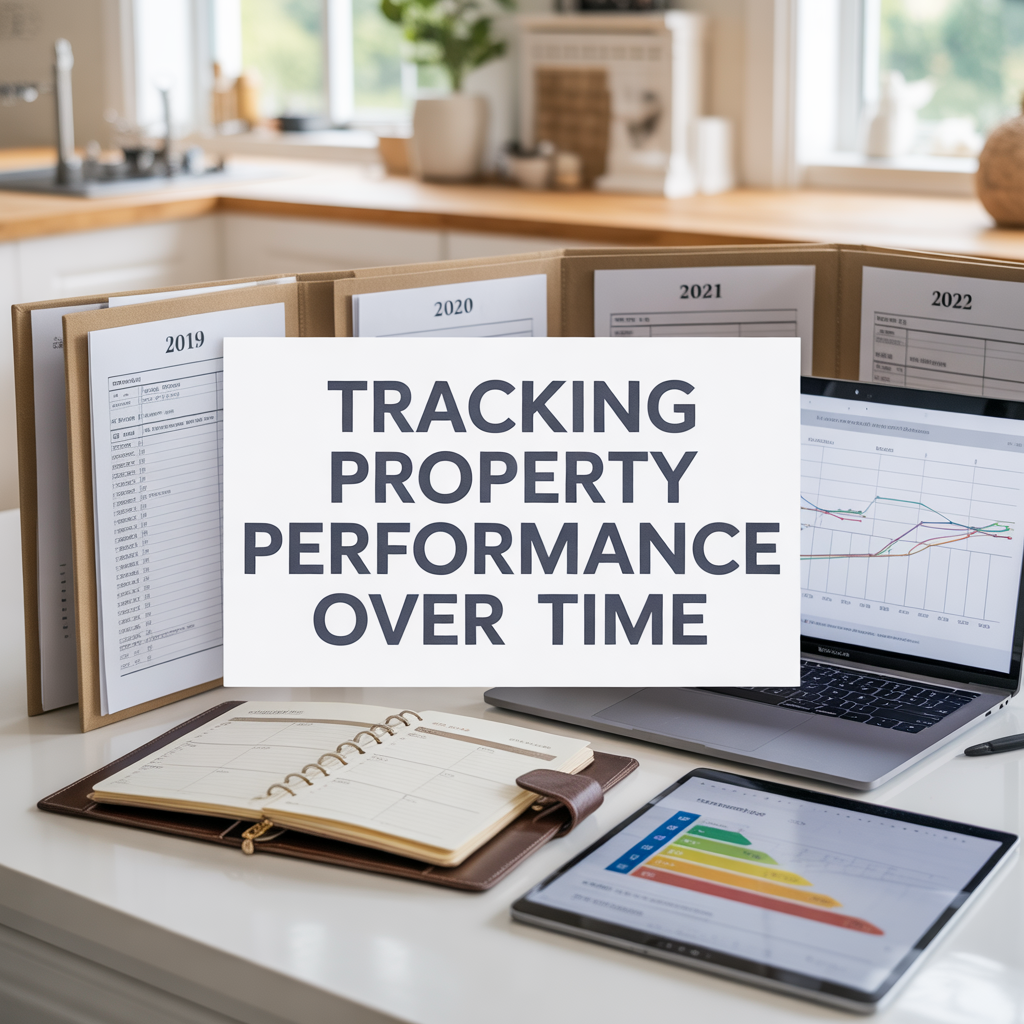
Tracking your Denver home’s performance over time transforms static inspection reports into dynamic records of how it weathers our clay soil shifts, intense UV exposure, hail storms, and high-altitude demands, enabling proactive adjustments that sustain value and comfort. Having advised homeowners for decades across neighborhoods from tree-lined Park Hill to modern Highlands Ranch, I’ve seen how consistent monitoring—through utility logs, visual checks, and periodic professional audits—reveals trends like gradual foundation settling or rising energy bills from insulation gaps, preventing surprises that erode equity. This ongoing vigilance turns ownership into stewardship, aligning maintenance with real data for decades of reliable living.
In our variable Front Range climate, performance tracking builds resilience without guesswork.
Establishing Baselines from Initial Reports
Start with your purchase inspection as year-zero benchmark: note roof age against hail history, furnace efficiency at elevation, foundation crack widths in expansive clays, and baseline utility bills from Xcel Energy. Digitize photos of stucco joints, attic insulation depth, and grading slopes around Littleton slabs for before/after comparisons. Log initial readings—water pressure, attic temperatures, electrical panel loads—to quantify normal operation.
This foundation lets you spot deviations early, like 10% utility spikes signaling duct leaks in Westminster ranches. Clients reference these annually, catching 90% of issues when fixes cost least.
Benchmarks illuminate baselines.
Utility Bill Analysis and Trends
Pull 12-24 months of Xcel electric/gas statements quarterly, charting usage per square foot against degree days—Denver’s hot summers and cold snaps reveal HVAC strains or phantom loads. Compare pre/post-repairs: post-attic sealing in Congress Park drops summer cooling 15-20%. Track seasonal peaks—monsoon AC surges, winter furnace runs—to flag outliers like window seal failures fogging panes.
Spreadsheets or apps normalize for occupancy changes, weather variances. Englewood families spot $200 annual savings from vent cleanings via trends.
Bills broadcast building health.
Visual and DIY Monitoring Schedules
Quarterly self-walkthroughs revisit report flags: measure foundation cracks in Arvada (stable under 1/8″ yearly), inspect deck ledger boards for freeze-thaw separation, check gutters for hail dents pooling runoff. Annual attic climbs verify insulation R-values haven’t settled, basement hygrometers catch moisture spikes pre-monsoon. Photograph evolutions—stucco hairlines widening, chimney flashing rust—with dates for patterns.
Simple tools—moisture meters ($50), stud finders—empower baselines without pros. Sloan’s Lake owners log grading post-rain, preempting erosion.
Eyes extend inspector reach.
Periodic Professional Audits
Every 3-5 years, certified energy audits (HERS-rated) quantify air leakage via blower door tests, infrared scans for insulation voids, and combustion safety on furnaces stressed at altitude. Denver firms benchmark against IECC codes, scoring efficiency 1-10; post-weatherization retests verify 20-30% gains. Post-hail drone roofs, sewer scopes every 5 years in root-heavy Park Hill.
$400-800 investments yield ROI reports guiding rebates. Centennial clients upgrade post-audit, cutting bills 25%.
Pros provide precision metrics.
Digital Tools and App Integration
Apps like EnergyCAP or HomeZada log bills, predict maintenance via AI trends, and alert anomalies—rising basement humidity signaling sump failure. Smart thermostats (Nest/Ecobee) track runtime efficiency, integrating with utility APIs for real-time dashboards. Excel dashboards plot crack progression against rainfall data from nearby stations.
Cloud binders store reports, photos, receipts—shareable for insurance or resale. Golden tech-savvy owners forecast $2,000 roof needs years early.
Tech tracks tirelessly.
Insurance and Resale Leverage
Performance histories prove risk mitigation—pre-hail roof docs justify claims, energy scores secure discounts (10-15% via Xcel). Sellers present 5-year binders: “Graded 2023, furnace tuned annually,” commanding premiums in Cherry Creek. Appraisals value documented care 3-5% higher.
Logs lower liabilities.
Patterns Signaling Action
Trends demand response: 15% bill jumps cue audits; widening cracks (>1/4″) need engineers; humidity over 60% prompts dehumidifiers. Correlate with life changes—additions stressing HVAC. This data turns homes predictable.
Long-Term Equity Building
Consistent tracking sustains 2-4% annual appreciation edges, freeing budgets for life—trails, markets, family. Homes reward record-keepers.
Important Disclosure for Readers Under Contract
Because home inspections occur mid-transaction, please direct questions to the real estate agent you have an agreement with—this is purely educational, not solicitation. Chad Cabalka and team respect boundaries and hold ourselves harmless from actions based on this content.
Because the inspection is a mid-transaction topic, if you are indeed under contract make sure you reach out to the real estate agent you have an agreement with. This is not an attempt to “steal” clients or gain clout, only an attempt to educate. For performance strategies outside active deals, I’m here for practical discussions.
Get the full Denver Market Insights → [Market Insights]


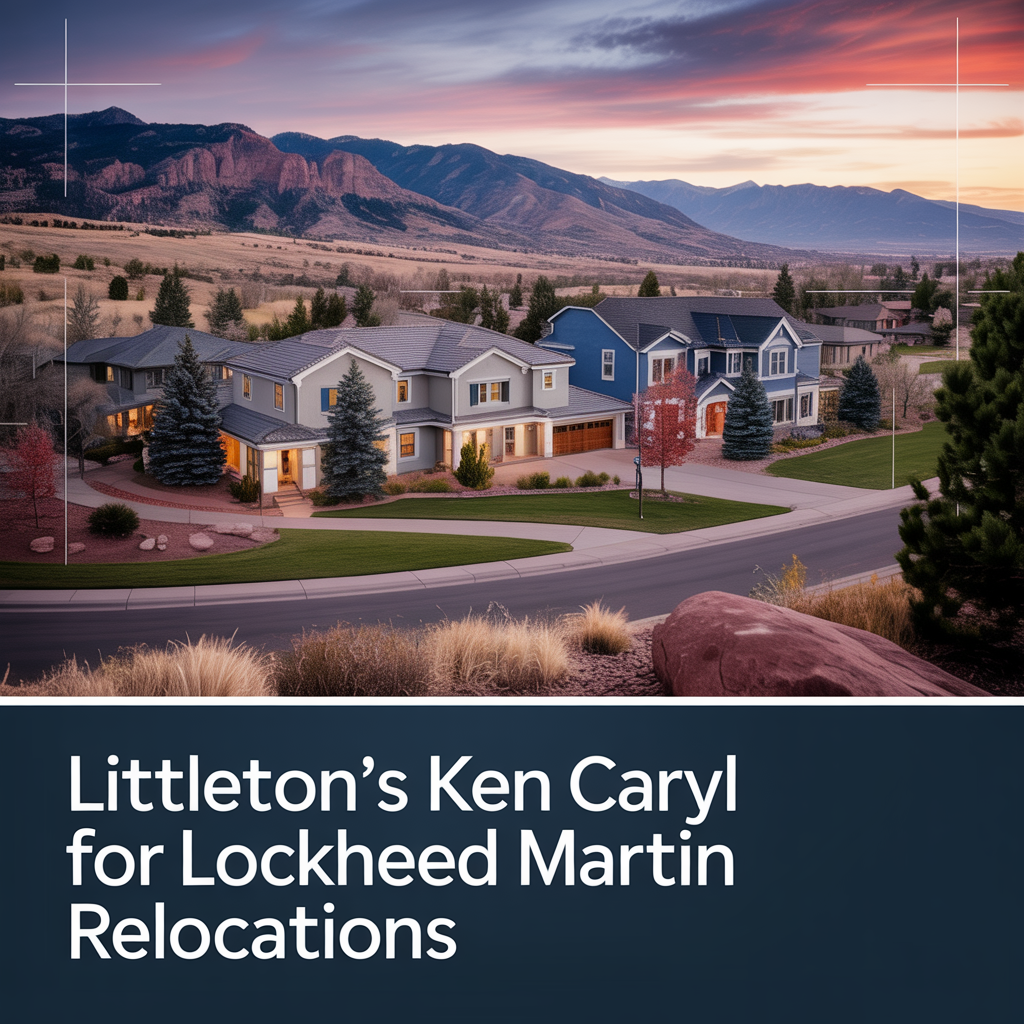
Littleton’s Ken Caryl for Lockheed Relocations
This is part of Lockheed Martin Relocation → [Lockheed Martin Relocation Hub] & the larger Denver Relocation Hub → [Denver Relocation Hub] Written by: Chad Cabalka Ken Caryl is one of the best-kept “family first” relocation options for Lockheed Martin employees who want foothills scenery, strong neighborhood appeal, and a real suburban lifestyle that still feels connected…

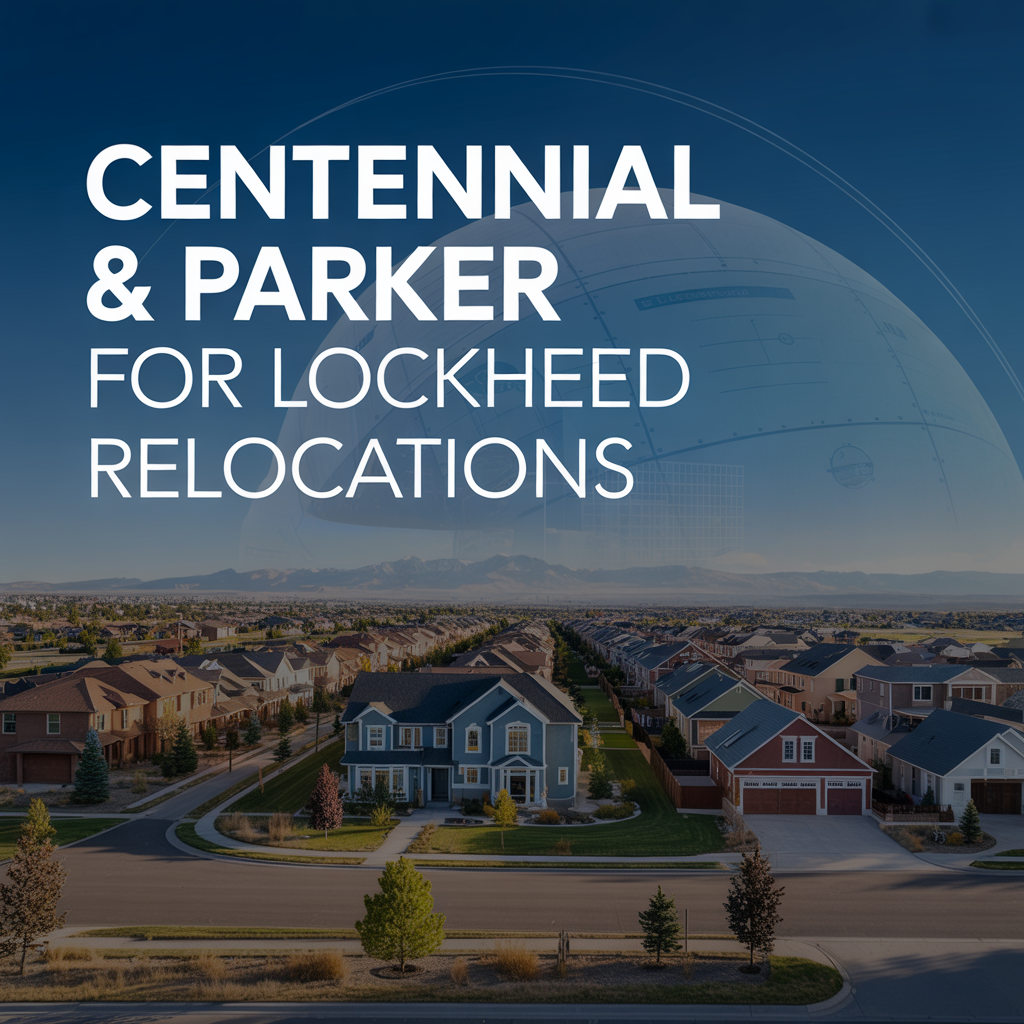
Centennial & Parker for Lockheed Relocations
This is part of Lockheed Martin Relocation → [Lockheed Martin Relocation Hub] & the larger Denver Relocation Hub → [Denver Relocation Hub] Written by: Chad Cabalka Centennial and Parker are two of the smartest suburban choices for Lockheed Martin employees relocating with families because they give you a strong balance of commute flexibility, good neighborhood variety, and…

Highlands Ranch for Family-Friendly Lockheed Relocations
This is part of Lockheed Martin Relocation → [Lockheed Martin Relocation Hub] & the larger Denver Relocation Hub → [Denver Relocation Hub] Written by: Chad Cabalka Highlands Ranch is one of the strongest choices for Lockheed Martin employees relocating with families because it delivers exactly what most parents want after a big move: stable neighborhoods, strong community…