


Home Inspections Guide -> [Home Inspections Guide] & For more info on Buying in the Denver Metro Area → [Denver Metro Home Buying Process]
Written by: Chad Cabalka
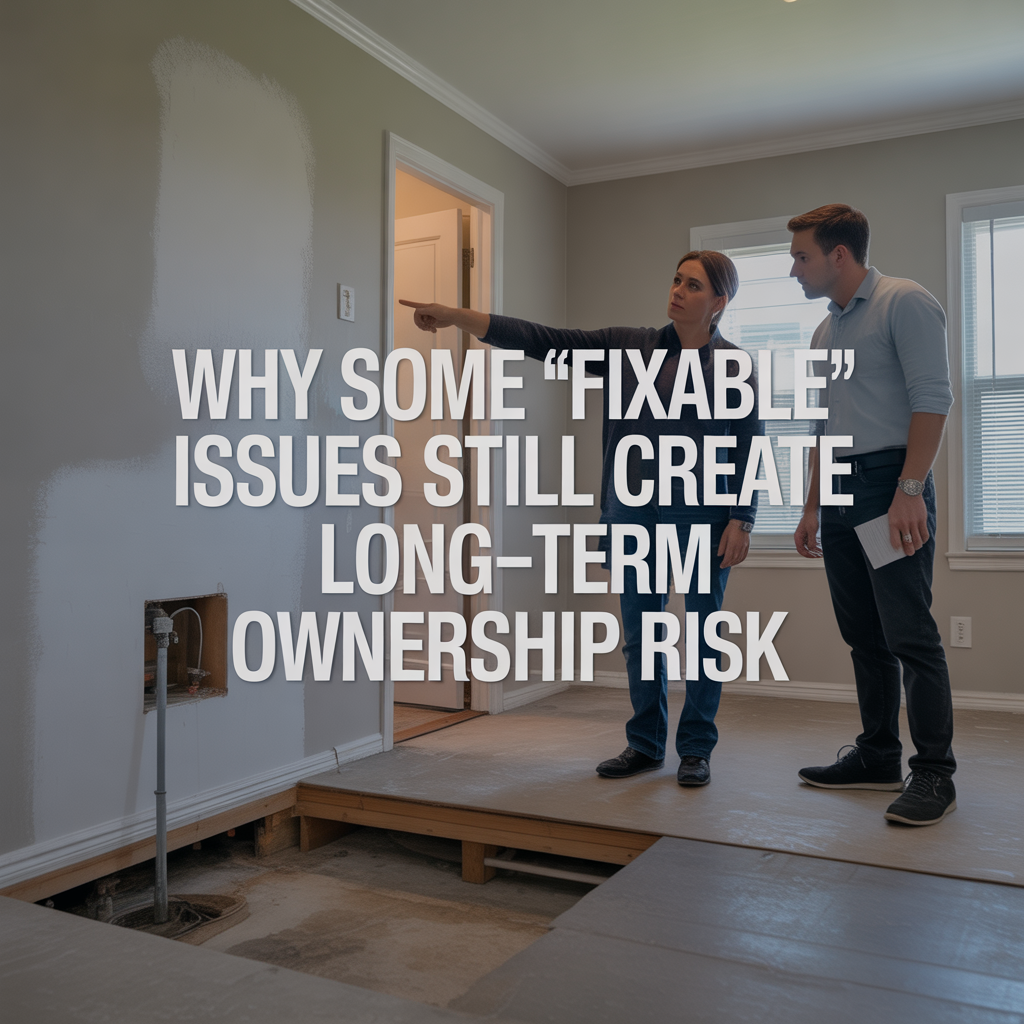
Every homebuyer has heard it before: “Oh, that’s fixable.” A dated kitchen, a small structural crack, an aging furnace—problems that seem manageable with a weekend and a good contractor. In Denver’s competitive housing market, shrugging off these issues has almost become part of the buying rhythm. But the truth is, not every “fixable” problem stays minor once you step into ownership. Some of these so-called quick fixes can quietly compound into financial stress, lifestyle frustration, or difficult resale decisions years later.
Owning property in Denver is a long game. It’s about how your home fits your life and finances over time—not just the deal you close today. Let’s unpack why certain “fixable” conditions deserve a second look, how to evaluate them wisely, and when the risk isn’t worth rationalizing away.
The Denver Context: Homes With History
Denver’s housing stock spans well over a century, from 1890s bungalows in Wash Park to 1960s ranches in Arvada and brand-new builds in Castle Pines. The city’s charm comes from this layered architecture and history—but that history also introduces quirks. Older neighborhoods often have foundation issues, outdated electrical systems, or sewer lines made from materials now well past their life expectancy. Newer suburban developments may have different challenges: high soil movement, drainage issues, or limited builder warranties.
In such a market, the invitation to “just fix it later” can feel practical, even necessary. The challenge is knowing which of those fixes are truly straightforward—and which are warning signs that extend beyond the surface repair.
Short-Term Fix, Long-Term Reality
On paper, Denver’s rapid appreciation has softened the sting of unexpected repair costs. When you’re watching homes climb in value year after year, it’s easy to think that time and equity will absorb almost any problem. But homeowners quickly learn that the real cost of an issue isn’t just what it takes to repair—it’s how that issue affects your comfort, your resale value, and your ability to plan confidently for the future.
Take foundation movement in areas like Highlands Ranch or parts of Aurora, where expansive clay soils are common. Stabilizing a foundation might only cost a few thousand dollars if caught early, but regrading a yard or addressing chronic drainage problems can grow exponentially from there. What seems fixable becomes a recurring relationship with the problem—a cycle of patching, regrading, monitoring, and re-patching.
Another example: electrical upgrades. In classic Denver neighborhoods like Congress Park or Park Hill, many early 20th-century homes still operate with original wiring or outdated panels. Replacing a panel might feel like a one-day job, but if the home has old knob-and-tube wiring behind plaster walls, the “simple fix” extends to rewiring whole sections of the house—and potentially disrupting finishes, plaster, and paint in the process. Every fix carries layers.
The Emotional Cost of “Manageable” Problems
Even when a fix is financially feasible, it can take an emotional toll. Living through unexpected or prolonged repairs can mean delayed move-ins, surprises during remodels, or constant household disruption. Denver homeowners are particularly sensitive to this because our lifestyle expectations—walkable neighborhoods, outdoor-friendly living, proximity to parks and trails—are centered on enjoying our homes, not constantly tending to them.
A client I once worked with in Platt Park bought a charming bungalow with “a few simple updates needed.” On paper, the to-do list was manageable: cosmetic kitchen work, some basement waterproofing, and new windows. But overlapping projects created a revolving door of contractors, weeks of dust, and years of deferred enjoyment. The home still ultimately appreciated, but it took much longer for their purchase to feel like a home rather than a project site. And that aspect—how it feels to live with those repairs—is something not easily measured on a spreadsheet.
When Fixable Crosses Into Structural
In Denver’s climate, water and soil are the main culprits that turn small issues into larger ones. Because of our freeze-thaw cycles and expansive soils, water management is critical. A loose downspout near a foundation may seem like a simple fix, but over five winters, it can translate into foundation movement or sump pump over-dependence. A minor roof leak that’s “been patched” might mask deeper ventilation or insulation problems that impact the roof’s lifespan.
Buyers often think a home inspection will identify the boundary between cosmetic and structural—and while inspections are invaluable, they can’t always predict future movement, moisture shifts, or material fatigue. That judgment comes from local experience: understanding how certain Denver neighborhoods handle water or soil differently, how tree roots interact with older clay sewer lines, or even how certain home builders historically approached grading. These distinctions matter.
The Resale Angle
Denver homeowners tend to think in terms of appreciation, not depreciation—and with good reason. We’ve seen strong growth across nearly every submarket since the early 2010s. But the conditions that create equity don’t erase stigma. Some repairs, even when fully resolved, can create buyer hesitation later.
A home that’s had prior foundation work, for example, will always invite deeper scrutiny, even with full documentation. Similarly, properties with known drainage improvements or sewer line replacements sometimes raise concern among future buyers who worry what else might be lurking underground. The repairs themselves might have been great—but the narrative follows the house.
The key isn’t to avoid these homes altogether. It’s about understanding whether the issue is contained and verifiable or unpredictable and progressive. A replaced sewer line with a documented video inspection and transfer warranty is often fine long-term. A patched foundation with vague paperwork, however, is a recurring story still being told.
The Cost of Overconfidence During a Hot Market
Denver’s market cycles naturally create emotional pressure points. When homes move fast, buyers often neglect to think beyond what’s necessary to win the offer. In multiple-bid situations, it becomes tempting to rationalize away physical flaws—especially if an issue seems “common for the area.” But the market eventually cools, and when it does, homes with a history of “little fixable things” can be the first to linger.
That’s why I encourage buyers—even in active markets—to evaluate a home based on how they’ll feel owning it in a balanced market a decade from now. Ask: If I needed to sell this home after several years, would its story invite confidence or hesitation? The short-term fix matters less than the long-term confidence it builds or diminishes.
The Smarter Way to Assess Risk
Assessing ownership risk isn’t about avoiding imperfect homes. In Denver, every property has quirks, especially given our terrain, weather, and age diversity. The key is context and depth of evaluation.
Start by understanding the type of issue you’re facing:
- Mechanical or surface-level issues (like worn floors, dated bathrooms, or old HVAC systems) are usually predictable and easy to budget for.
- Moisture, movement, or material longevity issues (like drainage, structural shifting, or aging wiring) can evolve over time and deserve more scrutiny.
Next, factor in timing. A new homeowner who pours energy into fixing structural or moisture problems during their first year often loses the emotional bandwidth to also improve the home’s livability. That’s how good properties become fatigue points. Sometimes, buying a home with fewer unknowns—even if less “perfect” cosmetically—creates a far more stable ownership experience over time.
How to Approach “Fixable” Drawbacks With Clarity
A reliable framework for evaluating potential problems combines three elements: scope, permanence, and livability.
- Scope: How broad is the issue’s reach, and could it reveal other hidden problems?
- Permanence: Will this repair last, or is it likely to recur with time and weather?
- Livability: Even if fixed, how will the process or its outcome affect your comfort and peace of mind?
When I walk clients through these tradeoffs, we often reframe their thinking entirely. Instead of “Can we fix this?” the better question is, “Can we live well with this decision five years from now?” That change in perspective—away from cosmetic immediacy and toward experiential longevity—separates quick decisions from wise ones.
Owning With Foresight
The Denver market rewards patience and informed judgment. Homes that are maintained with long-term systems thinking—proper grading, updated infrastructure, documented improvements—command real trust from future buyers. Conversely, homes that carry a trail of quick fixes often tell a story of short-term ownership and deferred maintenance.
As homeowners, our best strategy isn’t chasing perfection—it’s prioritizing confidence. And confidence comes from knowing that the improvements we make today won’t quietly compromise tomorrow.
A Personal Note
After decades of helping Denver homeowners navigate these questions, I’ve seen that the strongest ownership stories come from thoughtful beginnings. If you’re considering buying, selling, or evaluating your home’s long-term health, I’d welcome a real conversation—no pressure, just perspective.
Let’s talk about your home, your goals, and how to ensure your decisions now still feel right a decade from today.
Get the full Denver Market Insights → [Market Insights]



Littleton’s Ken Caryl for Lockheed Relocations
This is part of Lockheed Martin Relocation → [Lockheed Martin Relocation Hub] & the larger Denver Relocation Hub → [Denver Relocation Hub] Written by: Chad Cabalka Ken Caryl is one of the best-kept “family first” relocation options for Lockheed Martin employees who want foothills scenery, strong neighborhood appeal, and a real suburban lifestyle that still feels connected…


Centennial & Parker for Lockheed Relocations
This is part of Lockheed Martin Relocation → [Lockheed Martin Relocation Hub] & the larger Denver Relocation Hub → [Denver Relocation Hub] Written by: Chad Cabalka Centennial and Parker are two of the smartest suburban choices for Lockheed Martin employees relocating with families because they give you a strong balance of commute flexibility, good neighborhood variety, and…

Highlands Ranch for Family-Friendly Lockheed Relocations
This is part of Lockheed Martin Relocation → [Lockheed Martin Relocation Hub] & the larger Denver Relocation Hub → [Denver Relocation Hub] Written by: Chad Cabalka Highlands Ranch is one of the strongest choices for Lockheed Martin employees relocating with families because it delivers exactly what most parents want after a big move: stable neighborhoods, strong community…