


Chandler Lifestyle Guide → [Chandler Lifestyle Guide] & For more info on Chandler Real Estate → [Chandler Real Estate Guide]
Written by: Renee Burke
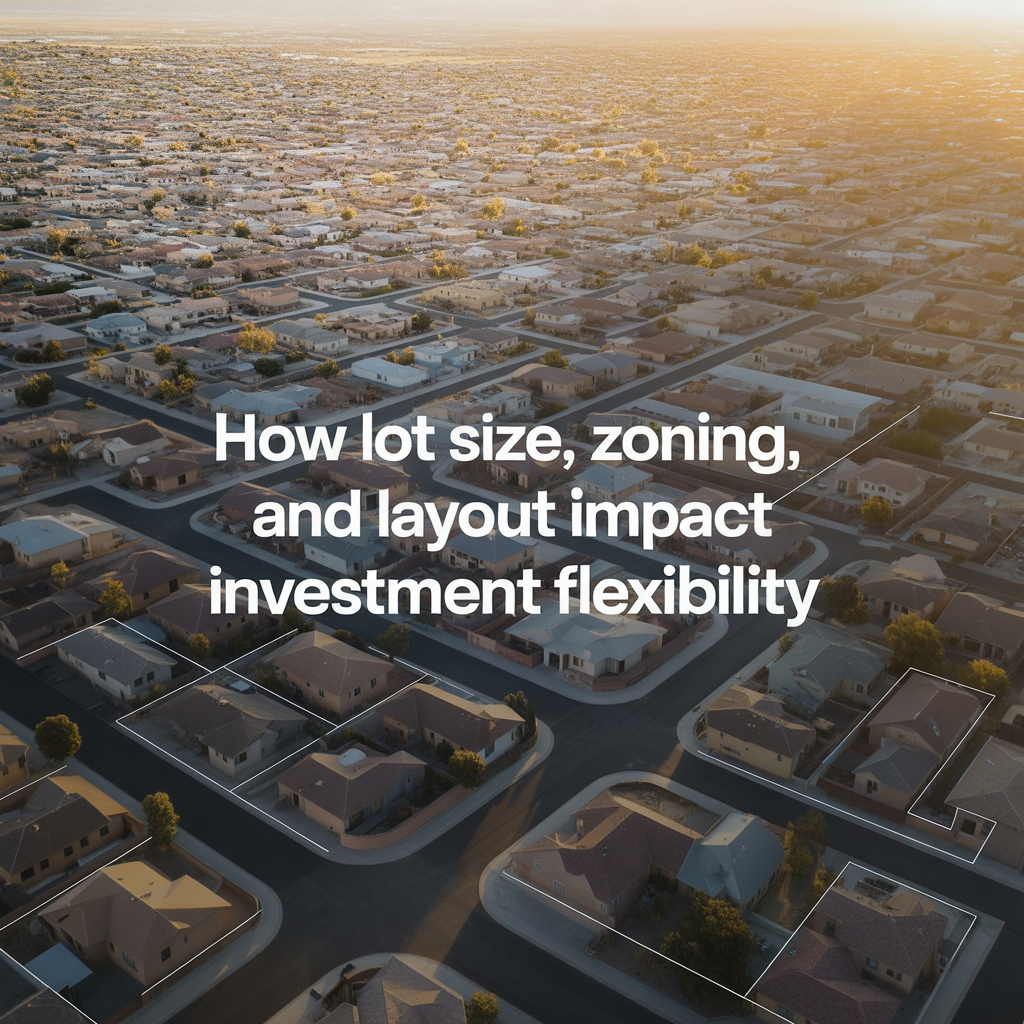
I’ve walked countless investors through the nuances of Chandler properties over the years, and one truth always stands out: your lot size, zoning, and layout aren’t just details—they’re the foundation of your future options. In a city like ours, where thoughtful growth meets steady demand, these elements quietly determine whether a property stays a simple rental or evolves into something more versatile, like an ADU addition or a future resale gem.
Let’s unpack this step by step, with Chandler’s real-world dynamics in mind. I’ll share what I’ve seen work for local investors, addressing those quiet worries about getting “stuck” with a property that limits your moves down the road.
Lot Size: The Space for Your Vision
Here in Chandler, lot sizes typically range from compact 6,000–7,000 square feet in established neighborhoods north of the 202 to generous 10,000+ square foot parcels in places like Ocotillo or Fulton Ranch. That difference isn’t minor—it directly shapes what you can do with the property.
Smaller lots, common in central Chandler subdivisions, prioritize efficiency. They suit single-family rentals perfectly, with just enough yard for a pool or patio that tenants love. But flexibility? It narrows quickly. Adding a casita or garage conversion often hits a wall because there’s limited rear yard space after setbacks—usually 20–30 feet from the back property line. Investors I’ve advised on these lots focus on clean, high-quality single-family plays, knowing major expansions aren’t realistic without variances.
Larger lots open doors. On 10,000 square feet or more, Chandler’s codes allow accessory dwelling units (ADUs) up to 1,000 square feet—or even 3,000 square feet on bigger parcels, capped at 10% of the net lot area. This means potential for a separate rental unit, a home office, or multigenerational living space. I’ve seen investors turn these into cash-flow boosters, renting the ADU separately while keeping the main house long-term. The key is confirming lot dimensions early; a quick parcel check reveals if you’ve got the buffer for side yards (often 5 feet minimum) and parking.
No matter the size, Chandler’s emphasis on neighborhood harmony means oversized lots rarely go to waste—they appreciate steadily as families seek that rare “room to breathe” in the East Valley.
Zoning: Your Property’s Rulebook
Zoning in Chandler is straightforward but firm, designed to protect the city’s family-friendly vibe while allowing smart evolution. Most residential areas fall under SF-33 (single-family, moderate density) or SF-18 (lower density), with minimum lot sizes starting at 7,000 square feet for SF-33. These dictate not just what you build, but how you can adapt over time.
Standard single-family zoning supports rentals seamlessly—no special use permits needed for long-term tenants. But if you’re eyeing short-term rentals like Airbnb, check for Hospitality Zone overlays, rarer in Chandler than in Tempe or Scottsdale. More exciting for investors: zoning that permits ADUs, now streamlined since the 2024 code updates. In eligible single-family zones, you can add a detached casita as long as it’s secondary to the primary home—under 1,000 square feet on smaller lots, or up to 50% of the main house on larger ones.
I always counsel clients to verify zoning via the city’s online portal or a quick call to planning services. PAD (Planned Area Development) zones, common in newer Chandler communities, offer flexibility like varied lot patterns but come with custom conditions—wider setbacks or design reviews. Missteps here can lock you out of additions, so understanding your zoning upfront avoids costly surprises. It’s about future-proofing: zoning that allows density tweaks positions you for rental income diversification or equity plays as the market shifts.
Layout: Efficiency Meets Opportunity
A property’s layout—how the home sits on the lot—can make or break your investment agility. In Chandler, where homes often front golf courses or canal paths, orientation matters as much as square footage.
Front-loaded layouts, with the house pushed toward the street, maximize backyard potential. This is gold for ADUs or pools, common in Ocotillo’s lakeside homes where rear yards stretch 50+ feet deep. Investors love these for their “hidden value”—add a casita, and you’ve got two income streams without crowding the main living space. Side-loaded garages or angled corner-lot designs, per city standards, further enhance this by freeing up side yards for expansions.
Deeper, narrower lots—prevalent in older Chandler pockets—flip the script. They shine for privacy-focused tenants but cramp additions due to tighter side setbacks (5–10 feet). Here, interior layouts take priority: open-concept great rooms appeal to families, boosting rent premiums and resale ease. Poor layouts, like those with awkward L-shapes or undersized garages, erode flexibility; they deter quality renters and complicate flips.
Thoughtful layouts also tie into Chandler’s lifestyle. Properties backing greenbelts or near Veterans Oasis Park command loyalty from tenants who value outdoor flow—think seamless indoor-outdoor living that supports higher rents and lower turnover.
Blending the Three for Maximum Flexibility
Lot size, zoning, and layout don’t operate in silos—they amplify each other. A 9,000-square-foot lot in SF-33 zoning with a rear-loaded layout? That’s investor nirvana: room for an ADU, strong rental appeal, and appreciation from Chandler’s tech-driven growth. Conversely, a 6,500-square-foot lot zoned conservatively with a front-heavy home suits buy-and-hold simplicity but limits pivots like multifamily conversions.
Local market intelligence sharpens this. With Intel expansions drawing engineers and families, flexible properties in the Price Corridor or near Chandler Fashion Center hold premium value. Rents average $2,200–$3,000 for 3-beds, but ADU-equipped homes push yields higher. Maintenance-wise, Chandler’s newer builds (post-2000) on generous lots mean fewer surprises, preserving your cash flow.
Common fears I hear: “Will zoning changes kill my plans?” or “Is the lot too small for future value?” Rest assured, Chandler’s updates—like ADU streamlining—favor owners who plan ahead. Misconceptions about rigid codes overlook variances for corner lots or diversity in PADs, where wider side yards (20 feet combined) enable creative tweaks.
Practical Steps for Investors
To assess flexibility:
- Pull the parcel report—confirm lot size, zoning, and overlays.
- Map the layout—measure setbacks and usable yard.
- Project scenarios—ADU feasibility? Short-term rental fit? Resale tweaks?
I’ve helped investors uncover hidden gems this way, turning “average” Chandler properties into adaptable assets.
A Thoughtful Path Forward
Chandler’s real estate rewards those who see beyond the purchase price to the property’s inherent potential. Lot size gives you canvas, zoning sets the boundaries, and layout brings it to life—together, they craft flexibility that matches your life’s next chapter.
If you’re eyeing a Chandler investment and wondering how these pieces fit your goals, you don’t have to navigate it solo. I’ve been right here in the East Valley, guiding friends and clients through these details for years. Reach out—I’d love to review a specific property with you and map out your most flexible options. Let’s make your move feel secure and smart.
Get the full Phoenix Market Insights → [Market Insights]


-
Separating Lifestyle Spending From Homeownership Costs
-
How Usage Changes Monthly Ownership Costs
-
Planning Around Utility Cost Volatility
-
Why Variable Expenses Drive Most Budget Stress
-
Fixed Costs That Aren’t Actually Fixed
-
Budgeting for the House You’ll Own in Five Years
-

Why Ownership Cash Flow Feels Tighter Over Time
-
How Escrow Masks Long-Term Cost Growth
-

Why Your Mortgage Payment Isn’t Your True Housing Cost
-

Cross-Valley Trips: When They Feel Easy vs Heavy
-

Remote-Work Friendly Pockets in Glendale
-

School-Run Congestion Zones and Timing
-

Arterial Routing and “Daily Loop” Efficiency
-

State Farm Stadium and it’s Effect on Life and Property Value
-

Freeway Access as a Lifestyle Multiplier in Glendale
-

Event-Night Traffic Impacts and Avoidance Strategies
-

Weekday Commute Direction Tradeoffs From Glendale
-

Season Shifts in Outdoor Time in Glendale
-

Shade, Tree Cover, and Neighborhood Comfort
-

Dog and Kid Friendly Outdoor Routines
-

Trail Access That Feels Routine-Friendly
-
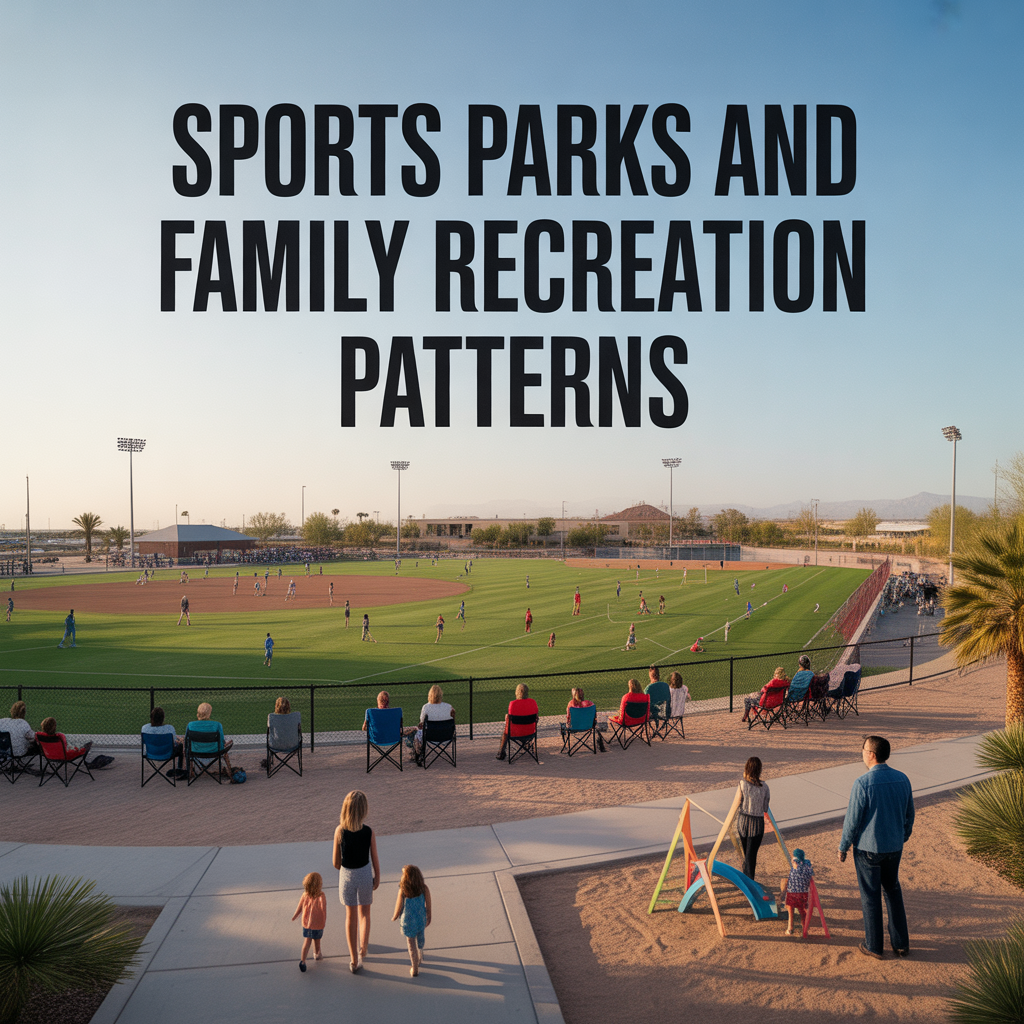
Sports Parks and Family Recreation Patterns
-
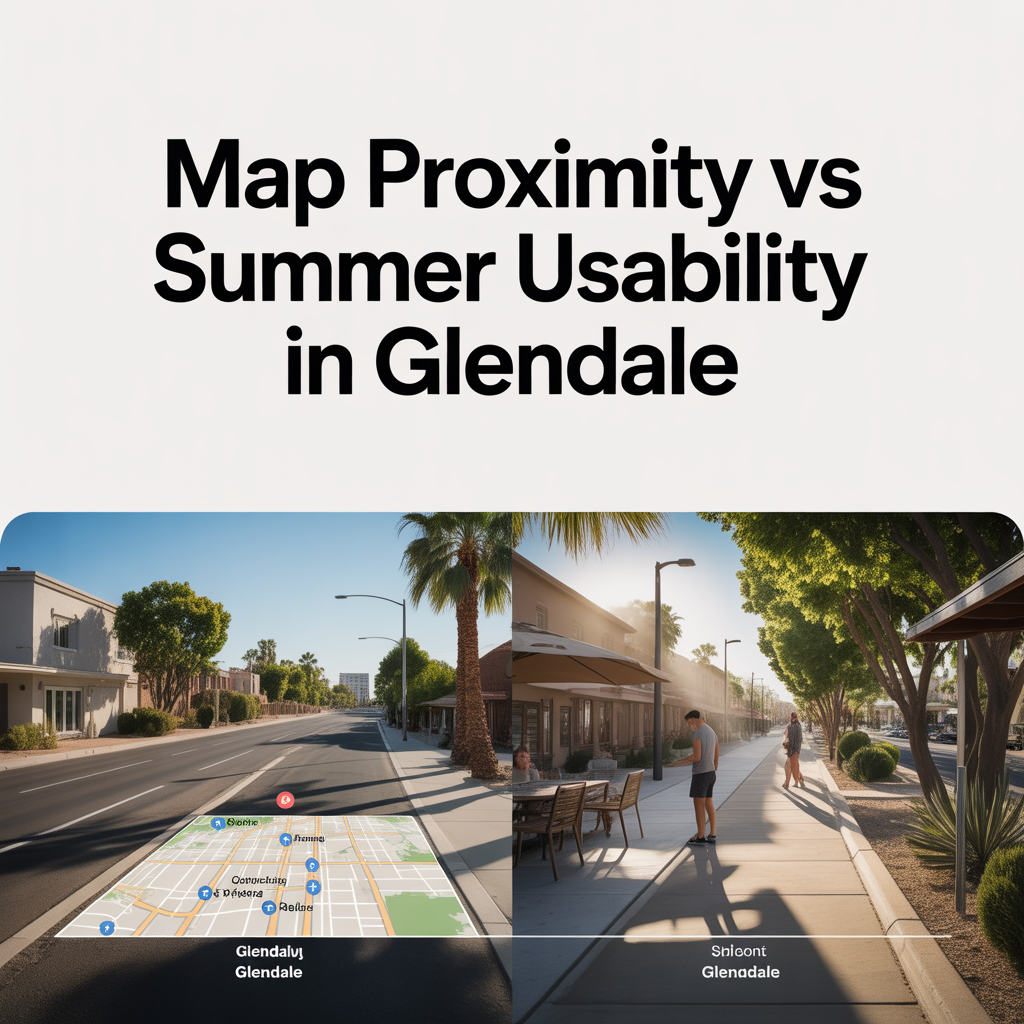
Map Proximity vs Summer Usability in Glendale
-

Daily-Use Parks vs Weekend Outdoor Trips
-

Top 10 “Date Night Out” Spots in Glendale