


Chandler Lifestyle Guide → [Chandler Lifestyle Guide] & For more info on Chandler Real Estate → [Chandler Real Estate Guide]
Written by: Renee Burke
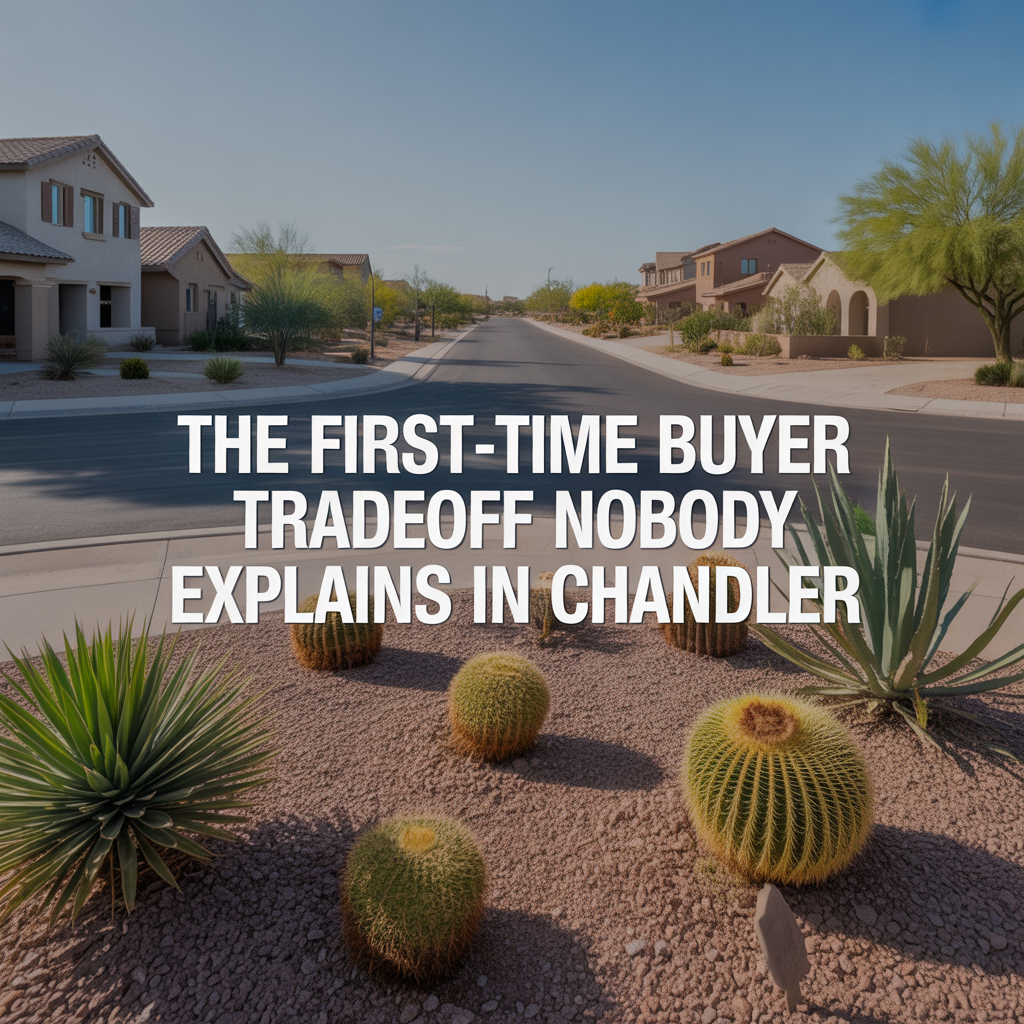
I remember sitting down with a young couple last spring, both in their late 20s, excited about their first Chandler home. They’d saved diligently, crunched the numbers for a cozy starter in Cooper Commons, and felt ready to dive into homeownership. But as we walked the neighborhood, I watched their excitement flicker when I gently explained the tradeoff nobody had mentioned: in Chandler, first-time buyers often trade prime location and instant lifestyle perks for affordable entry — and it’s a bigger shift than the mortgage math suggests. It’s not about square footage or granite counters; it’s the quiet reality that budget-friendly homes sit further from the jobs, schools, and amenities that make this city shine. As someone who’s guided dozens of first-timers through this eye-opener, I can assure you it’s manageable — but understanding it upfront lets you choose with confidence, not second-guessing.
Let’s unpack this tradeoff thoughtfully, why it’s so Chandler-specific, and how to navigate it so your first home feels like a launchpad, not a limitation.
The Core Tradeoff: Affordability Means Periphery Living
Chandler’s median home price hovers around $525,000 these days, but first-time buyers — often with FHA loans, 3.5% down, and budgets capped at $400,000–$450,000 — land in the city’s edges. Think eastside neighborhoods like Fulton Ranch outskirts or south near Ray Road: solid homes, yes, but 10–15 minutes farther from the Price Corridor’s tech buzz, Downtown’s farm-to-table spots, and Chandler Unified’s top A-rated schools.
You’re not in a “bad” area — crime’s low Valley-wide — but the daily rhythm shifts. Commutes to Intel stretch from 5 minutes to 20–25. Grocery runs to Sprouts or SanTan Village take planning. Parks like Veterans Oasis? A short drive, not a stroll. It’s the tradeoff: entry-level affordability buys block-built charm and yards for your golden retriever, but sacrifices walkability to the lifeblood amenities drawing families here.
I’ve seen it hit young professionals hardest: they prioritize payments under $2,500/month, only to find their “convenient Chandler” home feels more like a satellite suburb.
Why It’s Pronounced in Chandler’s Market
Unlike sprawling Mesa with endless cheap inventory or Gilbert’s pricier polish, Chandler’s sweet spots — Ocotillo lakes, Fulton Ranch gates, Downtown vibrancy — command premiums. Those $600K+ homes near Price Road or Loop 202 sit in bubbles of convenience: coffee at Cartel en route to work, kids biking to Basha High boundaries, happy hours at Hidden House steps away.
First-timers, even with down payment assistance like the City’s First Time Homebuyer Program or Home Plus credits up to $7,500, rarely stretch there. Lenders cap debt-to-income at 43%, so $450K becomes the ceiling. Result? Neighborhoods like Andersen Springs or Sun Groves: lovely, family-packed, with community pools and trails — but peripheral. You trade “minutes to everything” for “affordable everything,” and the distance adds up in time, gas, and that subtle tug of FOMO when friends post Downtown strolls.
It’s not a flaw; it’s geography. Chandler built outward smartly, but gravity pulls value to the core.
Lifestyle Ripples: What You Gain, What Slips Away
On the plus side, periphery gems offer space — larger lots for play sets, quieter streets for evening walks, and equity-building potential as the city fills in. HOA fees? Often absent, saving $300/quarter. Schools remain strong (Chandler Unified’s reach is broad), and resale holds firm.
But the slips sting quietly. Social life: block parties thrive, but trendy spots like Strive Brewery mean 15-minute drives. Family time: carpools to Hamilton High eat evenings. Wellness: Tumbleweed Rec Center classes? Plan ahead. Heat amplifies it — summer drives in 110°F feel longer without shaded garage proximity.
Young couples tell me they romanticize “cozy nesting,” then miss spontaneous coffees or trailheads. Families prioritize yards over proximity, only to budget for after-school shuttles. It’s the emotional toll nobody preps you for: homeownership’s joy tempered by logistics.
The Financial Flip Side: Hidden Costs of Convenience
Stretch for core Chandler, and payments jump $500–800/month — straining groceries or date nights. Stay peripheral, and save upfront: $100/week in gas/time, plus faster equity via lower entry. But long-term? Core homes appreciate 1–2% faster annually, per local trends, thanks to demand.
Programs help bridge it — FHA Streamline Refis later, or AZ’s matching grants up to $32K for low-income qualifiers. Still, the tradeoff lingers: pay now for lifestyle, or later for upgrades?
Neighborhood Breakdown: Tradeoff in Action
Here’s a snapshot of first-time realities:
| Budget Range | Neighborhood Examples | Proximity Perks | Tradeoff Hits |
|---|---|---|---|
| $350K–$425K | Eastside (e.g., near 202), South Ray | Affordable yards, no/low HOA | 20-min commutes, drive-to schools/parks |
| $425K–$500K | Andersen Springs, Cooper Commons | Community pools, Chandler Unified access | 10–15 min to Downtown/Intel |
| $500K+ | Fulton Ranch edges, Ocotillo fringes | Walk to trails/amenities | Payments strain, bidding wars |
Core wins lifestyle; edges win bank accounts.
Real Talk from First-Timers I’ve Guided
One engineer couple skipped my advice, grabbed a $420K eastside starter. Loved the space, hated the drives — sold two years later for profit, upgraded inward. A teacher family stayed peripheral, joined carpools, hosted epic barbecues: thriving on savings. Patterns emerge: extroverts crave core; homebodies bloom edges.
Common blind spot: resale ease. Peripheral homes turn faster for upgraders, but core holds premiums for life.
Navigating It Wisely: My Advice for You
Don’t rush — test-drive the tradeoff. Rent short-term near your target, commute your route, map school walks. Prioritize ruthlessly: kids in sports? Edges fine. Social butterflies? Stretch smartly with co-borrowers or grants.
Future-proof: buy with growth in mind — eastside’s expanding, closing gaps. Partner with a local who knows comps, not just calculators. Renovate gradually: EV charger now, casita later.
It’s not settling; it’s staging. Many first homes launch legacies here.
The Bigger Picture: Tradeoffs Build Better Buyers
This unspoken swap teaches resilience — budgeting, planning, appreciating what’s yours. Chandler rewards it: equity snowballs, priorities shift to experiences. You emerge wiser, rooted.
First-time ownership’s magic shines brightest when eyes are wide open.
A Thoughtful Next Step
That first key turns sweeter with guidance through the grays. I’ve helped first-timers weigh every angle, turning tradeoffs into triumphs.
If you’re thinking about making a move in Phoenix, you don’t have to figure it out alone.
Let’s map your budget to your dreams — coffee’s on me.
Get the full Phoenix Market Insights → [Market Insights]


-

Dog and Kid Friendly Parks Chandler
-

Best Chandler Parks for Regular Use
-

Trail Systems That Fit Chandler Life
-
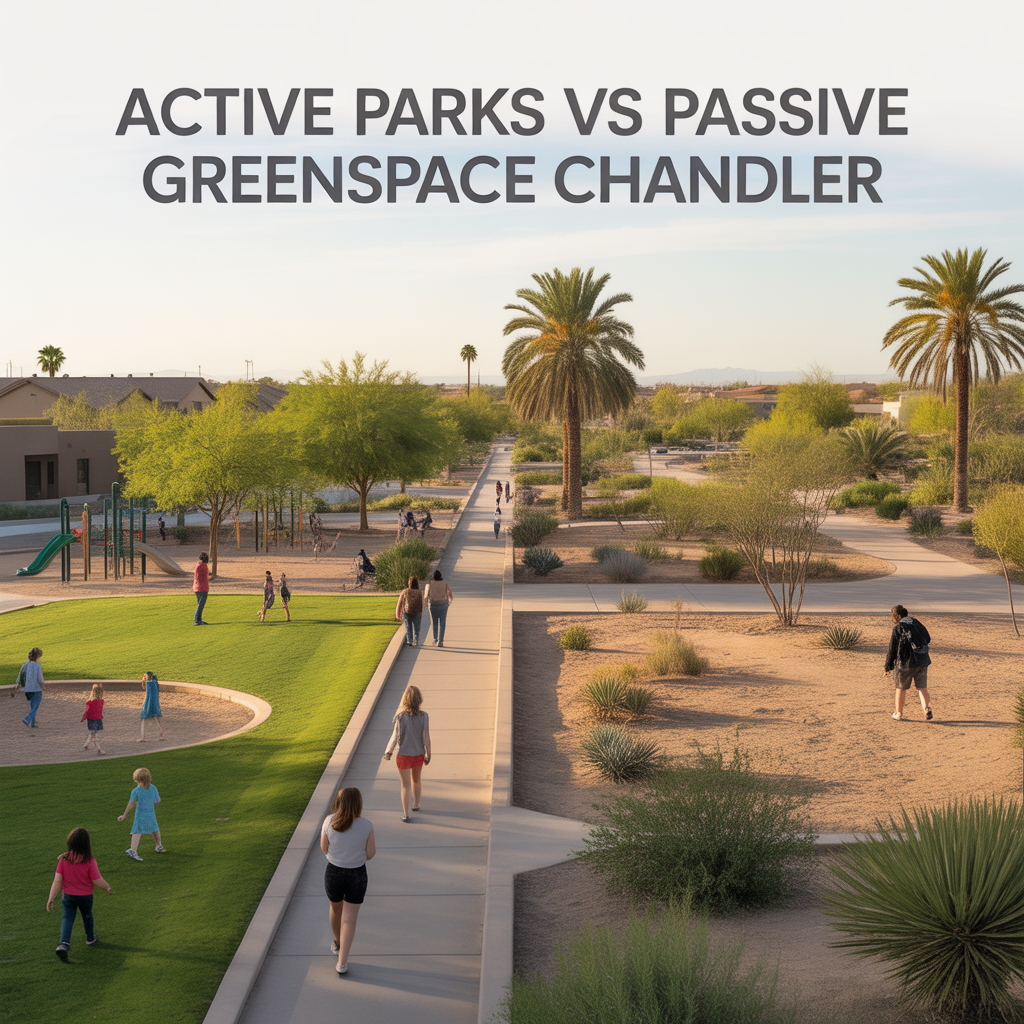
Active Parks vs Passive Greenspace Chandler
-

Daily Outdoor Habits by Chandler Area
-
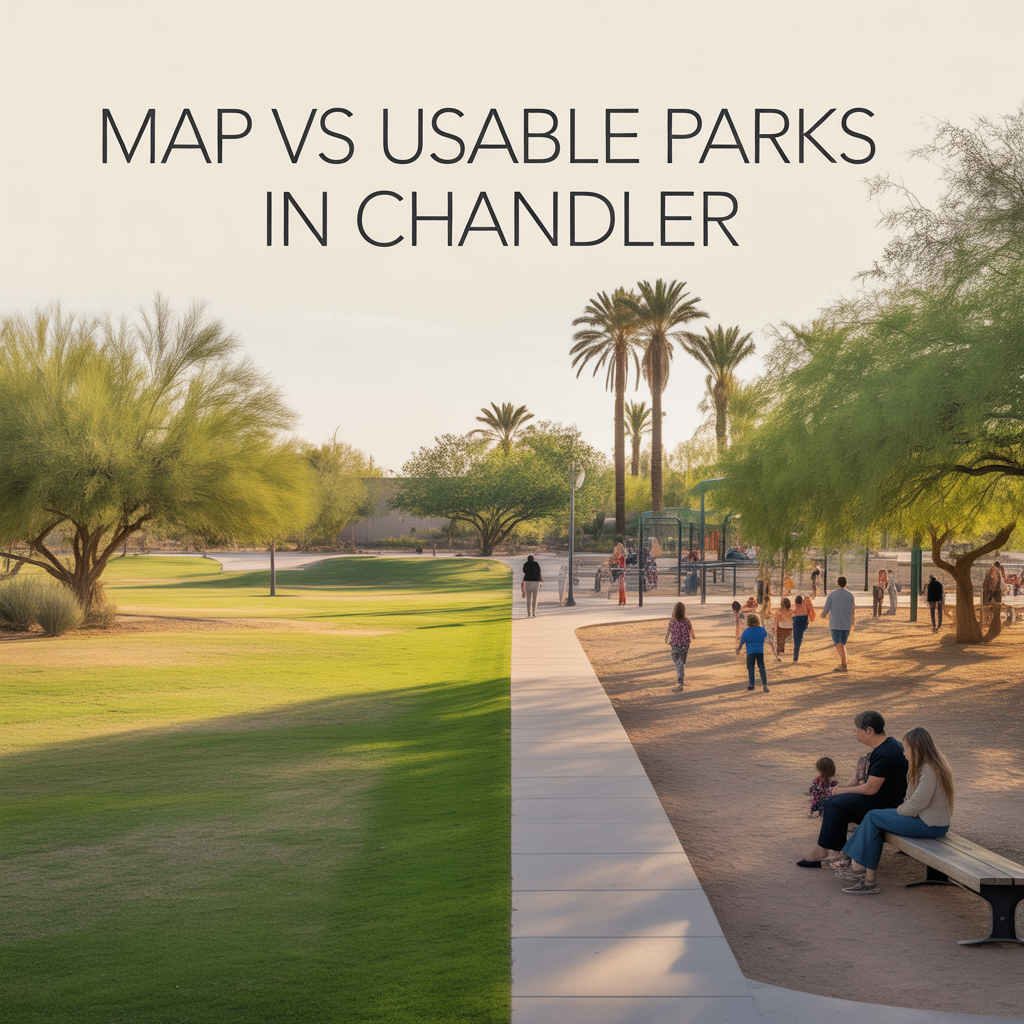
Map vs Usable Parks in Chandler
-

Weekly Go‑To Spots Around Chandler
-

Local‑Favorite Restaurants in Chandler
-

Hosting at Home vs Going Out Chandler
-

Family‑Friendly vs Nightlife Zones Chandler
-

How Late Chandler Areas Stay Active
-

Walkable Chandler Dining and Nightlife Pockets
-

Spontaneous vs Planned Dining in Chandler
-
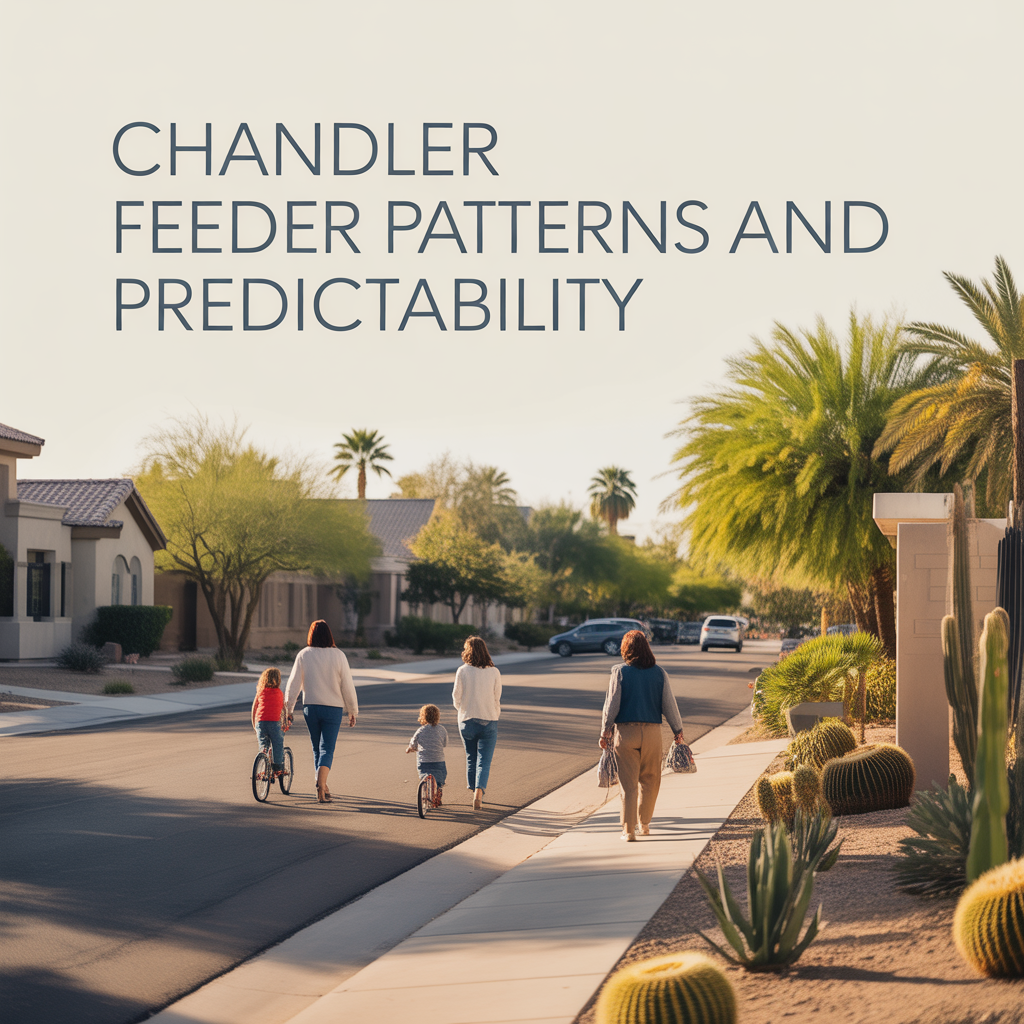
Chandler Feeder Patterns and Predictability
-
District vs Charter Tradeoffs in Chandler
-

Weekend Events Around Chandler Schools
-

After‑School Sports and Activities Chandler
-

Parent and Community Networks in Chandler
-

Family Morning and Evening Routines
-

School‑Day Traffic in Chandler
-

Heat and Microclimates in Chandler
-

Airport and Freeway Proximity Within the East Valley
-
Dining Density by Chandler Corridor
-

Real Outdoor Access by Chandler Area
-
Commute Corridors and Directions in Chandler