


Phoenix Lifestyle Guide → [Phoenix Lifestyle Guide] & For more info on Phoenix Real Estate → [Phoenix Real Estate Guide]
Written by: Renee Burke
There’s a rhythm to life in Phoenix that only locals truly understand. It’s not just the dry heat or the magic of a 70-degree January morning—it’s how we design our lives around light and shade, timing and temperature. We all learn, often the hard way, that shade is not a luxury here. It’s a form of currency, comfort, and protection rolled into one.
As someone who’s helped countless clients find their perfect home across the Valley, I can tell you that the conversation about shade and heat relief is as central to buying or selling in Phoenix as square footage or school districts. It’s part of what makes a home livable year-round—and even more importantly, what helps it hold value and age gracefully in this desert environment.
The Truth About Phoenix Heat
People moving here for the first time imagine the endless sunshine as a positive—and it is, but only when managed wisely. Summer heat in Phoenix is intense, prolonged, and deeply embedded in our lifestyle decisions. It influences everything from landscaping and exterior paint colors to commute choices and how neighborhood parks are used.
We regularly see temperatures topping 110°F for weeks at a time, and nighttime lows that don’t bring much relief. That’s why shade—whether from mature trees, patios, or well-placed rooflines—is one of the most valuable assets a home can offer. It’s also one of the most misunderstood aspects of real estate in our market.
Why Shade Matters More Than You Think
A shaded yard, a covered patio, or a simple line of mature trees doesn’t just make a home more pleasant—it can alter the microclimate around your property by several degrees. That thermal buffer reduces cooling costs, eases stress on your HVAC system, and adds manageable outdoor living space even in peak summer.
Shade also plays a quiet role in preserving your home’s exterior. Stucco fades slower, roof tiles last longer, and your outdoor furnishings don’t crack and bleach from relentless UV exposure. These are small savings that compound over time—especially important when you plan to stay in your home for the long haul.
Many Phoenix residents underestimate how much well-planned shade can transform daily life. The difference between a yard you use ten months a year and one you abandon every summer is often just a strategic combination of vegetation and architectural design.
Trees That Work (and Some That Don’t)
Not all shade trees are equal in the Sonoran Desert. Some offer dense, low canopies that create instant cooling but drink more water than most modern homeowners are comfortable with. Others grow fast but tend to shed, drop, or topple in monsoon winds. When helping buyers evaluate a property—or advising sellers on improvements—I always emphasize the right kind of shade.
A few proven local favorites include:
- Palo Verde: Arizona’s state tree, graceful and drought-tolerant, providing filtered golden light that complements native landscaping.
- Mesquite: Excellent for consistent shade with deep roots and durability; great for driveways, patios, and play areas.
- Desert Willow: Smaller canopy, stunning blooms, less aggressive root system—perfect for tighter yards or near patios.
- Chinese Pistache: Reliable canopy tree with vivid fall color, often found in established neighborhoods.
Avoid over-thirsty species like Ficus or non-native pines that can overwhelm your yard’s ecosystem and water supply. In today’s water-conscious Phoenix, native or desert-adapted shade trees are not just practical—they’re a mark of good stewardship and thoughtful design.
Shade and the Modern Phoenix Neighborhood
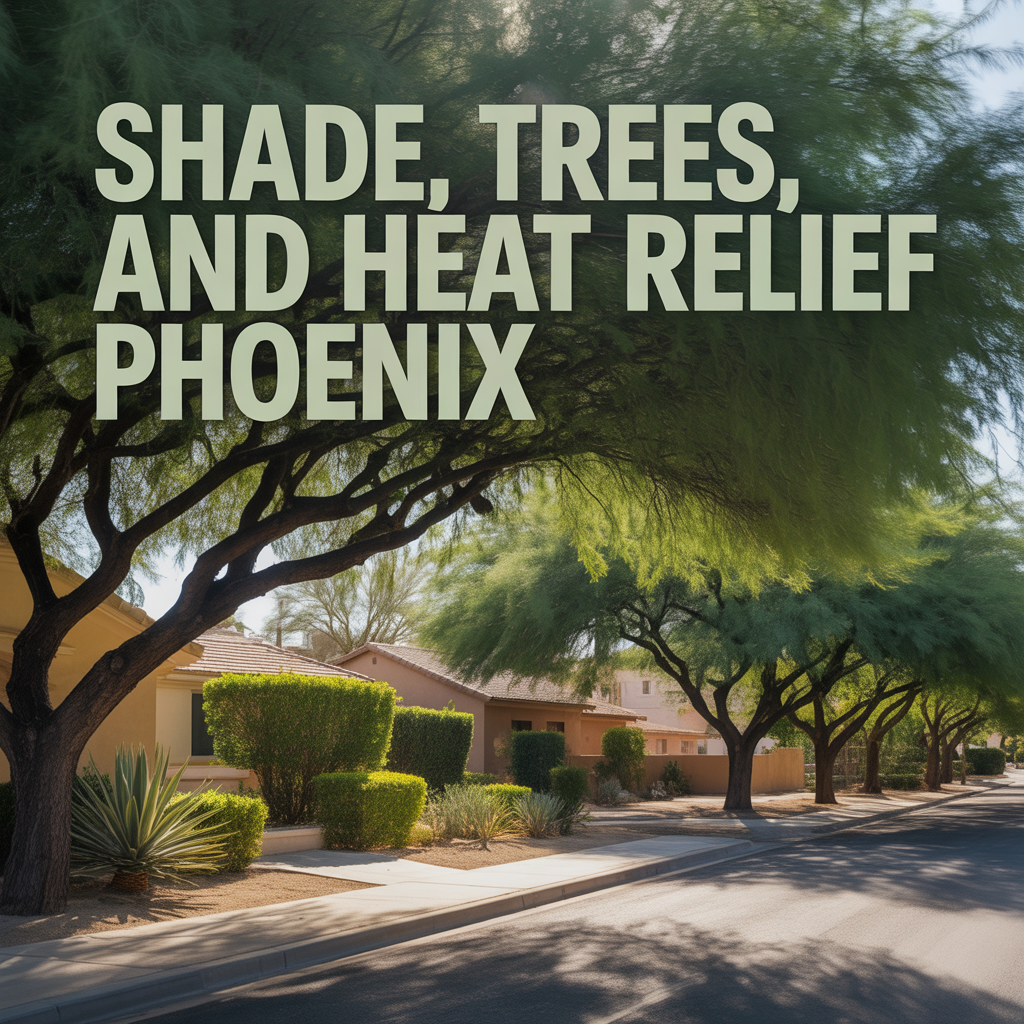
You can actually feel the difference between an older, tree-lined central Phoenix neighborhood and a newer community in the outer suburbs that’s still waiting for its landscape to mature. Established areas like Encanto-Palmcroft, Willo, or Tempe’s historic districts enjoy deep canopy streets where shade structures and mature growth define the ambience. Those tree-lined drives add not only comfort but significant character and resale appeal.
By contrast, newer master-planned communities in areas like Queen Creek, North Peoria, or Desert Ridge rely more heavily on architectural shading—covered patios, deep eaves, pergolas, and modern turf irrigation systems—to deliver cooling. These designs are beautiful and efficient, but they take time to build the same envelope of comfort mature trees provide.
For many buyers, it becomes a question of patience versus instant comfort: do you prefer a newer home with lower maintenance but less immediate shade, or an older home with an established canopy that shelters the house from the worst of the summer sun? There is no wrong answer—it’s about lifestyle priorities. My job is often to help buyers see how each property’s relationship to shade will feel three, five, or ten years down the line.
Architectural Shade: Thinking Beyond Trees
While trees do the heavy lifting outdoors, built shading elements complete the picture. Phoenix builders have long been creative about integrating heat management into design—though the best examples often go unnoticed.
Deep roof overhangs, recessed front entries, and covered patios are simple but powerful methods of reducing solar gain. North-facing patios give you all-day use; strategically placed vertical shade screens can make a west-facing patio surprisingly tolerable in July.
Even things like roof color, paint sheen, and window tinting contribute to overall shade performance. A “cool roof” reflects sunlight rather than absorbing it, cutting attic heat by double digits. Lighter exterior tones also help moderate interior temperatures without sacrificing style.
For homeowners without significant shade yet, even an attractive pergola or sail shade can make a back patio usable again—and provide a transitional space where you still feel connected to the outdoors.
Urban Heat Island Reality
The Phoenix metro area has one of the country’s most studied urban heat island effects—essentially when streets, roofs, and hardscapes trap and re-emit heat, keeping neighborhoods warmer well after sunset. That’s why you can step out on a July evening and feel a tangible difference between a neighborhood with mature trees and one dominated by concrete and stone.
Cities like Phoenix, Tempe, and Mesa have invested heavily in urban forestry and reflective surface programs for precisely this reason. A single large shade tree can lower nearby sidewalk temperatures by as much as 10–15 degrees. Multiply that by an entire street, and you’re looking at measurable comfort gains—not just for homeowners, but for the community at large.
As a homeowner or buyer, that means shade is both a personal amenity and a civic contribution. You’re not just cooling your backyard; you’re participating in the sustainability of your neighborhood’s environment.
Water Use and Sustainability
There’s a delicate balance in the desert between staying cool and staying sustainable. Many homeowners hesitate to invest in more greenery, fearing high water bills or feeling torn between conservation and comfort. The good news is, native trees are designed to thrive here with moderate water use once established.
A professional landscape designer familiar with desert planting principles can help create a low-water but high-impact shade layout. That might mean grouping plants by water needs, using efficient drip systems, or reusing graywater—all methods increasingly standard in Phoenix landscapes.
Remember, a well-shaded property almost always offsets part of its irrigation cost through lower electricity use and HVAC strain. Over years, these tradeoffs become both financially and environmentally sensible.
Buying and Selling with Shade in Mind
When touring homes in summer, your body tells you right away which properties get shade right. There’s that quiet sigh of relief when you step under a deep veranda or park on a tree-lined driveway. Sellers often overlook how profoundly this impression influences buyers—especially those new to Phoenix.
If you’re selling, trimming and highlighting your existing trees, refreshing gravel, and adding a shaded sitting area can make a measurable difference in perceived comfort and value. If you’re buying, don’t just look at what’s planted today; look for root space, irrigation setup, and where future shade can grow over time.
I often remind clients: homes here evolve. The canopy you plant this spring becomes a selling feature five or ten years from now. Thinking about shade early in your ownership pays off in both comfort and equity.
Phoenix Shade Is a Lifestyle Choice
Ultimately, managing shade in Phoenix isn’t about avoiding heat—it’s about reclaiming how we connect to outdoor life despite it. Some of the most beautiful mornings and evenings happen on shaded patios in midsummer, with the scent of creosote after a dust storm and the soft hum of misters on low.
When your home’s outdoor spaces are designed for respite, they become part of your daily rhythm—coffee before sunrise, dinner just after sundown, children playing in half-light rather than full glare. That’s when desert living stops being a test and starts becoming a joy.
A Neighbor’s Perspective
After years helping families find and refine their perfect desert retreat, I can say with confidence that shade isn’t an afterthought—it’s a sign of whether a home was truly designed for Phoenix. It shapes energy use, comfort, resale appeal, and everyday happiness.
If you’re thinking about making a move in the Phoenix metro area—or simply want to explore ways to make your existing home more livable through smart shade and landscape planning—you don’t have to figure it out alone. I’m always happy to share insights, connect you with trusted local experts, and help you understand how these details fit into your larger goals as a homeowner.
Reach out when you’re ready. We’ll walk through your options thoughtfully, at your pace, and make sure your next move—or your existing home—feels just right in the Arizona sun.
Get the full Phoenix Market Insights → [Market Insights]


-
Signs Your Phoenix Roof Needs Inspection or Repair
-
How Long Tile Roofs and Roof Underlayment Last in Phoenix
-
How Smart Thermostats Improve Cooling Efficiency in Arizona Homes
-
Why AC Systems Struggle During Extreme Phoenix Heat Waves
-
How Long Air Conditioning Units Last in Phoenix Homes
-

Warning Signs Your Air Conditioner Is About to Fail
-

How Often Phoenix AC Systems Need Maintenance
-
How Irrigation System Leaks Damage Foundations and Landscaping
-
Preventing Roof Damage Before Arizona Monsoon Storms
-
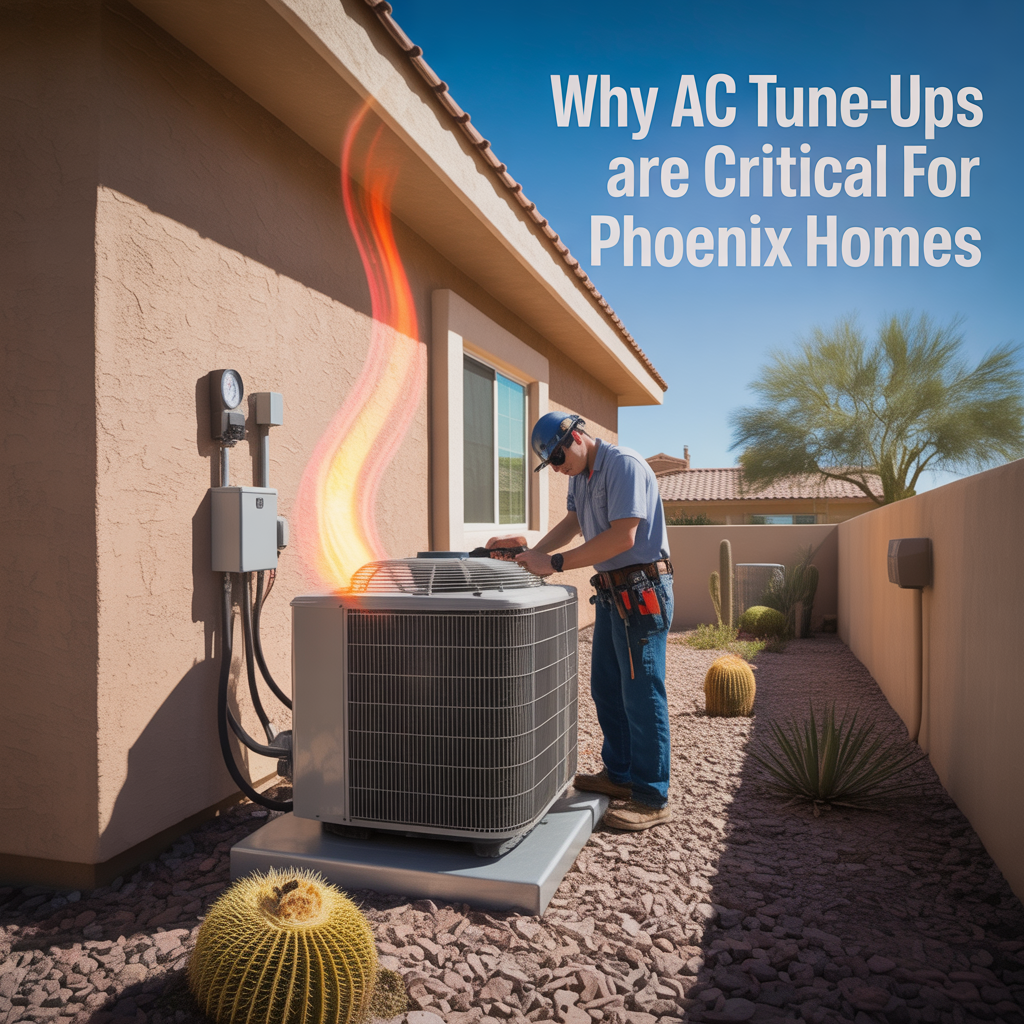
Why AC Tune-Ups Are Critical for Phoenix Homes
-
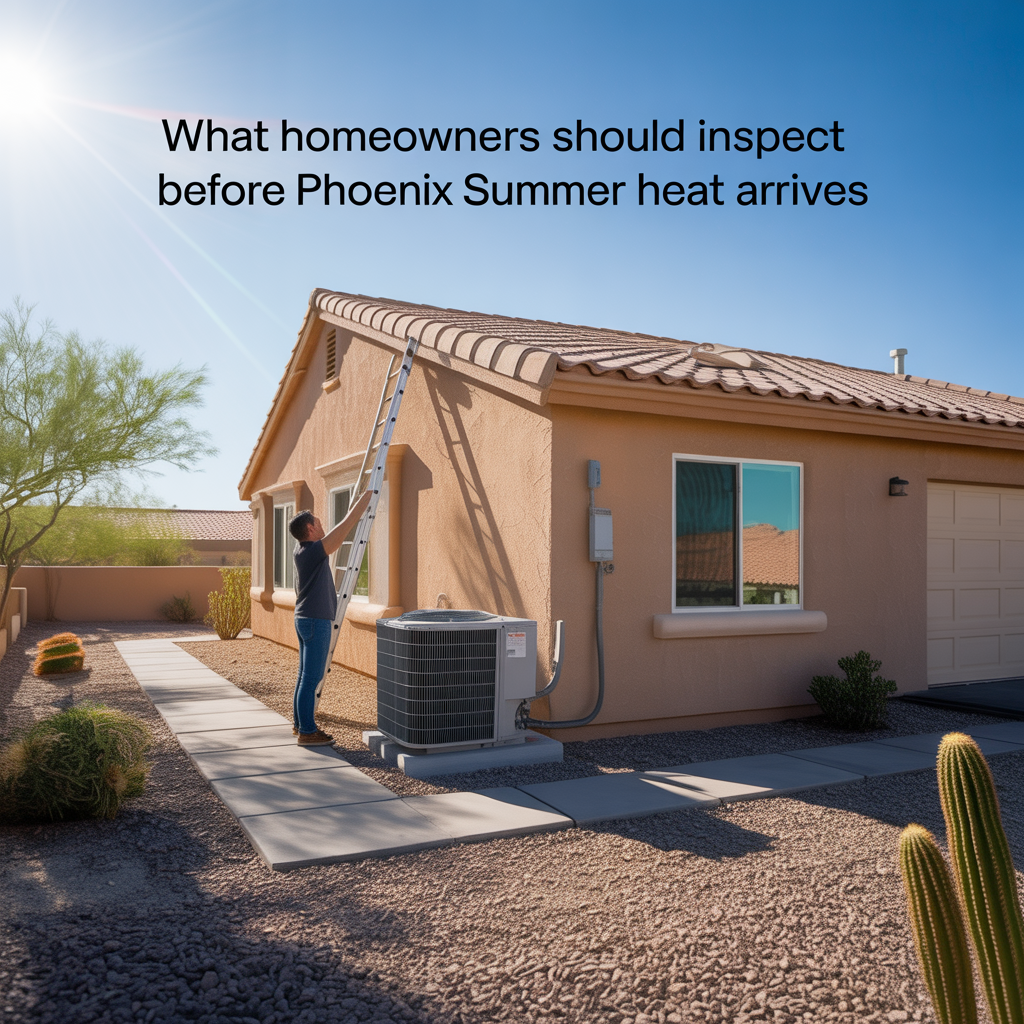
What Homeowners Should Inspect Before Phoenix Summer Heat Arrives
-
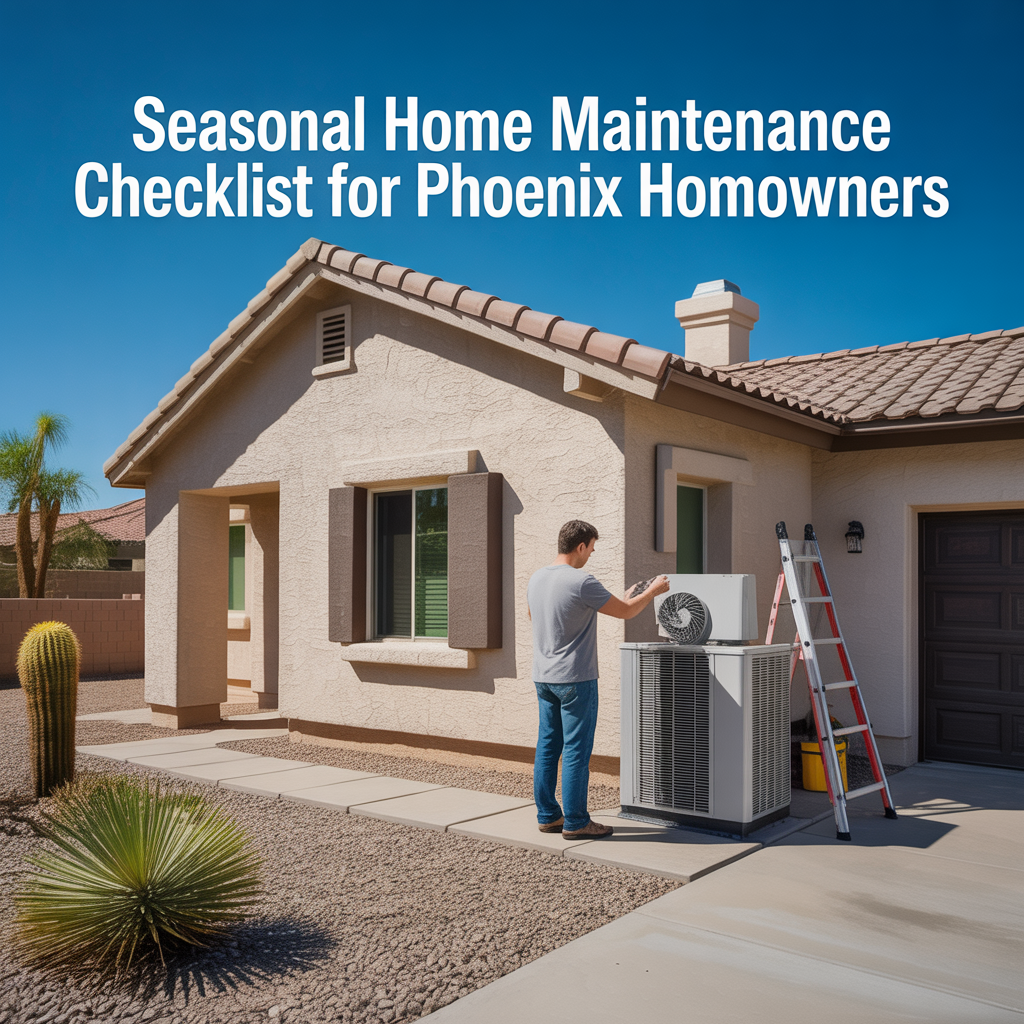
Seasonal Home Maintenance Checklist for Phoenix Homeowners
-
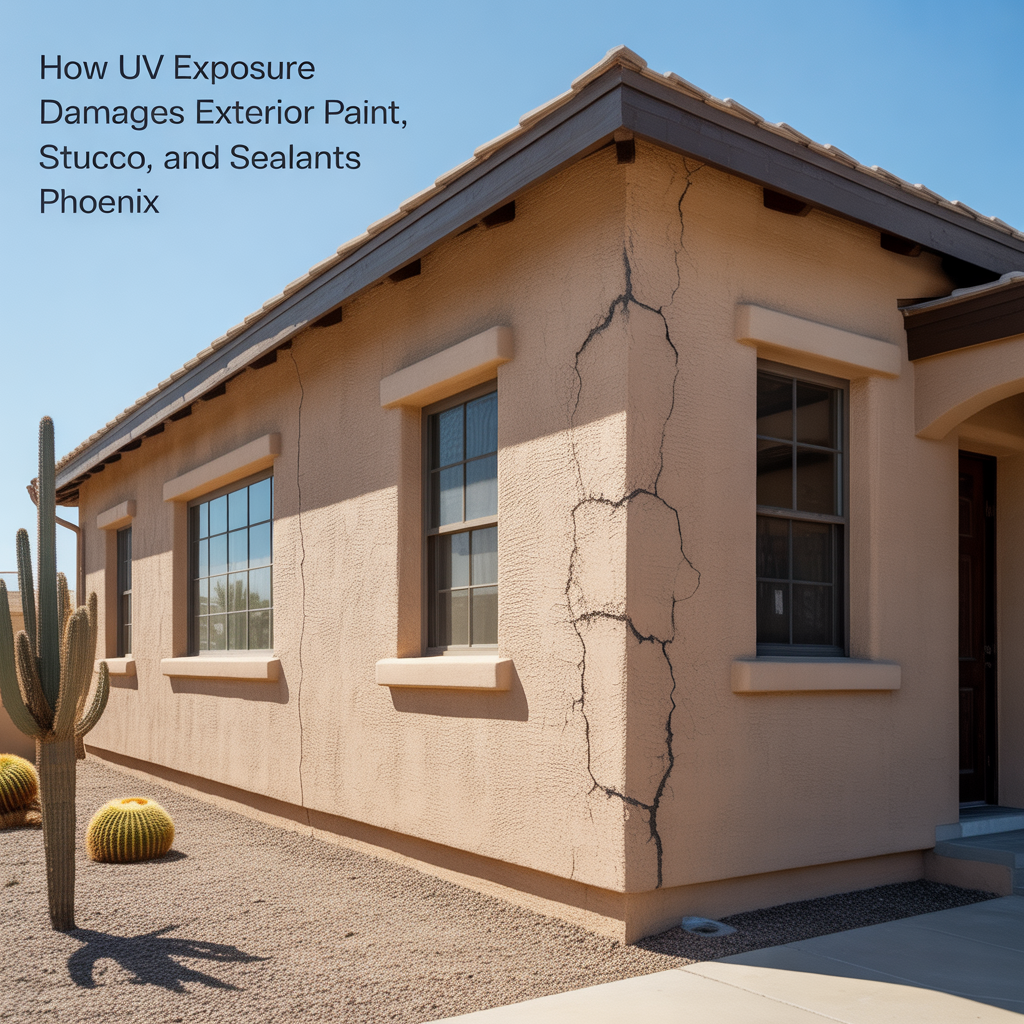
How UV Exposure Damages Exterior Paint, Stucco, and Sealants
-

How Extreme Heat Shortens the Lifespan of Home Systems
-
Why Phoenix Roofs Wear Out Faster Than Many Other Cities
-
How Long AC Units Typically Last in Phoenix Homes
-
Building a Long-Term Protection Strategy
-
How Small Repairs Prevent Larger Problems
-
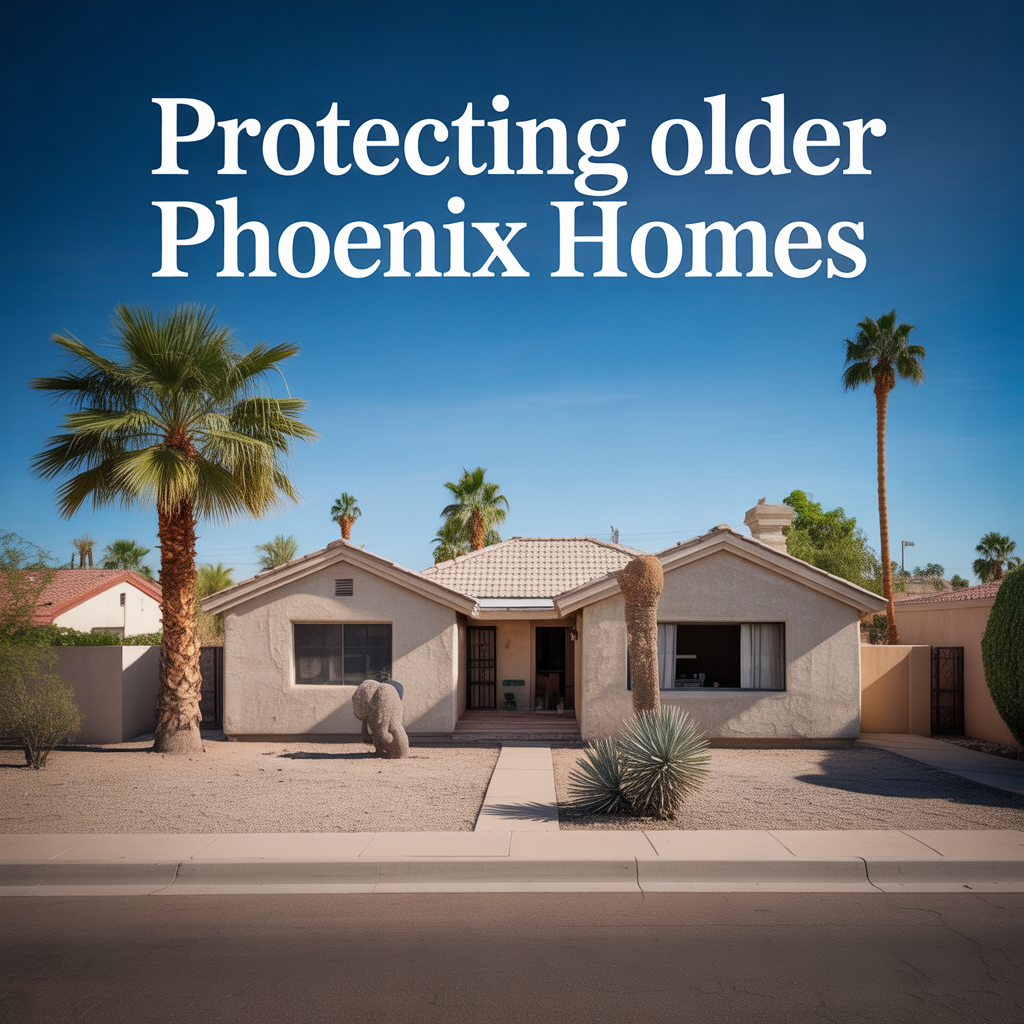
Protecting Older Phoenix Homes
-
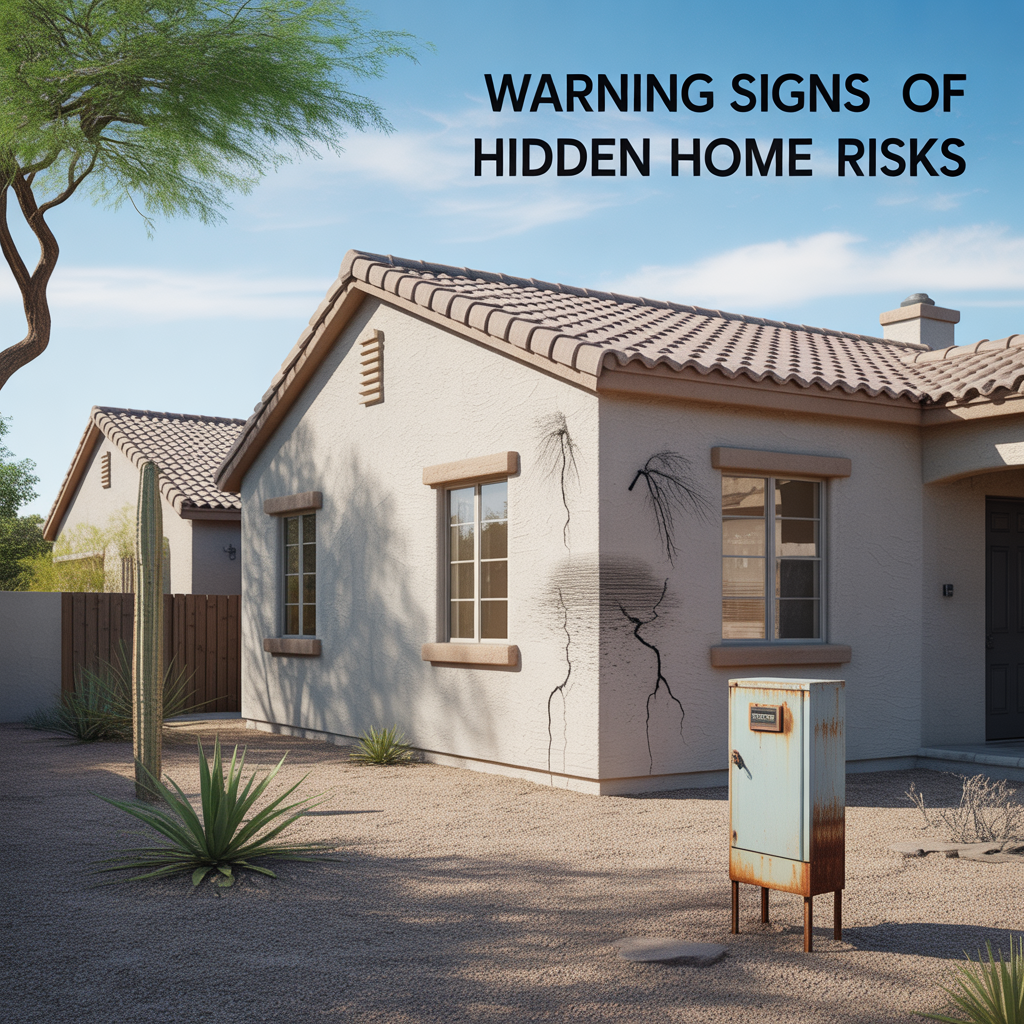
Warning Signs of Hidden Home Risks
-

Preventative Maintenance That Reduces Insurance Claims
-

Reducing Liability Exposure Around Your Property
-

Liability Coverage Limits Explained
-

When Umbrella Insurance Makes Sense
-

Protecting Yourself From Guest Injury Claims